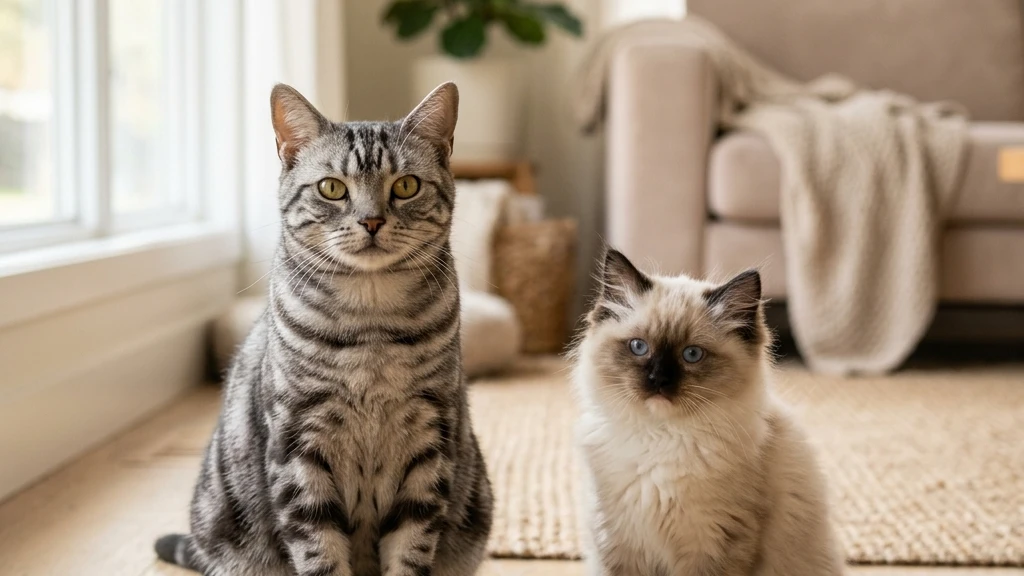
Why Do Cats Hide? (Real Reasons, Emotional Triggers & How to Help Your Cat Feel Safe)
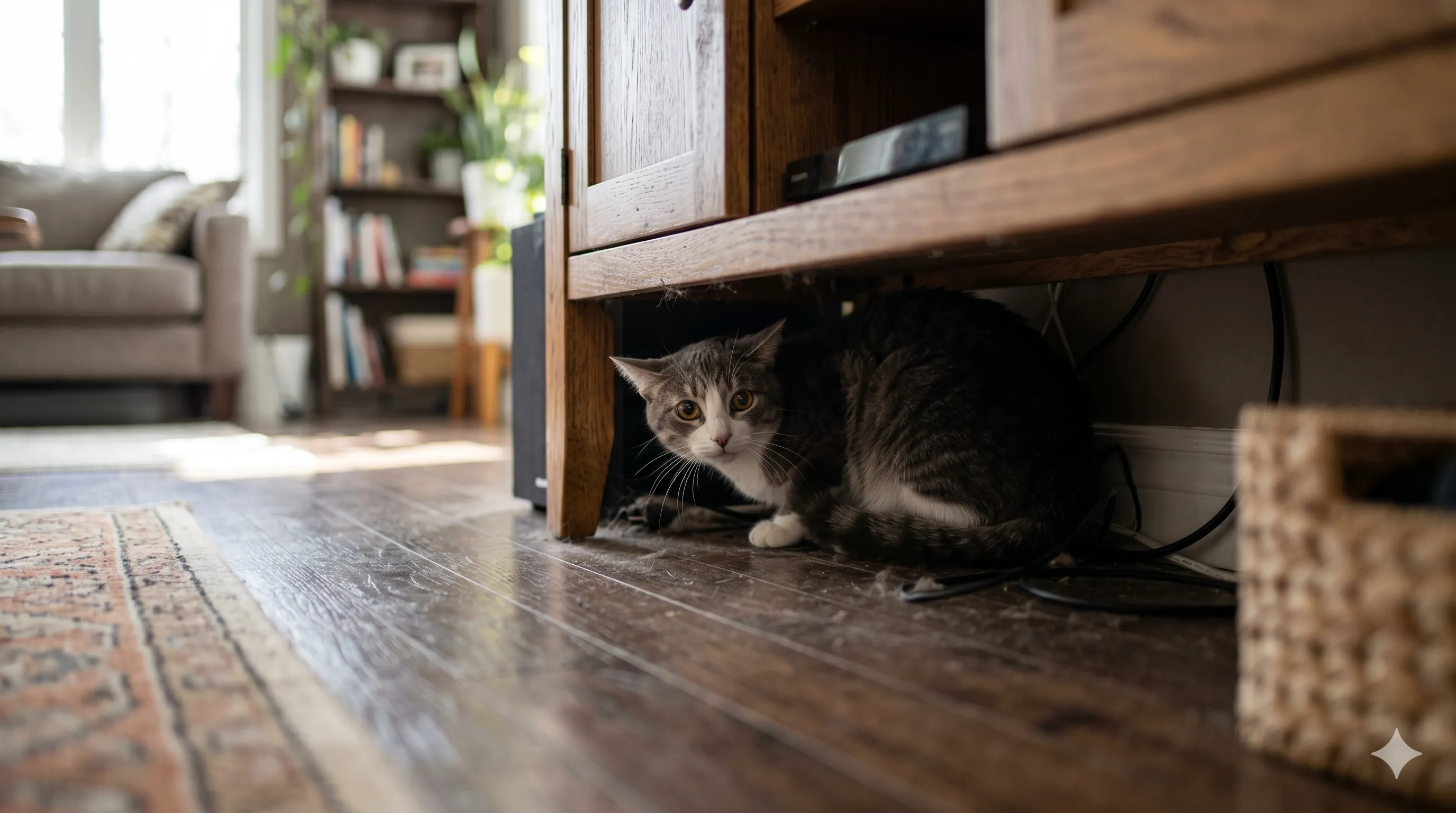
- Why Do Cats Hide? (Quick Answer)
- Cat Hiding Behavior Explained (Quick Guide)
- 7 Real Reasons Why Cats Hide
- 1. Natural Survival Instinct
- 2. Stress and Anxiety
- 3. New Environment Adjustment
- 4. Illness or Physical Discomfort
- 5. Need for Quiet and Alone Time
- 6. Overstimulation
- 7. Fear or Lack of Confidence
- Why Cats Love Small Hidden Spaces
- Normal vs Problematic Hiding
- When Should You Be Concerned?
- How to Help a Hiding Cat Feel Safe
- 1. Never Force Your Cat Out
- 2. Create Safe Hiding Spaces
- 3. Reduce Environmental Stress
- 4. Build Trust Slowly
- 5. Maintain Consistent Routines
- 6. Use Interactive Play to Build Confidence
- 7. Monitor Health Carefully
- How Long Does It Take a Hiding Cat to Adjust?
- Common Mistakes to Avoid
- Example Scenario
- Final Thoughts
Note: This article is for informational purposes only and does not replace professional veterinary advice.
You walk into the room, call your cat's name, and there's no response. After searching for a few minutes, you finally discover them tucked under the bed, hiding inside a closet, or squeezed behind furniture. If you've been wondering why do cats hide, you're definitely not alone. stress and anxiety-related nighttime meowing can often increase hiding behavior in cats
Hiding is one of the most common feline behaviors, and in many cases, it's completely normal. Cats are naturally cautious animals that instinctively seek enclosed, secure spaces where they can observe the environment without feeling exposed.
However, not all hiding behavior means the same thing. Sometimes your cat simply wants quiet time. Other times, hiding can signal stress, fear, overstimulation, emotional discomfort, or even illness.
The key is understanding the difference between healthy hiding and problematic hiding so you can respond the right way without creating additional stress.
Why Do Cats Hide? (Quick Answer)
Cats hide because it helps them feel safe, secure, and in control of their environment. Hiding may happen due to instinct, stress, fear, environmental changes, overstimulation, or illness.
In most cases, occasional hiding is completely normal feline behavior.
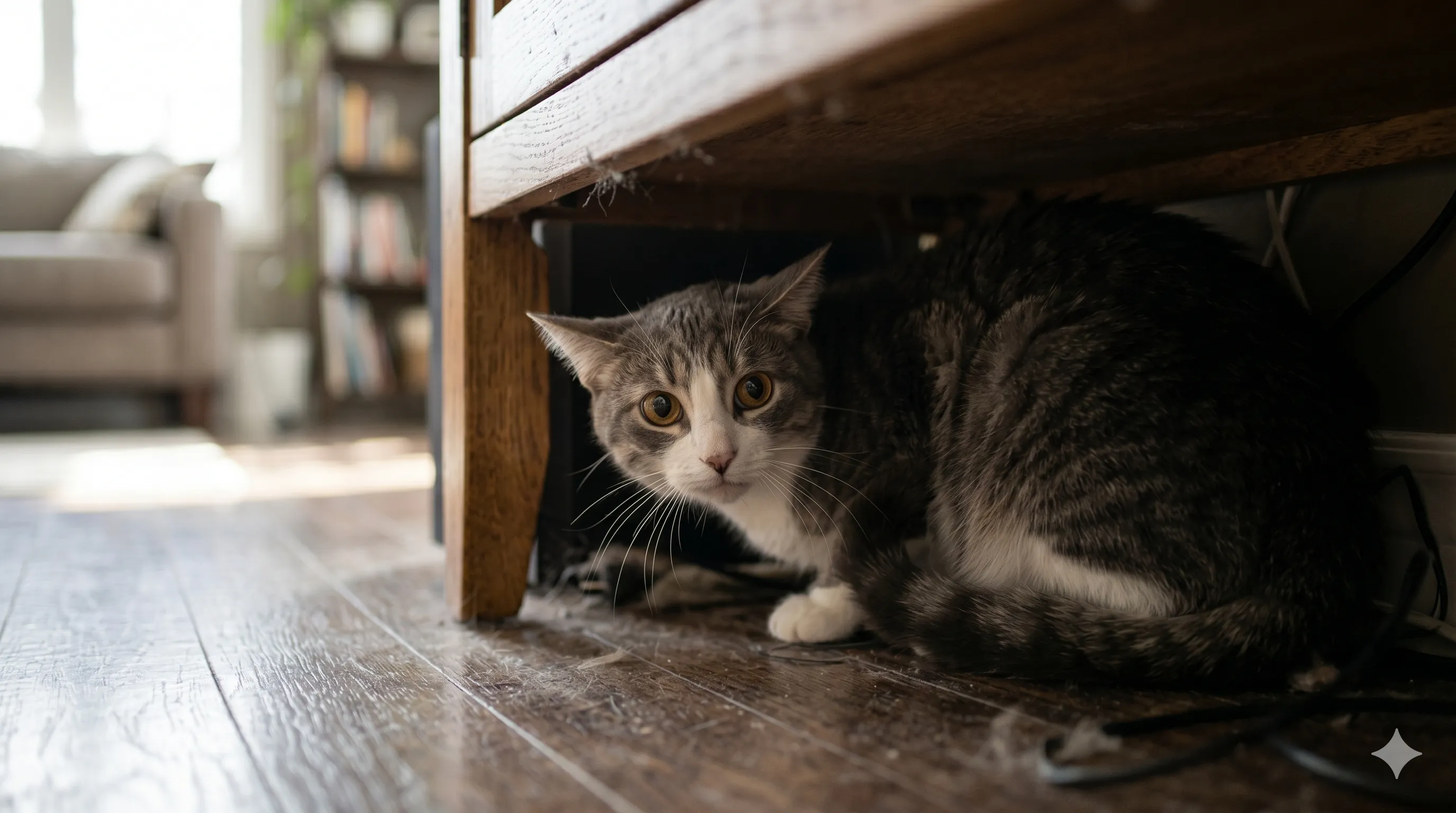
Cat Hiding Behavior Explained (Quick Guide)
| Situation | Likely Meaning | Normal or Concern? | Best Response |
|---|---|---|---|
| Hiding occasionally | Comfort and privacy | Normal | Allow safe space |
| Hiding from visitors | Stress or caution | Common | Reduce pressure |
| Sudden constant hiding | Stress or illness | Concerning | Monitor carefully |
| Hiding after moving homes | Environmental adjustment | Expected | Provide calm routine |
| Hiding with appetite loss | Possible health issue | Needs attention | Consult veterinarian |
This quick guide helps you identify whether your cat's hiding behavior is part of normal feline instincts or a sign that something deeper may be happening.

7 Real Reasons Why Cats Hide
1. Natural Survival Instinct
Cats are both predators and prey animals. Even domesticated cats still carry strong survival instincts inherited from their wild ancestors.
In nature, hiding protects cats from threats while allowing them to observe safely from a distance.
That instinct still exists inside your home.
Under beds, closets, boxes, and hidden corners simulate secure den-like environments that make cats feel protected.
2. Stress and Anxiety
Stress is one of the biggest reasons cats suddenly begin hiding.
Loud noises, unfamiliar people, home renovations, arguments, children, visitors, or routine disruptions can easily overwhelm sensitive cats. loud purring combined with hiding may sometimes signal emotional self-soothing behavior
Unlike humans or dogs, cats often respond to stress by withdrawing quietly instead of seeking reassurance openly.
3. New Environment Adjustment
Moving into a new home is extremely overwhelming for many cats.
Everything smells different, sounds different, and feels unfamiliar.
Hiding helps cats slowly process the environment while reducing anxiety.
This adjustment phase is especially common in newly adopted cats.
4. Illness or Physical Discomfort
Cats instinctively hide when they feel sick, weak, or vulnerable.
In the wild, showing weakness increases danger. As a result, many cats naturally isolate themselves when unwell. sudden hiding and behavior changes can sometimes be warning signs your cat may be sick
This is why sudden hiding combined with appetite loss, lethargy, or behavior changes should never be ignored.
5. Need for Quiet and Alone Time
Some cats simply enjoy solitude.
Just like humans, cats have different personalities and social limits.
Independent or introverted cats may hide simply because they want uninterrupted rest.
6. Overstimulation
Busy households, constant noise, multiple pets, or excessive interaction can overstimulate cats emotionally.
Hiding acts as a reset mechanism that allows the nervous system to calm down.
This is especially common in highly sensitive cats.
7. Fear or Lack of Confidence
Timid cats often hide when they feel uncertain or unsafe.
This may happen around strangers, dominant pets, loud children, or unfamiliar situations.
Fear-based hiding is usually paired with cautious body language and reduced interaction.
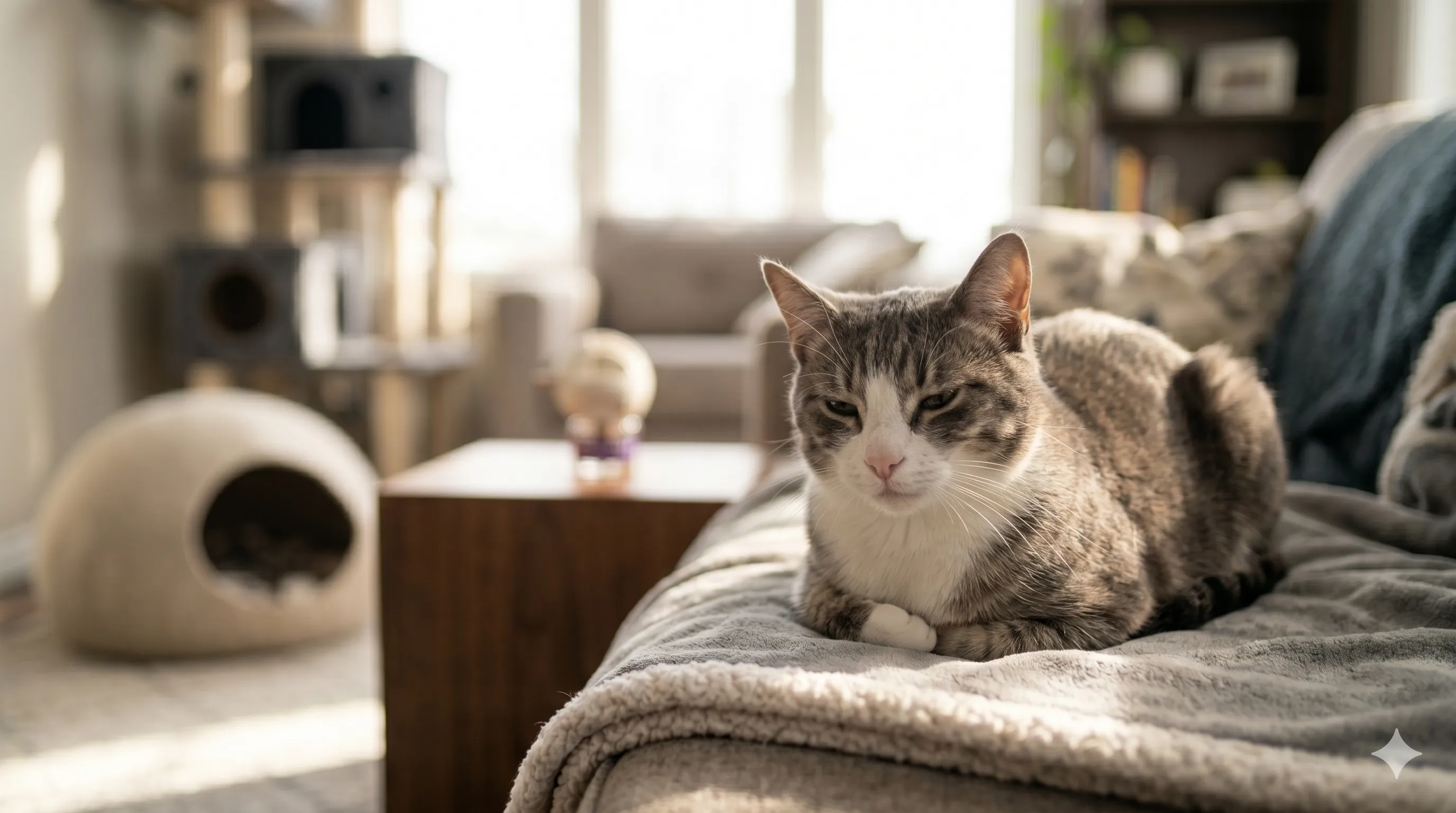
Why Cats Love Small Hidden Spaces
Cats naturally prefer enclosed spaces because they provide:
- Protection from perceived threats
- Better environmental control
- Reduced stimulation
- Warmth and comfort
- Observation without exposure
This explains why cats often choose boxes, shelves, closets, under-bed spaces, or covered furniture.
These spaces reduce anxiety and increase feelings of safety.
Normal vs Problematic Hiding
- Normal Hiding: Occasional hiding, relaxed behavior, comes out naturally, still eating and interacting normally
- Problematic Hiding: Constant hiding, avoiding food, sudden personality changes, fear, aggression, or lethargy
The biggest difference is whether your cat continues functioning normally outside the hiding behavior.
When Should You Be Concerned?
Although hiding is usually harmless, certain situations require closer attention.
- Sudden increase in hiding behavior
- Refusing food or water cats that hide and stop eating should always be monitored carefully
- Lethargy or weakness
- Aggression or unusual fear
- Hiding combined with weight loss
- Major personality changes
- Hiding after injury or illness symptoms
If these signs appear together, your cat may be experiencing emotional distress or a medical issue.
How to Help a Hiding Cat Feel Safe
1. Never Force Your Cat Out
This is one of the biggest mistakes owners make.
Pulling your cat out of hiding increases fear and damages trust.
Your cat needs to feel in control of when they emerge.
Forced interaction almost always worsens anxiety.
2. Create Safe Hiding Spaces
Instead of eliminating hiding spots completely, provide healthy safe zones.
Examples include:
- Covered cat beds
- Cat caves
- Quiet shelves
- Boxes with blankets
- Elevated resting areas
Safe spaces help cats regulate stress naturally.
3. Reduce Environmental Stress
Look for possible triggers inside the home.
These may include:
- Loud noises
- Frequent guests
- Other pets
- Construction sounds
- Routine disruptions
Small environmental changes can dramatically improve feline confidence.
4. Build Trust Slowly
Trust develops through calm, predictable interactions.
Use treats, gentle voice tones, slow movements, and patience.
Allow your cat to approach you voluntarily instead of forcing engagement.
5. Maintain Consistent Routines
Cats feel safest when life feels predictable.
Consistent feeding, playtime, sleep schedules, and interaction patterns reduce anxiety significantly. cats that feel emotionally secure are more likely to sleep comfortably near their owners
Routine helps nervous cats regain confidence faster.
6. Use Interactive Play to Build Confidence
Play helps cats release stress while building positive associations.
Interactive toys that trigger hunting instincts can increase confidence gradually.
Play is especially important for shy indoor cats.
7. Monitor Health Carefully
If your cat suddenly begins hiding excessively without clear environmental reasons, monitor for physical symptoms.
Cats are extremely skilled at masking pain and illness.
Behavior changes are often the first warning sign.
How Long Does It Take a Hiding Cat to Adjust?
This depends on:
- Personality
- Past experiences
- Environment
- Stress levels
- Presence of other pets
Some cats adjust within hours.
Others may require days or even weeks before feeling fully comfortable.
Patience is extremely important during this process.
Common Mistakes to Avoid
- Forcing interaction: Increases fear and anxiety
- Removing all hiding spots: Removes emotional security
- Ignoring behavior changes: May delay health detection
- Overstimulating the cat: Creates additional stress
- Punishing fearful behavior: Damages trust
Helping a hiding cat requires patience, observation, and emotional understanding not force.
Example Scenario
The scenario below is an illustrative example of how this situation can play out, not a documented case study.
A recently adopted rescue cat spent nearly a week hiding under a bed and refusing interaction.
The owner initially worried something was seriously wrong.
Instead of forcing contact, they created a calm routine, placed food nearby, reduced noise, and allowed the cat to observe safely.
After several days, the cat slowly began exploring the room, approaching voluntarily, and eventually becoming affectionate and confident.
The hiding behavior disappeared naturally once safety and trust were established.
Final Thoughts
Understanding why do cats hide helps you interpret feline behavior much more accurately.
In most cases, hiding is not bad behavior it's a natural emotional coping mechanism that helps cats feel safe and secure.
The goal is not to eliminate hiding completely but to create an environment where your cat feels confident enough to relax and emerge naturally.
Patience, routine, trust, and a calm environment are the real keys to helping a hiding cat feel safe.
This content is written to provide general educational guidance for cat owners and is not a substitute for professional veterinary advice.
Medical Disclaimer
This content is provided for informational and educational purposes only and should not be considered veterinary, medical, behavioral, or training advice. While we strive for accuracy, we make no guarantees regarding completeness or results. Always consult a licensed veterinarian or qualified pet care professional before making decisions about your pet’s health, diet, or behavior.
AI Illustration Notice
Some images in this article may have been generated or enhanced using artificial intelligence for illustrative purposes.
Frequently Asked Questions
Cats hide because it helps them feel safe, secure, and protected from stress or overstimulation.
Yes, occasional hiding is completely normal feline behavior.
You should worry if hiding suddenly increases or happens alongside appetite loss, lethargy, or unusual behavior changes.
Sudden hiding is often caused by stress, environmental changes, fear, illness, or emotional discomfort.
No, forcing your cat out of hiding usually increases fear and damages trust.
Provide safe spaces, maintain routines, reduce stress, and allow your cat to approach voluntarily.
Yes, stress is one of the most common reasons cats begin hiding more frequently.
Editorial Note
This article is part of PetNurture's educational library.
Topics draw on publicly available educational resources, recognised veterinary organisations, academic publications and established animal welfare references where appropriate.
The specific sources this article draws on are listed in its References section. If you spot an error, please let us know.
References
The information in this article has been reviewed and supported using the following sources.
VCA Animal Hospitals
Recognizing the Signs of Illness in Cats
VCA Animal Hospitals notes that cats have evolved to hide signs of illness and pain, so a cat that becomes quiet and withdrawn may be showing the only early sign of an underlying health problem.
Accessed Aug 6, 2026
VCA Animal Hospitals
VCA Animal Hospitals lists hiding, along with avoiding interaction and refusing treats, among the subtle signs of fear, anxiety and stress in cats.
Accessed Aug 6, 2026
Pet Emergency Guidance
Every pet is unique. If your pet exhibits severe symptoms, sudden behavioral changes, or a medical emergency, do not rely on online guides — contact a licensed veterinarian or emergency clinic immediately.
About PetNurture
PetNurture is an educational library of pet care guides, interactive tools and practical resources for pet parents. We work continuously to keep our content accurate and up to date. Reader feedback helps us maintain content quality.
Related Articles


Popular Cat Guides
Cat
Cat Feeding Calculator
Calculate how much food your cat needs daily based on weight, age, and activity level.