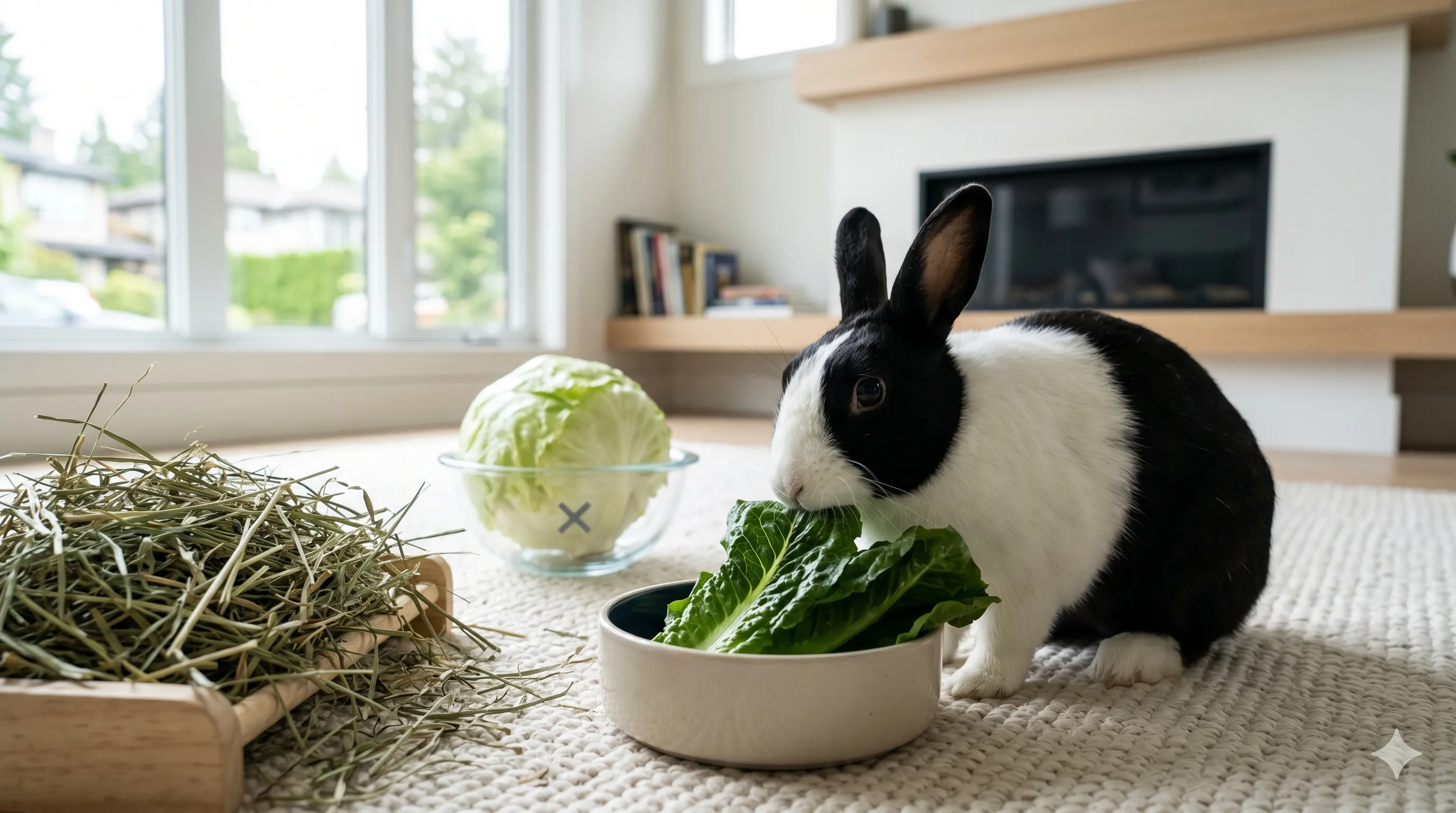
Is it safe for my rabbit?

Search our database of 100+ foods to instantly find out what's safe, toxic, or an occasional treat.

Emergency Note: Results are estimates only. If you suspect your rabbit has ingested a toxic substance, contact a veterinarian immediately.
Loading food database...
Quick Answer

Whether a food is safe for rabbits depends entirely on the specific food — this tool searches a database of nearly 100 foods and plants, each labeled Safe, Occasionally, or Unsafe. Rabbits have a highly specialized fiber-based digestive system, so even "safe" fruits and vegetables should stay occasional treats, not daily staples.

How This Tool Works

Search or filter by category to look up a specific food or plant and see its safety status.

  1. You search for a food by name, or browse by category (vegetables, fruits, herbs, or unsafe foods) or alphabetically.
  2. The tool looks up that food in a maintained reference database, where each entry is labeled Safe, Occasionally, or Unsafe.
  3. You see the food's status along with an explanation and any specific warnings to watch for.

Rabbit Safe Foods Guide

A rabbit's digestive system is incredibly specialized and fragile. They are obligate herbivores designed to constantly graze on tough, fibrous plant matter.

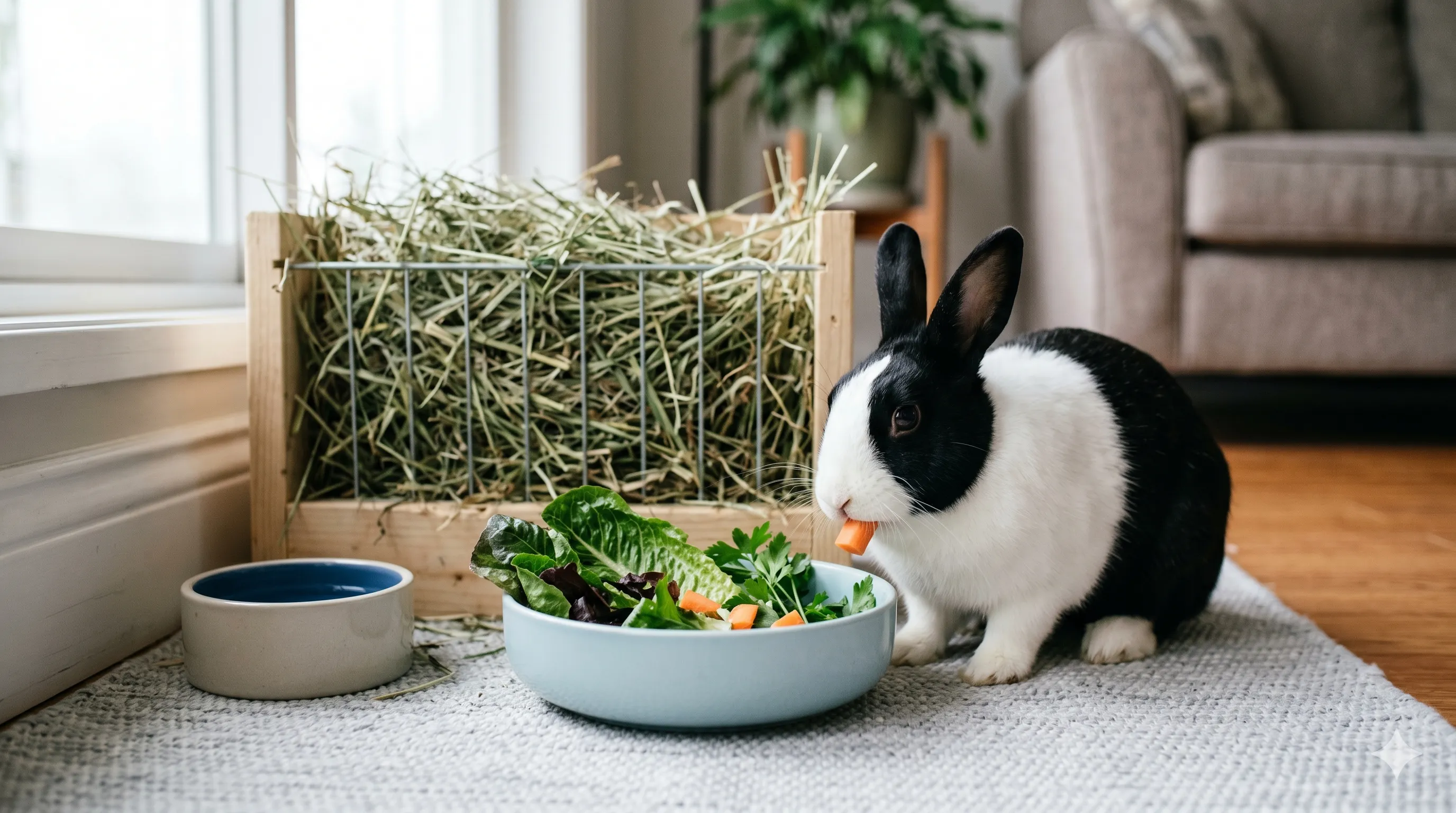
  • Hay is #1: 80% of their diet should be fresh, unlimited grass hay (Timothy or Orchard) to keep their gut moving and teeth worn down.
  • Leafy Greens: 10-15% should be a daily variety of safe leafy greens (like romaine, cilantro, and parsley).
  • Pellets & Treats: Only 5% should consist of high-quality timothy pellets and occasional fruit treats.

⚠️ Toxic Foods for Rabbits

Never feed your rabbit the following items; many are highly toxic or cause lethal blockages:

  • Allium Family: Onions, garlic, chives, leeks
  • Iceberg Lettuce: Causes severe diarrhea
  • Human Junk Food: Bread, crackers, cookies, cereal
  • Seeds & Nuts: Too high in fat, severe blockage risk
  • Chocolate & Avocado: Poisonous
  • Dairy & Meat: Rabbits cannot digest animal protein or lactose

How Results Are Estimated

Unlike the feeding calculator elsewhere on this site, this tool doesn't compute a formula — each food's status comes from a maintained reference database, informed by commonly cited rabbit-nutrition and toxicology guidance.

Even foods rated Safe or Occasionally should be introduced gradually, since rabbits are especially prone to digestive upset from sudden dietary changes.

Status categories: Safe — generally fine as a regular part of a varied diet, in appropriate amounts Occasionally — safe only as an occasional treat, typically 1-2 times per week Unsafe — known or suspected toxic risk; avoid entirely

Important Limitations

This tool provides an estimate, not a diagnosis. Keep these limitations in mind when reading your result:

  • This tool covers a fixed list of common foods and plants — if something isn't listed, that doesn't mean it's safe.
  • Rabbits have a highly specialized, fiber-dependent digestive system; many foods that are harmless to humans or other pets can cause serious digestive upset.
  • "Safe" and "Occasionally" classifications assume small amounts alongside a hay-based diet, not as a substitute for it.
  • This tool does not know how much your rabbit actually ate or assess symptoms — it cannot diagnose gastrointestinal stasis or poisoning.
  • If you suspect your rabbit has eaten something toxic, or shows drooling, lethargy, or reduced appetite, don't rely on this tool alone — contact a rabbit-savvy veterinarian immediately.

Example Calculation

How a search for "iceberg lettuce" resolves to an Unsafe result.

  1. You type "iceberg lettuce" into the search bar, or browse to the Unsafe Foods category filter.
  2. The tool matches your search against the food database and finds the "Iceberg Lettuce" entry.
  3. That entry is labeled Unsafe, with an explanation of why (it contains lactucarium and can cause severe diarrhea) and guidance to choose a safer leafy green instead.
Example result: iceberg lettuce is classified Unsafe — safer daily greens like romaine or leaf lettuce should be used instead.

Frequently Asked Questions

Several common human foods and plants are highly toxic to rabbits. Never feed them chocolate, avocado, allium family (onions, garlic, chives), iceberg lettuce (contains lactucarium and causes severe diarrhea), seeds, nuts, or any meat/dairy products.

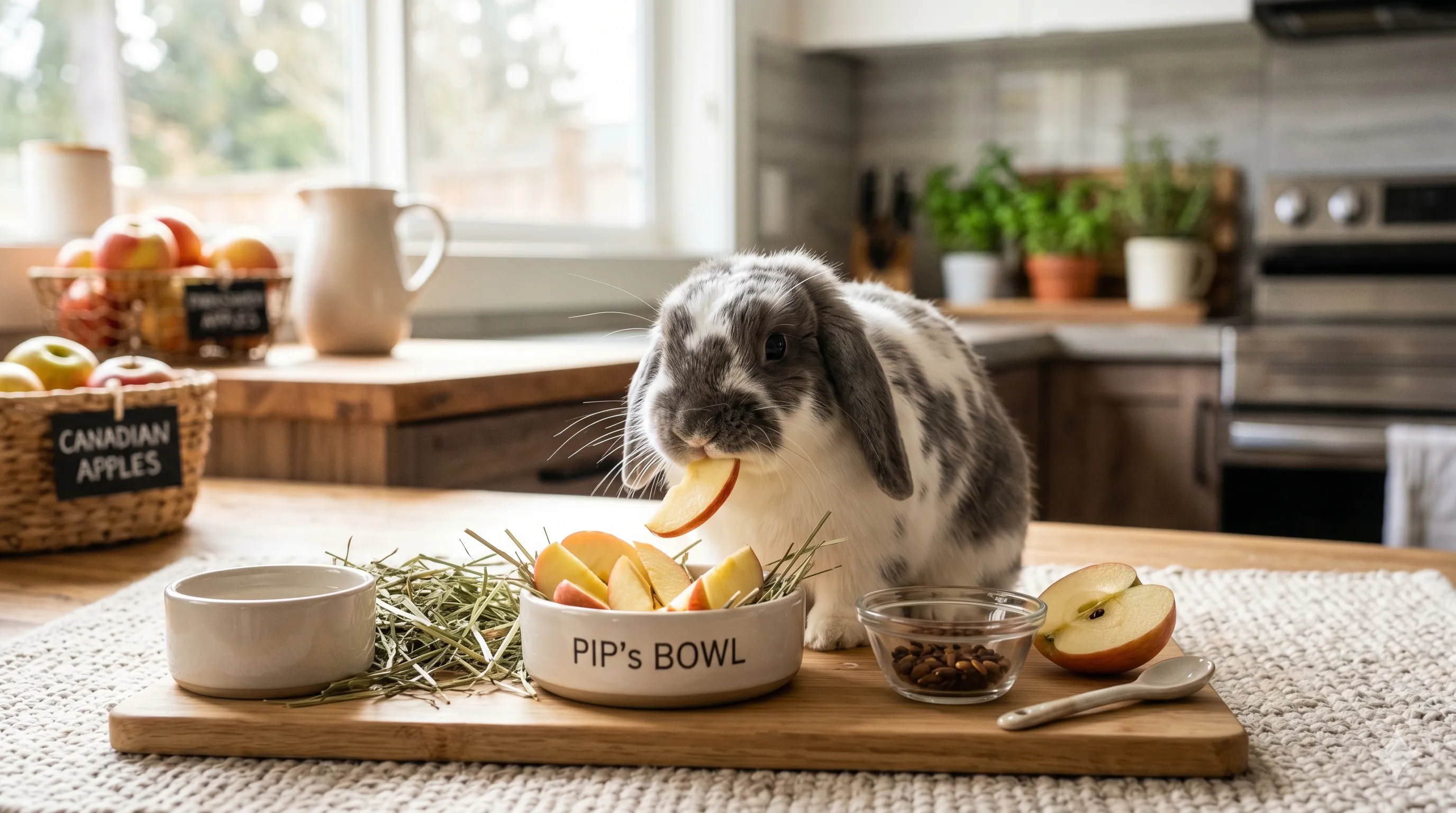
No. Fruits are very high in sugar and should be treated as occasional treats, not a daily staple. Offer no more than 1-2 tablespoons of safe fruit (like apple, banana, or berries) 1-2 times per week to prevent obesity and severe digestive upset.

Yes, but only in moderation. Despite popular media showing rabbits constantly eating carrots, they are actually very high in sugar and calcium. Carrots should be treated as a treat, just like fruit. The green carrot tops, however, are an excellent leafy green that can be fed regularly.

Avoid muesli-style rabbit mixes, human junk food (bread, crackers, cereal), seeds, nuts, and high-starch vegetables like corn or potatoes. Rabbits have highly specialized digestive systems that require high fiber and cannot process complex carbohydrates or sugars well.

Yes, rabbits love bananas, but they are very high in sugar. You can give a thin slice of banana as a rare treat (1-2 times a week max). Do not overfeed, as they can quickly become addicted to the sugar and refuse their healthy hay.

Yes, strawberries are safe for rabbits in very small amounts as an occasional treat - a single strawberry or two small slices once or twice a week. They are high in sugar and should never be a regular part of the diet. The green strawberry tops are actually the safer part and can be offered more freely as a leafy green addition.

The safest, most nutritious greens for daily feeding include romaine lettuce, green leaf lettuce, red leaf lettuce, cilantro, parsley, dill, basil, arugula, and bok choy. Aim for a daily mix of 3 different greens to provide variety. Avoid iceberg lettuce (too watery, little nutritional value), and feed high-calcium greens like kale and spinach only once or twice a week at most.

No - but many common garden plants are indeed toxic to rabbits, including foxglove, rhubarb leaves, lily of the valley, daffodils, tulips, and most nightshade plants. Rabbits in outdoor enclosures must be carefully protected from garden access. If your rabbit has eaten an unknown plant and shows signs of drooling, lethargy, or GI distress, contact a rabbit-savvy vet immediately.

References

General public resources referenced while researching this tool's topic.

Editorial Note

This tool is part of PetNurture's educational library. Its formulas and guidance are researched using publicly available educational resources, recognised veterinary organisations, and established animal welfare references where appropriate — see the References section below for the specific sources used on this page.

It is reviewed by the PetNurture editorial team for clarity and accuracy, but it is not a substitute for advice, diagnosis, or treatment from a qualified veterinarian. Content reviewed: August 2026.

Important Safety Notice

Last updated: August 2026

This tool is intended for educational purposes only and should not be used as a substitute for emergency veterinary advice, diagnosis, or treatment.

If your pet may have consumed toxic foods, chocolate, medications, chemicals, or other dangerous substances, seek immediate help from a licensed veterinarian or emergency animal service in your area. Do not delay professional care based on calculator or search results alone.

US pet poison hotlines (24/7): ASPCA Animal Poison Control Center: (888) 426-4435  ·  Pet Poison Helpline: (855) 764-7661
A consultation fee may apply to both services. Outside the US, use local emergency veterinary directories.

How we calculate results: This tool uses commonly referenced veterinary toxicity thresholds and food safety guidelines. Actual toxicity can vary based on your pet's size, health status, and exact substance consumed. These results are estimates only and do not replace a veterinary assessment.
AI Overview & Key Facts

  • Purpose: Food safety lookup to help pet owners quickly check whether a specific food is safe for rabbits.
  • Input Parameters: Food name or category.
  • Reference Guidelines: Classifications are informed by general public guidance from sources such as the House Rabbit Society and RWAF.
  • Liability Limitation: Educational reference only, not a diagnosis. Any suspected toxic ingestion requires immediate veterinary contact.