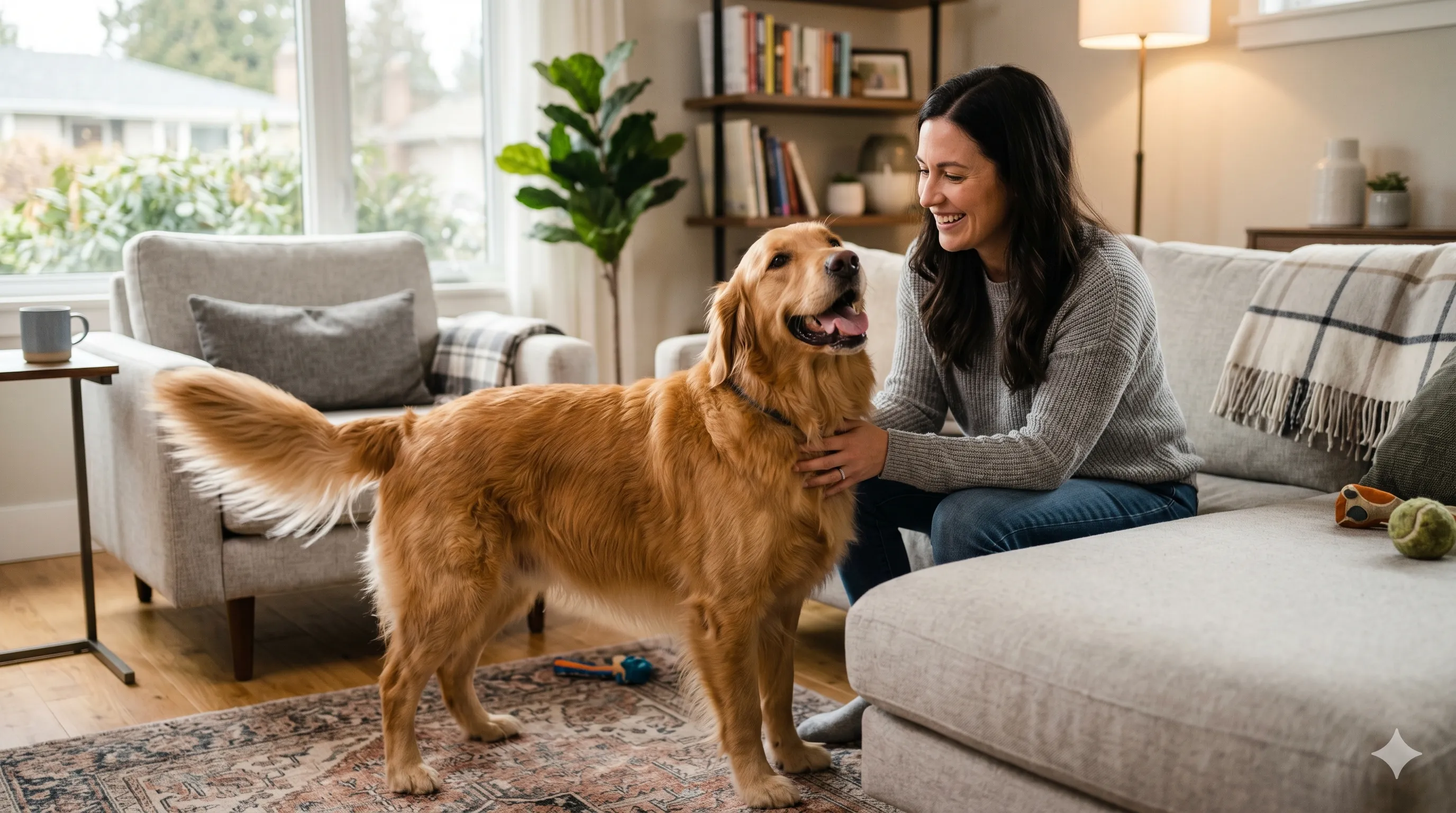
Why Do Dogs Tilt Their Head? (Real Meaning, Emotional Signals & When to Worry)
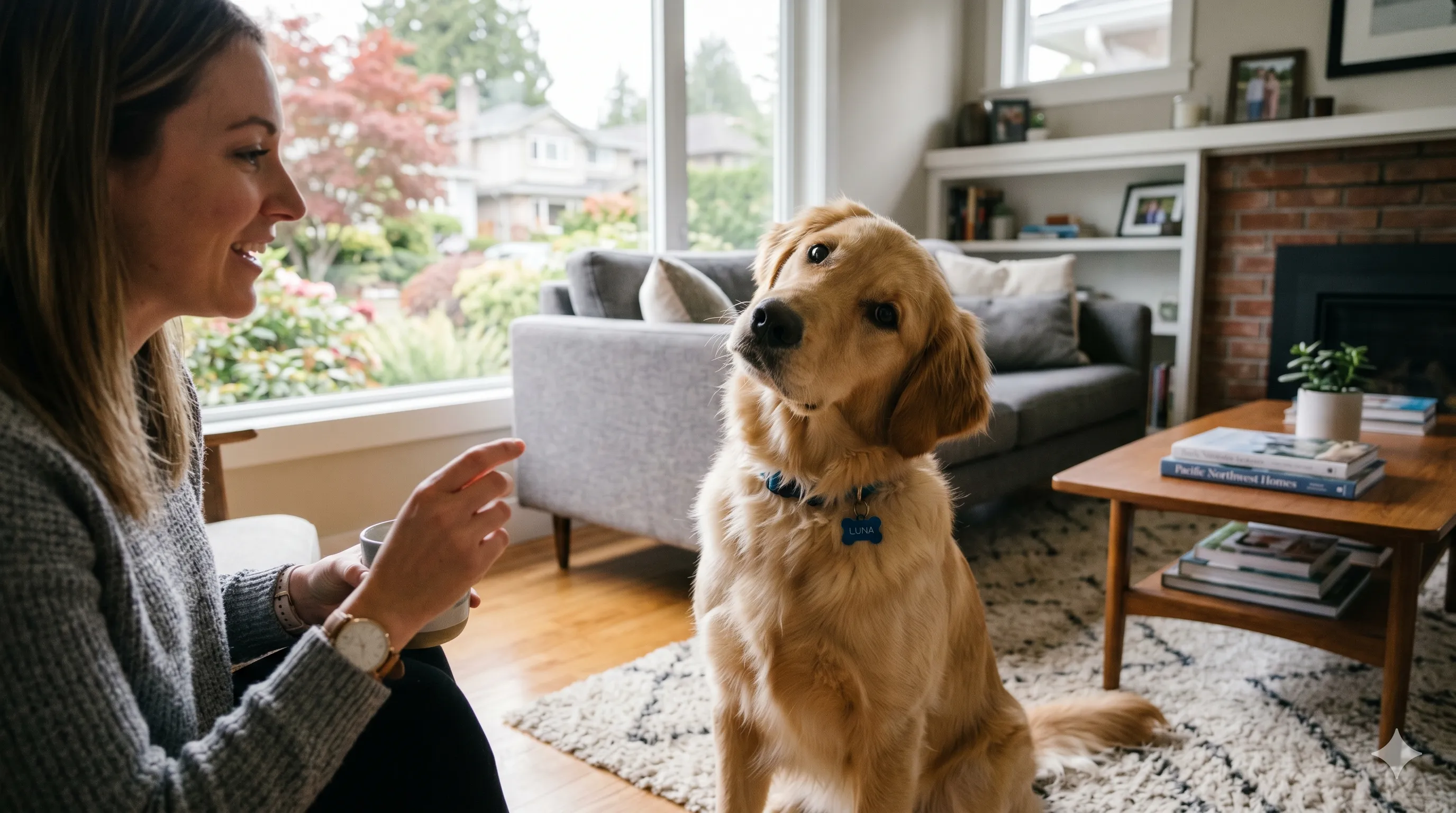
- Why Do Dogs Tilt Their Head? (Quick Answer)
- Dog Head Tilt Meaning (Quick Guide)
- Why Dogs Tilt Their Heads So Often
- 7 Real Reasons Why Dogs Tilt Their Head
- 1. Trying to Understand Human Speech
- 2. Improving Hearing Direction
- 3. Improving Visual Perspective
- 4. Emotional Engagement and Bonding
- 5. Learned Attention-Seeking Behavior
- 6. Processing Emotional Tone
- 7. Possible Health or Ear Problems
- Normal vs Problematic Head Tilting
- When Should You Be Concerned?
- How to Respond Correctly
- 1. Encourage Healthy Communication
- 2. Observe Behavioral Patterns
- 3. Avoid Overreacting
- 4. Maintain Proper Ear Care
- 5. Improve Mental Stimulation
- 6. Reinforce Calm Attention
- Common Mistakes Owners Make
- Example Scenario
- Final Thoughts
Note: This article is for informational purposes only and does not replace professional veterinary advice.
You say your dog's name, ask a question, or make an unusual sound and suddenly they tilt their head while staring directly at you. It's one of the most recognizable dog behaviors and one that instantly grabs attention. Naturally, many owners start wondering: why do dogs tilt their head? dogs often tilt their heads more around owners they feel emotionally connected to
Although the behavior looks adorable, there is actually a fascinating mix of communication, instinct, hearing, emotional processing, and learned behavior happening behind the scenes.
Dogs use head tilting to better understand sounds, focus on human communication, and interpret emotional signals. In many cases, it shows curiosity, attentiveness, and bonding. However, certain forms of persistent head tilting can also point toward ear problems, discomfort, or neurological concerns.
The important part is learning the difference between healthy communication behavior and signs that may require medical attention.
This guide explains the real reasons dogs tilt their heads, what it means emotionally, when owners should pay closer attention, and how to respond correctly.
Why Do Dogs Tilt Their Head? (Quick Answer)
Dogs tilt their heads to better understand sounds, focus on voices, improve hearing direction, and process emotional communication. Most head tilting is completely normal and usually signals curiosity, attentiveness, or emotional connection with humans.
Occasional head tilting during interaction is often a positive sign that your dog is engaged and paying close attention.

Dog Head Tilt Meaning (Quick Guide)
| Situation | Likely Meaning | Normal or Concern? | Recommended Response |
|---|---|---|---|
| Tilting during conversation | Trying to understand speech | Normal | Engage calmly |
| Tilting at unusual sounds | Sound focus and curiosity | Normal | Observe behavior |
| Tilting during training | Attention and concentration | Normal | Reward focus |
| Constant one-sided tilt | Possible health issue | Concerning | Consult veterinarian |
Why Dogs Tilt Their Heads So Often
Dogs experience the world very differently than humans. While people rely heavily on spoken language, dogs depend more on sound patterns, body language, tone, facial expression, and environmental awareness.
Head tilting appears to help dogs process some of this information more effectively.
Research into canine cognition suggests dogs are highly responsive to emotional tone and familiar words. This may explain why head tilting commonly happens during conversation, training sessions, or emotionally expressive interactions.
For many dogs, the behavior becomes part of how they communicate with humans.

7 Real Reasons Why Dogs Tilt Their Head
1. Trying to Understand Human Speech
This is one of the most widely accepted explanations behind dog head tilting.
Dogs recognize certain words, emotional tone, and voice patterns. Tilting the head may help them focus more carefully on what they hear.
Many owners notice their dogs tilt more when hearing familiar words like "walk," "treat," "outside," or their own name.
Rather than confusion, this behavior usually signals concentration and attentiveness.
Dogs that are strongly bonded to their owners often become especially responsive during communication. well-socialized dogs are usually more confident and attentive during human interaction
2. Improving Hearing Direction
Dogs have remarkably sensitive hearing. Tilting the head may help reposition the ears to better identify where a sound is coming from.
This is especially common when dogs hear unfamiliar noises, distant movement, high-pitched sounds, or unusual environmental activity.
Breeds with floppy ears may tilt more frequently because adjusting ear positioning changes how sound enters the ear canal.
This behavior helps dogs gather more accurate information about their surroundings.
3. Improving Visual Perspective
Some experts believe certain dogs tilt their heads to improve facial visibility.
Dogs with larger muzzles may partially block their forward line of sight. Tilting the head could help them better see human facial expressions and mouth movement during communication.
This may explain why some dogs tilt most often during close face-to-face interaction.
4. Emotional Engagement and Bonding
Head tilting frequently appears during emotionally engaged moments.
When dogs feel connected, curious, or emotionally focused on their owners, they often display attentive body language including head tilting.
This behavior is especially common during praise, affectionate interaction, playful conversation, or excited communication.
In many households, head tilting becomes part of the dog's emotional communication pattern with family members.
5. Learned Attention-Seeking Behavior
Owners naturally react positively when dogs tilt their heads because the behavior appears cute and expressive.
Dogs quickly recognize these reactions.
If head tilting consistently results in smiling, excitement, praise, treats, or attention, the behavior may become reinforced over time.
This does not mean the dog is "faking" the behavior. Instead, positive reinforcement simply increases how often it appears.
6. Processing Emotional Tone
Dogs are extremely sensitive to emotional tone and energy.
Studies show dogs respond differently to happy, stressed, excited, calm, or frustrated voices. Head tilting may help them focus more carefully on emotional communication signals.
This is one reason many dogs tilt more during emotionally expressive conversations.
Well-socialized dogs often become more confident and attentive during human interaction and communication. dogs showing repetitive head movement combined with body shaking or scratching may require closer observation

7. Possible Health or Ear Problems
Although most head tilting is harmless, persistent tilting can sometimes indicate medical concerns.
If your dog suddenly develops a constant head tilt especially combined with imbalance, ear scratching, unusual walking, lethargy, or discomfort it may point toward an underlying issue.
Possible causes include:
- Ear infections
- Vestibular disease
- Neurological disorders
- Inner ear inflammation
- Injury or trauma
Dogs showing repetitive head movement combined with body shaking or scratching may require closer observation. changes in barking behavior combined with head tilting may sometimes signal discomfort or ear-related issues
Normal vs Problematic Head Tilting
- Normal: Occasional head tilting during interaction, relaxed posture, responsive behavior, curiosity
- Potential Concern: Constant one-sided tilt, balance issues, confusion, repetitive ear scratching, discomfort
The biggest difference is context and consistency.
Healthy communication-related tilting usually appears briefly during interaction and disappears naturally afterward.
Medical-related tilting tends to persist and may appear alongside other physical symptoms.
When Should You Be Concerned?
Most head tilting is completely harmless, but owners should pay closer attention if additional warning signs appear.
- Persistent or constant head tilt
- Loss of balance or coordination
- Frequent ear scratching or shaking
- Walking in circles
- Confusion or disorientation
- Changes in appetite or energy levels
- Head tilt appearing suddenly without interaction
These signs may indicate ear infections, vestibular issues, or neurological problems that require veterinary evaluation.
Changes in barking behavior combined with head tilting may sometimes signal discomfort or ear-related issues. better leash communication and training routines can also improve attentiveness and focus during interaction
How to Respond Correctly
1. Encourage Healthy Communication
When your dog tilts their head during interaction, respond positively and calmly. This helps strengthen engagement and trust.
2. Observe Behavioral Patterns
Pay attention to when the behavior happens.
Does your dog tilt during conversation, certain sounds, training sessions, excitement, or random moments?
Patterns often reveal whether the behavior is emotional, environmental, or medical.
3. Avoid Overreacting
Not every head tilt has a deep meaning. Sometimes dogs simply react to sound positioning or curiosity.
Balanced observation is more useful than constant worry.
4. Maintain Proper Ear Care
Routine grooming and ear cleaning help reduce irritation-related problems.
Floppy-eared breeds may require extra attention because they are more prone to ear infections.
5. Improve Mental Stimulation
Dogs receiving regular training, exercise, and interaction often develop healthier communication behaviors.
Better leash communication and training routines can also improve attentiveness and focus during interaction. routine grooming and ear cleaning help reduce irritation-related problems in dogs
6. Reinforce Calm Attention
Reward calm focus rather than hyperactive attention-seeking behavior.
This encourages balanced emotional communication over time.
Common Mistakes Owners Make
- Ignoring persistent one-sided head tilting
- Assuming every tilt is harmless
- Over-reinforcing anxious attention-seeking behavior
- Missing signs of ear discomfort
- Using inconsistent communication during training
- Overstimulating reactive dogs
Most communication-related head tilting is healthy and positive, but awareness of warning signs remains important.
Example Scenario
The scenario below is an illustrative example of how this situation can play out, not a documented case study.
A Golden Retriever owner noticed their dog tilted its head almost every time certain phrases were spoken.
At first, they assumed it was simply a funny reaction. Over time, they realized the dog tilted more during emotionally expressive interaction and training sessions.
The behavior became especially common during praise and familiar commands.
Several months later, the owner noticed the dog suddenly developing a constant head tilt combined with scratching near one ear.
Because they already understood the difference between normal and abnormal tilting, they recognized the change quickly. A veterinary visit confirmed a mild ear infection before it became severe.
This example highlights why context matters so much when interpreting dog behavior.
Final Thoughts
Understanding why do dogs tilt their head gives owners better insight into how dogs process communication, sound, emotion, and environmental information.
In most cases, head tilting is a positive sign of attentiveness, curiosity, and emotional connection.
However, persistent or unusual tilting should always be monitored carefully because it can occasionally indicate underlying health concerns.
The best approach is simple: enjoy the adorable moments, pay attention to behavioral patterns, and notice when something feels different from your dog's normal behavior.
Medical Disclaimer
This content is provided for informational and educational purposes only and should not be considered veterinary, medical, behavioral, or training advice. While we strive for accuracy, we make no guarantees regarding completeness or results. Always consult a licensed veterinarian or qualified pet care professional before making decisions about your pet’s health, diet, or behavior.
AI Illustration Notice
Some images in this article may have been generated or enhanced using artificial intelligence for illustrative purposes.
Frequently Asked Questions
Dogs tilt their heads to better understand words tone and emotional communication.
Head tilting usually reflects curiosity focus and engagement rather than intelligence alone.
Yes, dogs are highly sensitive to emotional tone voice changes and human reactions.
Certain sounds make dogs reposition their ears and focus more carefully during listening.
Yes, persistent head tilting may indicate ear infections balance problems or neurological conditions.
Sudden constant head tilting especially with imbalance or lethargy should be evaluated by a veterinarian.
No, some dogs tilt their heads frequently while others rarely show the behavior.
Yes, positive reactions from owners can unintentionally reinforce head tilting as a learned behavior.
Editorial Note
This article is part of PetNurture's educational library.
Topics draw on publicly available educational resources, recognised veterinary organisations, academic publications and established animal welfare references where appropriate.
The specific sources this article draws on are listed in its References section. If you spot an error, please let us know.
References
The information in this article has been reviewed and supported using the following sources.
VCA Animal Hospitals
Confirms head tilting helps dogs localize sound and engage with human speech; supports the 'Why Dogs Tilt Their Heads So Often' and communication sections of this article.
Accessed Aug 6, 2026
VCA Animal Hospitals
Vestibular Disease in Dogs: Symptoms & Treatment
Covers vestibular disease, ear infections, and balance-related causes of persistent head tilting; supports the medical-concern and 'When Should You Be Concerned' sections of this article.
Accessed Aug 6, 2026
Pet Emergency Guidance
Every pet is unique. If your pet exhibits severe symptoms, sudden behavioral changes, or a medical emergency, do not rely on online guides — contact a licensed veterinarian or emergency clinic immediately.
About PetNurture
PetNurture is an educational library of pet care guides, interactive tools and practical resources for pet parents. We work continuously to keep our content accurate and up to date. Reader feedback helps us maintain content quality.
Related Articles
Popular Dog Guides
Dog
Dog Calorie Calculator
Find the right daily calorie target for your dog's weight and activity level.