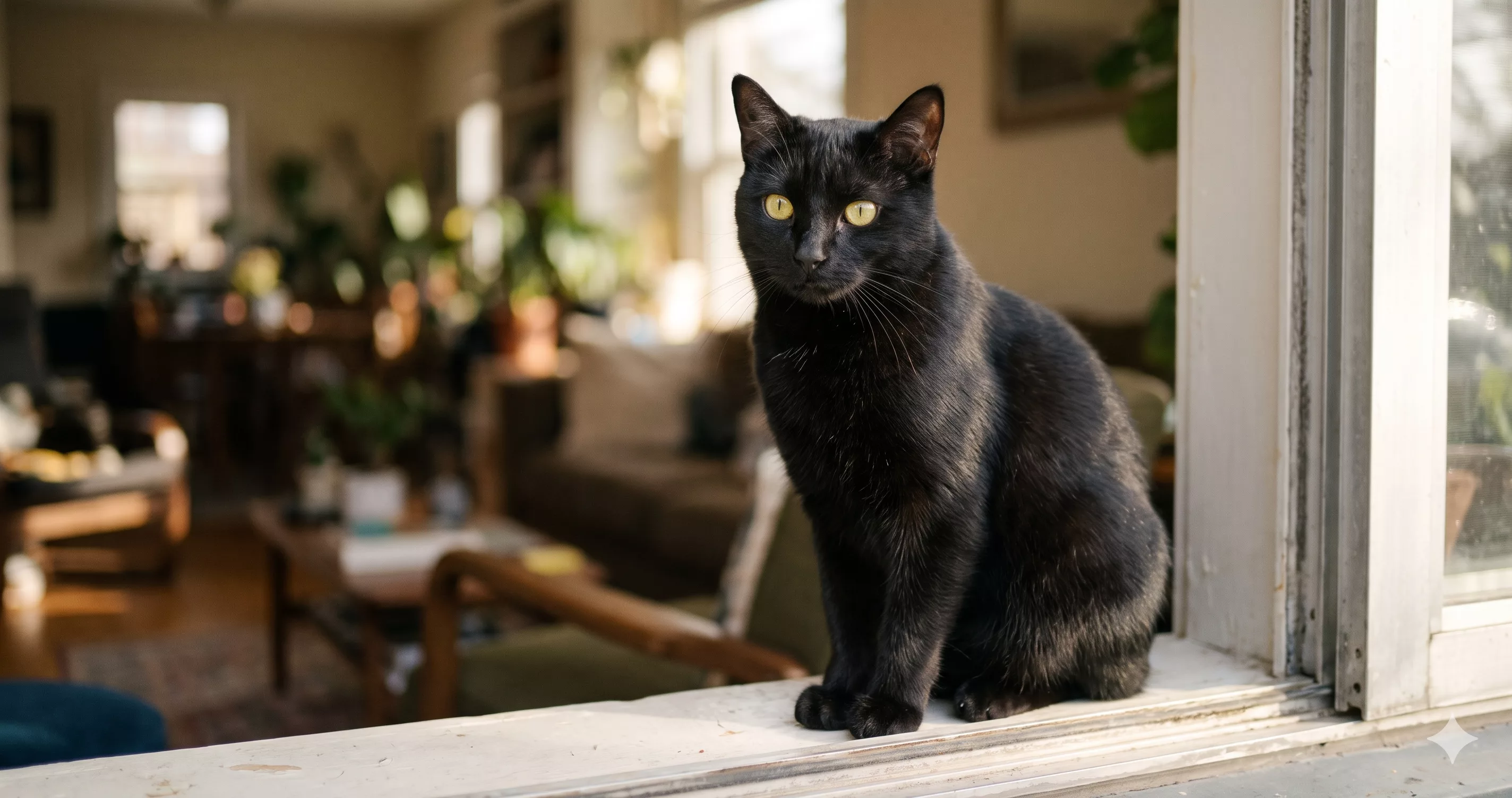
Senior Cat Care Checklist: A Complete Guide to Aging Well
Note: This article is for informational purposes only and does not replace professional veterinary advice.
Quick Answer
The AAHA/AAFP 2021 guidelines define a cat as senior from 10 years old, with the mature adult stage from 7 to 10. AAHA recommends checkups at a minimum of every six months for senior cats, and PetMD says senior care often begins around 7. Watch for weight changes, trouble jumping, changes in grooming, sleep or litter box habits, and confusion, and contact a veterinarian about any change.
Cats age quietly, and early signs are easy to write off as "just getting older". The American Association of Feline Practitioners (AAFP) and the American Animal Hospital Association (AAHA) define a cat as senior from 10 years old, with the mature adult stage running from 7 to 10, and PetMD notes that senior care often begins around 7. This guide covers those life stages, the aging signs PetMD lists, the conditions more common in older cats, how often to see a veterinarian, and the home adjustments PetMD suggests.
When Is a Cat Considered Senior?
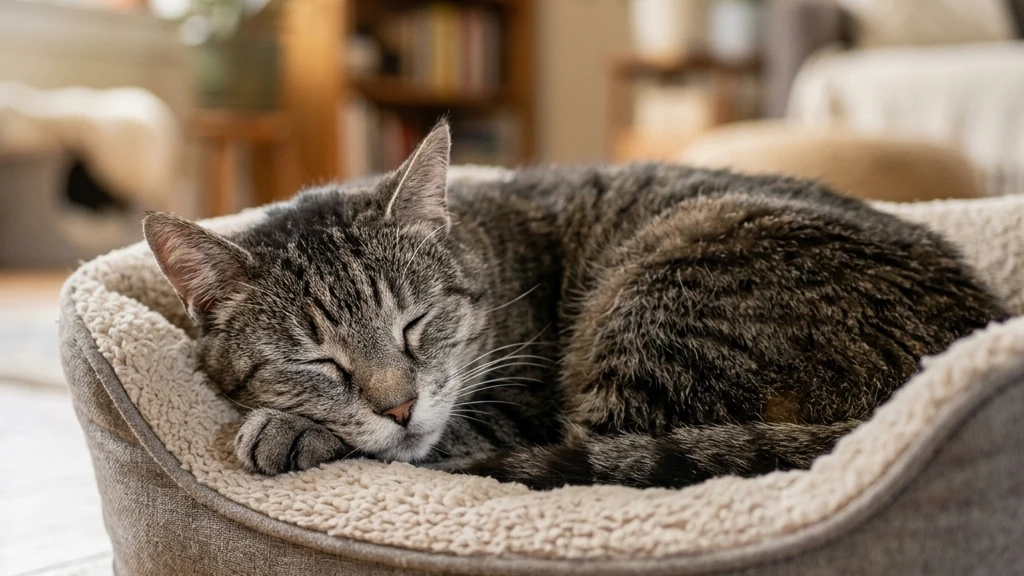
The 2021 AAHA/AAFP Feline Life Stage Guidelines list five stages: kitten (birth up to 1 year), young adult (1 to 6 years), mature adult (7 to 10 years), senior (10 years and older) and end-of-life (any age). PetMD says cats are considered seniors after they turn 10, according to the AAFP, but that many veterinarians begin treating cats as seniors at 7, when wellness exams increase from yearly to every six months. These are guidelines, not strict cut-offs, so each cat's own signs matter.
Common Signs of Aging to Watch For
PetMD lists these as common signs that a cat is getting older:
- Weight loss or weight gain
- Trouble jumping and decreased mobility
- Trouble eating, and dental disease
- Decreased vision, especially at night, and decreased hearing
- Sleeping more and being less active (see our guide to unusual increases in sleep)
- Decreased self-grooming
- Signs of confusion, such as wandering around the house
- Accidents in the house or trouble making it to the litter box
- Increased hiding
PetMD notes that cats are good at hiding pain and that any physical or behavioural change can mean something is going on with their health. A change in eating, including a sudden loss of appetite, is worth taking seriously.
Health Conditions More Common in Senior Cats
PetMD says senior cats are more prone to conditions such as kidney disease, arthritis and hyperthyroidism, and lists dental disease, inflammatory bowel disease, diabetes, some cancers and cognitive dysfunction syndrome among the common problems. It reports that dental disease affects over 80% of cats over 5 years old, arthritis over 90% of cats aged 10 and older, and that cognitive dysfunction is found in 80% of cats aged 15 and older, with signs including disorientation, vocalising at night, accidents in the house, hiding, poor grooming and sleeping more. This guide does not cover diagnosis or treatment of these conditions; that depends on your cat's examination and tests and should come from a licensed veterinarian.
Weight and Eating
PetMD lists both weight loss and weight gain among the signs of aging. It notes that kidney disease can show up as slight weight loss, increased drinking, larger clumps of urine in the litter box or reduced appetite, that weight loss with increased appetite and vocalising is typical of hyperthyroidism, and that diabetes is common in older cats, especially those that are overweight. PetMD suggests regular weigh-ins at home to catch sudden weight loss early. For diet questions, PetMD says to check with your veterinarian about the best food for your senior cat.
Dental Health
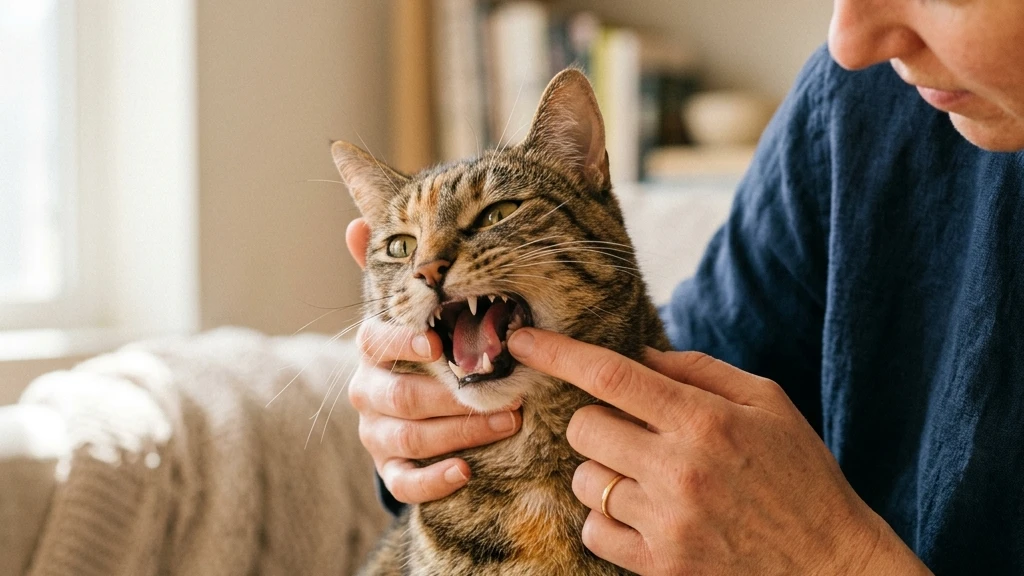
PetMD says dental disease affects over 80% of cats over 5 years old and lists trouble eating among the signs of aging. It says annual dental cleanings help keep teeth healthy. Ask your veterinarian to check your cat's mouth at wellness visits.
The Senior Cat Care Checklist
Veterinary Visits
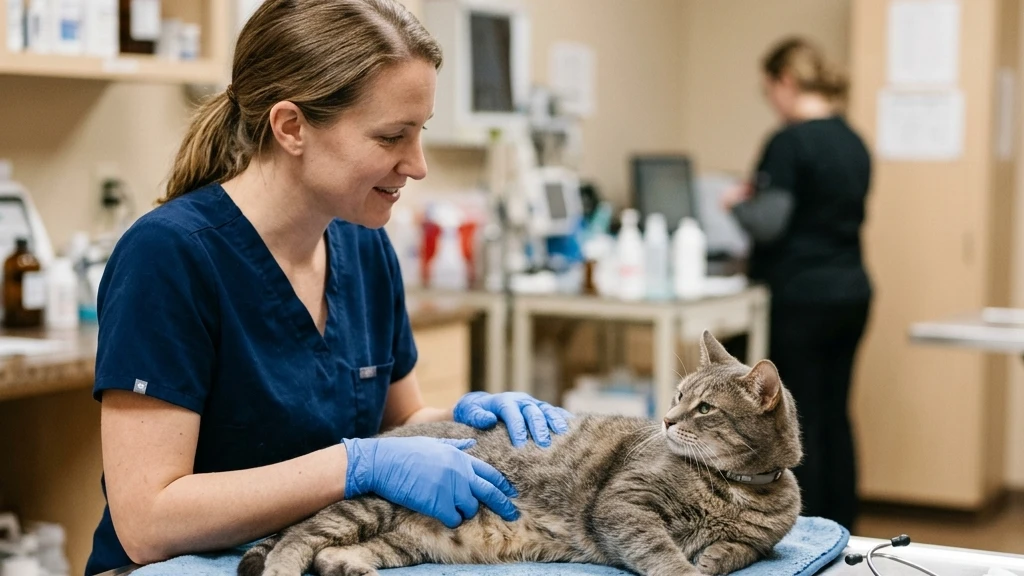
AAHA's chief medical officer said all cats of every life stage need full physical examinations at least annually, and recommended checkups at a minimum of every six months for senior cats. PetMD says a complete physical exam is recommended every six months for all cats over 7 years old, that bloodwork is likely to be recommended at older-cat wellness exams, and that routine blood pressure checks are typically advised for all cats over 10. See our guide to scheduling vet visits.
Home Adjustments
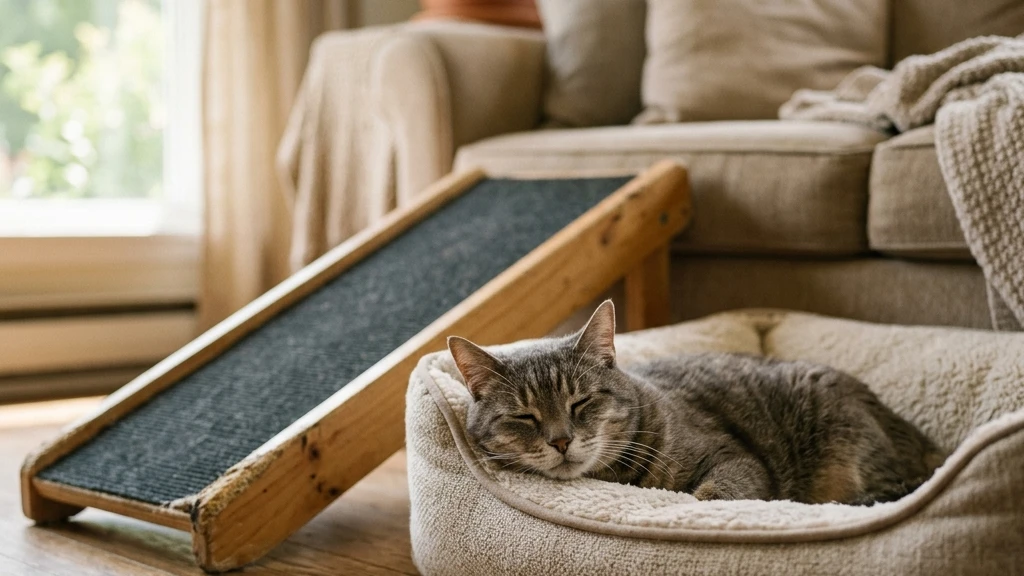
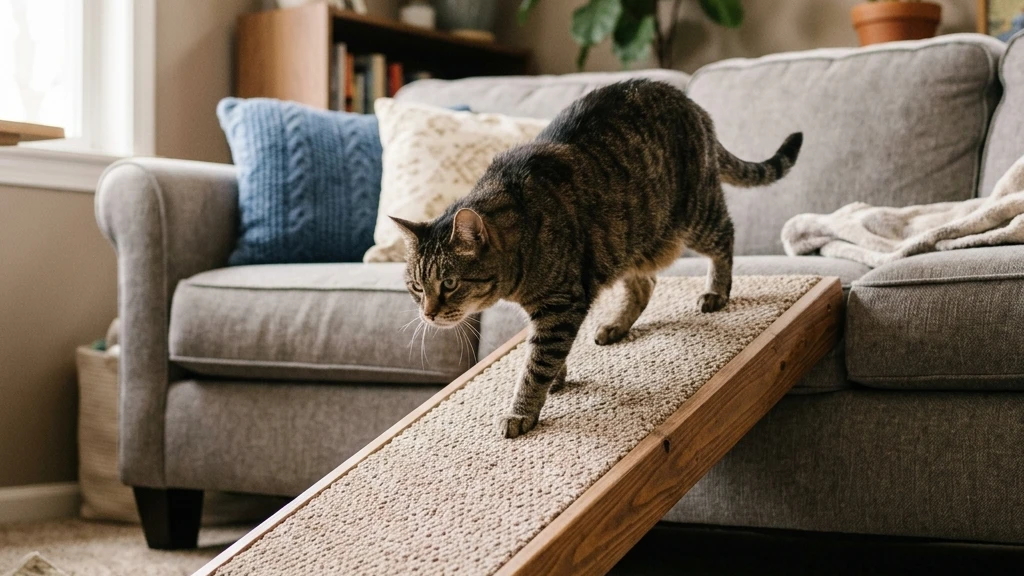
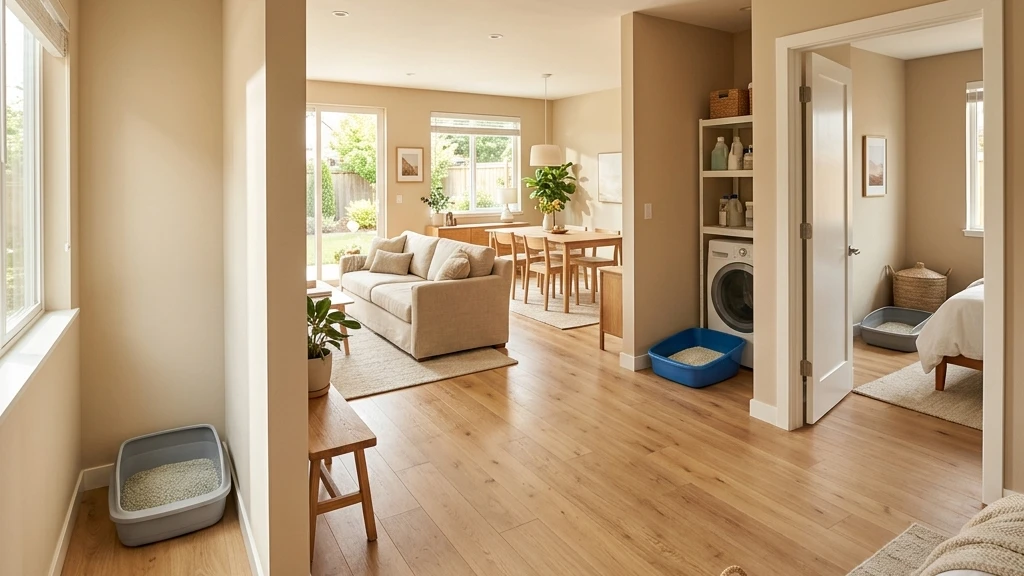
PetMD suggests making sure your senior cat has easy access to fresh food and water, because older cats sometimes forget to eat and drink or find stairs difficult; a warm place to sleep; a litter box on every floor, with a low, large pan helping stiff joints; and weekly brushing if your cat needs help with grooming. It suggests regular weigh-ins at home and says to contact your veterinarian about any change you notice.
Common Mistakes
- Assuming reduced activity or trouble jumping is just "slowing down"; PetMD lists it among signs of aging and arthritis is common in older cats.
- Waiting for the annual exam; the AAHA/AAFP guidelines recommend checkups at least every six months for senior cats.
- Not weighing your cat regularly, so weight loss goes unnoticed.
- Treating litter box accidents as only a behaviour problem; PetMD lists them among the signs of aging and of illness.
- Keeping food, water and litter boxes on a different floor from where an older cat spends its time.
- Dismissing confusion or night-time vocalising as a personality quirk; PetMD links them to cognitive dysfunction.
Final Thoughts
Senior cat care comes down to noticing changes early, seeing a veterinarian at least every six months once your cat is senior, and adjusting the home for stiffer joints. If you're noticing changes and aren't sure whether they're normal aging or something more, read the broader warning signs your cat may be sick, and contact a licensed veterinarian.
Watch for changes in mobility, weight, appetite, grooming and litter box habits, and book checkups at least every six months once your cat is 10 or older.
This guide is for general education and is not a substitute for veterinary care. Any new or worsening symptom in an older cat is worth discussing with a veterinarian rather than assuming it is normal aging.
Medical Disclaimer
This content is provided for informational and educational purposes only and should not be considered veterinary, medical, behavioral, or training advice. While we strive for accuracy, we make no guarantees regarding completeness or results. Always consult a licensed veterinarian or qualified pet care professional before making decisions about your pet’s health, diet, or behavior.
AI Illustration Notice
Some images in this article may have been generated or enhanced using artificial intelligence for illustrative purposes.
Frequently Asked Questions
The 2021 AAHA/AAFP guidelines define senior as 10 years and older, with the mature adult stage from 7 to 10 years. PetMD notes that many veterinarians begin treating cats as seniors at 7.
PetMD lists weight loss or gain, trouble jumping, trouble eating, dental disease, decreased vision and hearing, sleeping more, decreased grooming, confusion, accidents in the house and increased hiding.
AAHA recommends checkups at a minimum of every six months for senior cats. PetMD says a complete physical exam is recommended every six months for all cats over 7.
PetMD lists dental disease, osteoarthritis, kidney disease, hyperthyroidism, inflammatory bowel disease, diabetes, some cancers and cognitive dysfunction syndrome.
PetMD lists sleeping more and being less active among the signs of aging, and also among the signs of cognitive dysfunction. Contact a veterinarian if the change is new or comes with other signs.
PetMD suggests a litter box on every floor, and says a low, large litter pan can help a cat's joints.
PetMD lists weight loss among the signs of aging, but also notes it can accompany kidney disease and hyperthyroidism. It suggests regular weigh-ins at home to catch sudden weight loss early; contact a veterinarian about weight changes.
PetMD suggests easy access to fresh food and water, a warm place to sleep, a litter box on every floor and weekly brushing if your cat needs grooming help.
PetMD says cognitive dysfunction is found in 80% of cats aged 15 and older, with signs including disorientation, vocalising at night, accidents in the house, hiding, poor grooming and sleeping more. Contact a veterinarian.
PetMD suggests regular home weigh-ins to catch sudden weight loss, and says to note any physical or behavioural change and contact your veterinarian for guidance.
Normal vs. Concerning Symptoms
A general guide to help you tell everyday variation apart from something worth a vet visit. This is educational context, not a diagnosis.
| Symptom | What's Normal | When to Be Concerned |
|---|---|---|
| Mobility | Moves and jumps as usual | Trouble jumping or decreased mobility (PetMD lists this as a sign of aging) |
| Grooming | Well-groomed coat | Decreased self-grooming |
| Weight and eating | Steady weight and eating | Weight loss or gain, or trouble eating |
| Litter box habits | Consistent normal use | Accidents in the house or trouble reaching the box |
What Should I Do Next?
A general decision guide — always use your own judgement and contact a veterinarian for anything beyond routine care.
- Note your cat's life stage Mature adult is 7 to 10 years and senior is 10 and older, per AAHA/AAFP; PetMD says senior care often begins at 7.
- Book checkups at least every six months AAHA recommends this as a minimum for senior cats.
- Weigh your cat at home regularly PetMD suggests this to catch sudden weight loss early.
- Adjust the home PetMD suggests easy access to food and water, a warm bed, a litter box on every floor and a low, large pan.
- Contact a veterinarian about any new or worsening change PetMD says any physical or behavioural change can mean something is going on with a cat's health.
Common Mistakes
- Assuming reduced activity or trouble jumping is just slowing down
- Waiting for the annual exam instead of checkups at least every six months
- Not weighing your cat regularly
- Treating litter box accidents as only a behaviour problem
- Keeping food, water and litter boxes on a different floor from where an older cat spends its time
- Dismissing confusion or night-time vocalising as a personality quirk
Prevention Tips
- Book checkups at least every six months once your cat is senior
- Weigh your cat regularly at home
- Provide easy access to fresh food and water and a warm place to sleep
- Put a litter box on every floor, with a low, large pan
- Brush weekly if your cat needs help with grooming
- Contact your veterinarian about any change you notice
Illustrative Example
Consider an owner whose 11-year-old cat has stopped jumping onto the counter. Rather than assuming the cat has lost interest, the owner notes that PetMD lists trouble jumping among the signs of aging, starts weighing the cat regularly and books a checkup to ask the veterinarian, who can examine the cat and advise.
Practical Checklist
- Note your cat's life stage
- Book checkups at least every six months once senior
- Weigh your cat regularly at home
- Watch for changes in mobility, weight, eating, grooming and litter box habits
- Provide easy access to food and water, a warm bed and a litter box on every floor
- Contact a veterinarian about any new or worsening change
Editorial Note
This article is part of PetNurture's educational library.
Topics draw on publicly available educational resources, recognised veterinary organisations, academic publications and established animal welfare references where appropriate.
The specific sources this article draws on are listed in its References section. If you spot an error, please let us know.
References
The information in this article has been reviewed and supported using the following sources.
PetMD
Accessed Oct 30, 2026
American Association of Feline Practitioners (AAFP) and American Animal Hospital Association (AAHA)
AAHA and AAFP Release Updated Feline Life Stage Guidelines (2021)
Accessed Oct 30, 2026
Pet Emergency Guidance
Every pet is unique. If your pet exhibits severe symptoms, sudden behavioral changes, or a medical emergency, do not rely on online guides — contact a licensed veterinarian or emergency clinic immediately.
Was this article helpful?
About PetNurture
PetNurture is an educational library of pet care guides, interactive tools and practical resources for pet parents. We work continuously to keep our content accurate and up to date. Reader feedback helps us maintain content quality.
Related Articles
Popular Cat Guides
Cat
Cat Feeding Calculator
Calculate how much food your cat needs daily based on weight, age, and activity level.