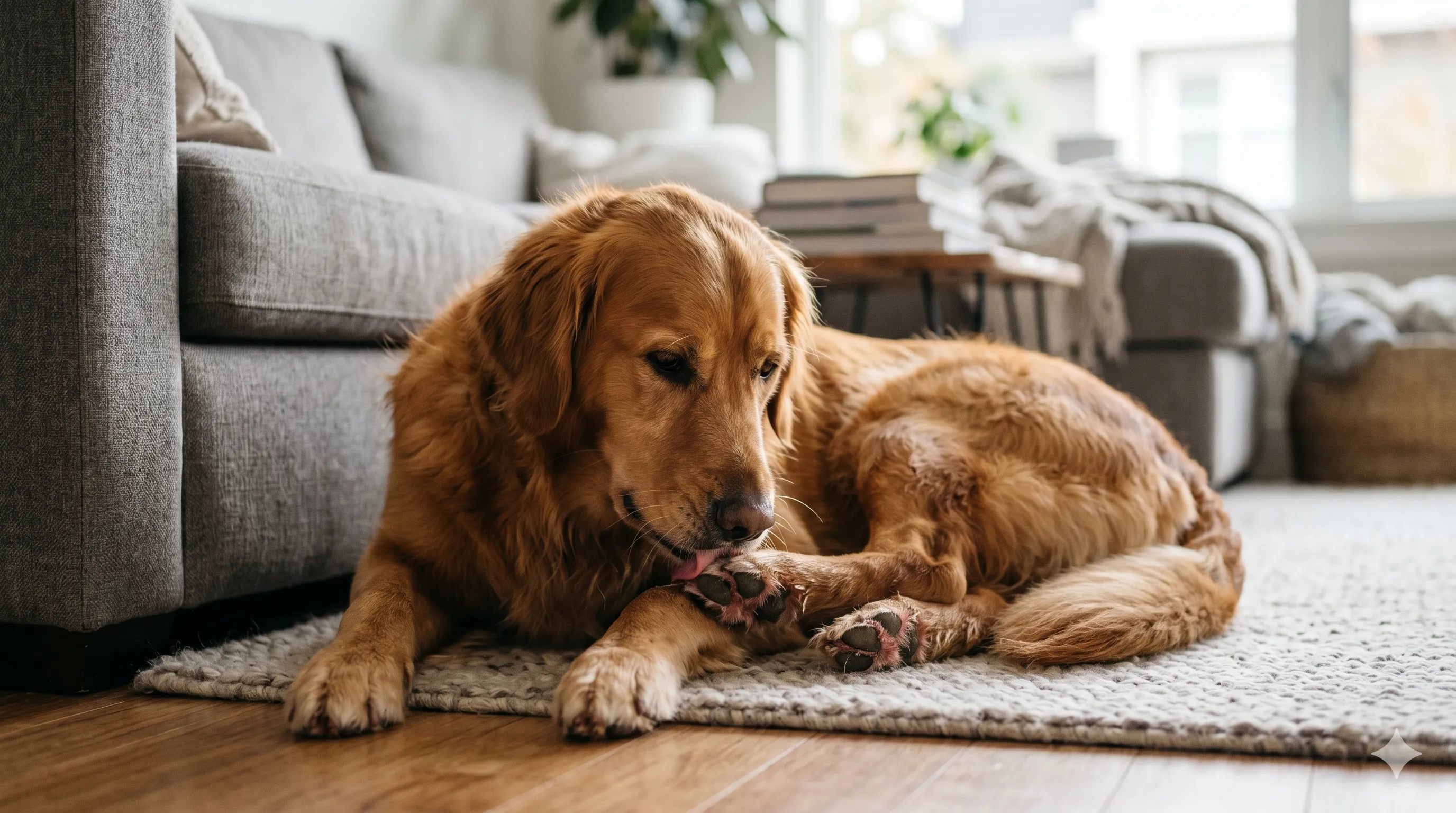
Why Does My Dog Sleep So Much? What's Normal and When to Worry
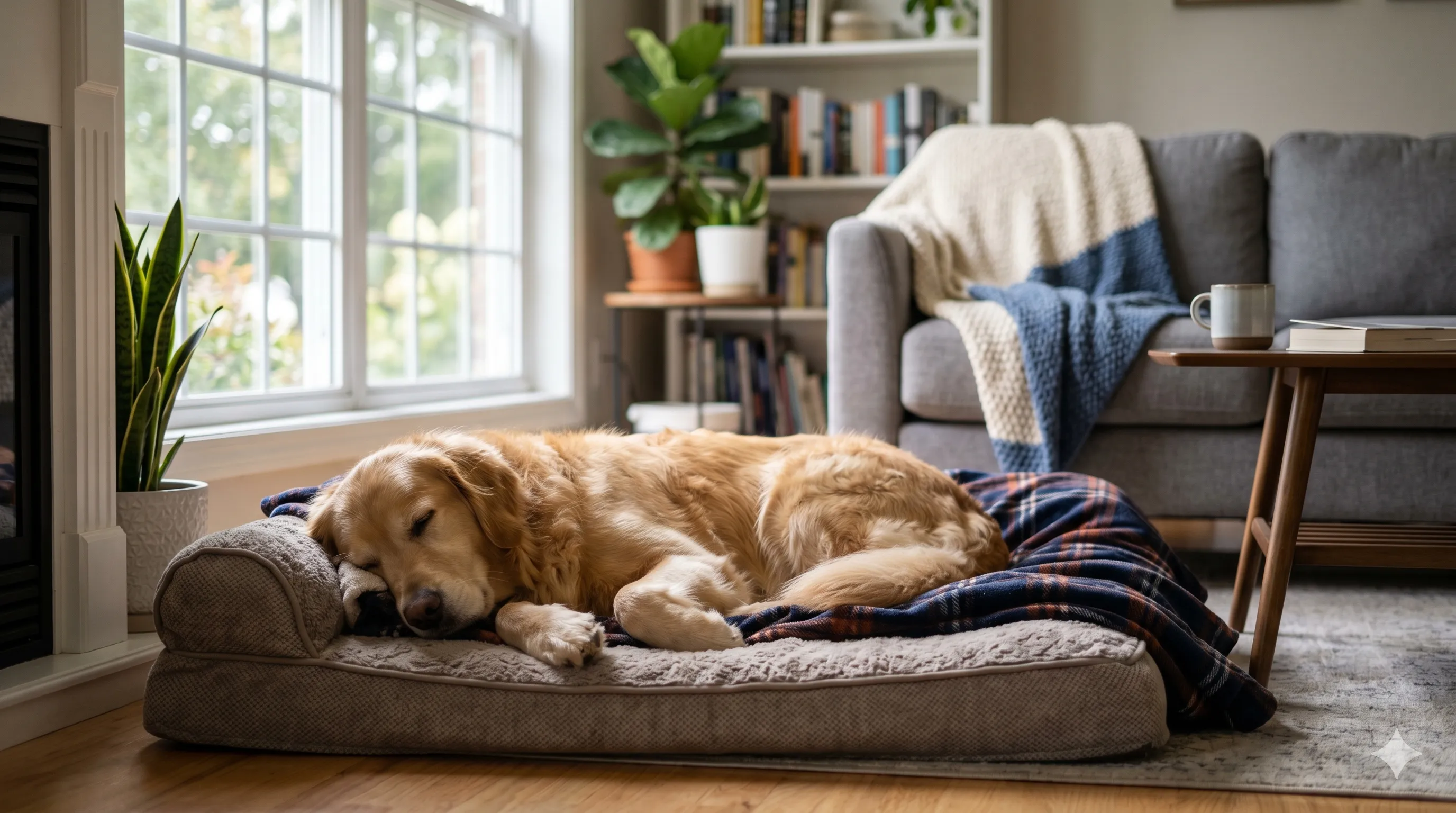
- Why Does My Dog Sleep So Much? (Quick Answer)
- How Much Sleep Is Normal for Dogs?
- Dog Sleeping Behavior (Quick Guide)
- 6 Real Reasons Why Dogs Sleep So Much
- 1. Dogs Naturally Conserve Energy
- 2. Age Plays a Major Role
- 3. Some Breeds Naturally Sleep More
- 4. Physical Activity Increases Recovery Sleep
- 5. Dogs Adapt to Their Environment and Routine
- 6. Boredom or Emotional Stress Can Increase Sleeping
- Normal Sleeping vs Excessive Lethargy
- When Should You Be Concerned?
- Common Situations Explained
- Why Does My Dog Sleep All Day?
- Why Does My Dog Sleep More After Exercise?
- Why Does My Dog Sleep Because of Boredom?
- How to Respond the Right Way
- 1. Track Sleep and Energy Patterns
- 2. Provide Regular Physical Exercise
- 3. Add Mental Enrichment
- 4. Maintain Consistent Routines
- 5. Observe Physical and Behavioral Changes
- Common Mistakes Owners Make
- Example Scenario
- Final Thoughts
Note: This article is for informational purposes only and does not replace professional veterinary advice.
Your dog seems perfectly happy one moment, then spends the next several hours sleeping on the couch, floor, bed, or anywhere comfortable nearby. For many dog owners, this raises an important question: is all this sleeping actually normal?
If you've been wondering "why does my dog sleep so much?", the answer often depends on your dog's age, breed, activity level, emotional state, and overall health. puppies naturally require more rest during early development and training
Dogs naturally sleep far more than humans, and in many situations, long sleep hours are completely healthy. Puppies, senior dogs, and low-energy breeds especially spend large portions of the day resting and recovering.
However, there is an important difference between normal sleep and concerning lethargy. Sudden increases in sleep, low energy, behavior changes, appetite loss, or difficulty waking up may sometimes signal boredom, emotional stress, or underlying medical problems.
Understanding your dog's normal sleep patterns helps you recognize when resting behavior is healthy and when it deserves closer attention.
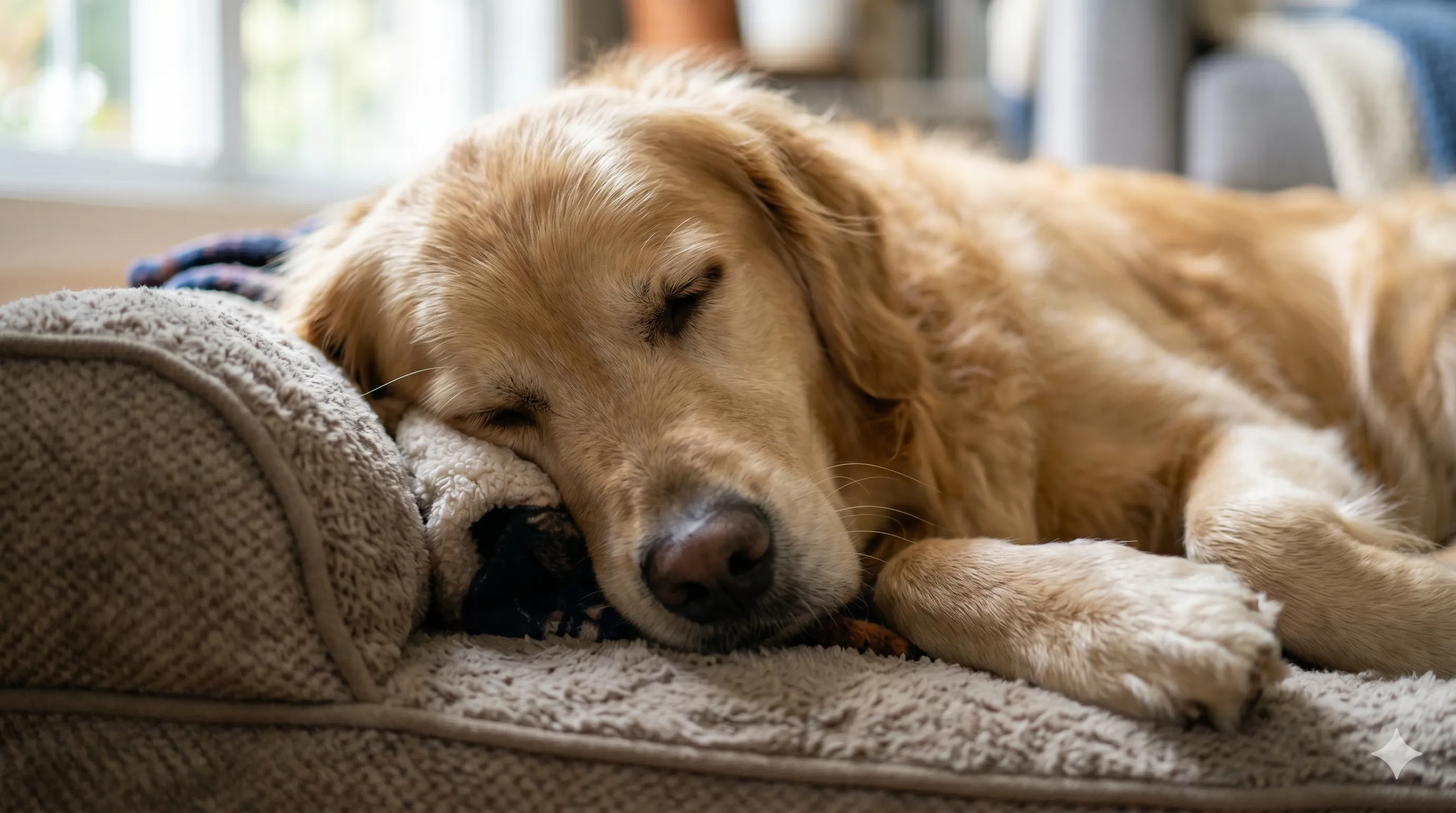
Why Does My Dog Sleep So Much? (Quick Answer)
Most dogs naturally sleep between 12 and 14 hours daily, while puppies and senior dogs often sleep even longer. Sleeping a lot is usually normal and helps dogs recover physically and mentally. However, sudden excessive sleeping combined with lethargy, appetite changes, or unusual behavior may indicate stress, boredom, illness, or health-related concerns.
The most important factor is whether your dog still appears healthy, alert, and engaged while awake.
How Much Sleep Is Normal for Dogs?
Dogs sleep significantly more than humans because their energy cycles work differently.
Unlike people, dogs alternate between periods of activity and extended rest throughout the day.
Average healthy sleep ranges include:
- Adult dogs: Around 12-14 hours daily
- Puppies: 18-20 hours daily
- Senior dogs: Often 16-18 hours daily
- Large breeds: Usually sleep more than smaller active breeds
Puppies naturally require more rest during early development and training. regular socialization and activity help maintain healthy energy levels and balanced behavior
In many households, dogs also adapt their sleeping schedule to match their owner's routine and environment.
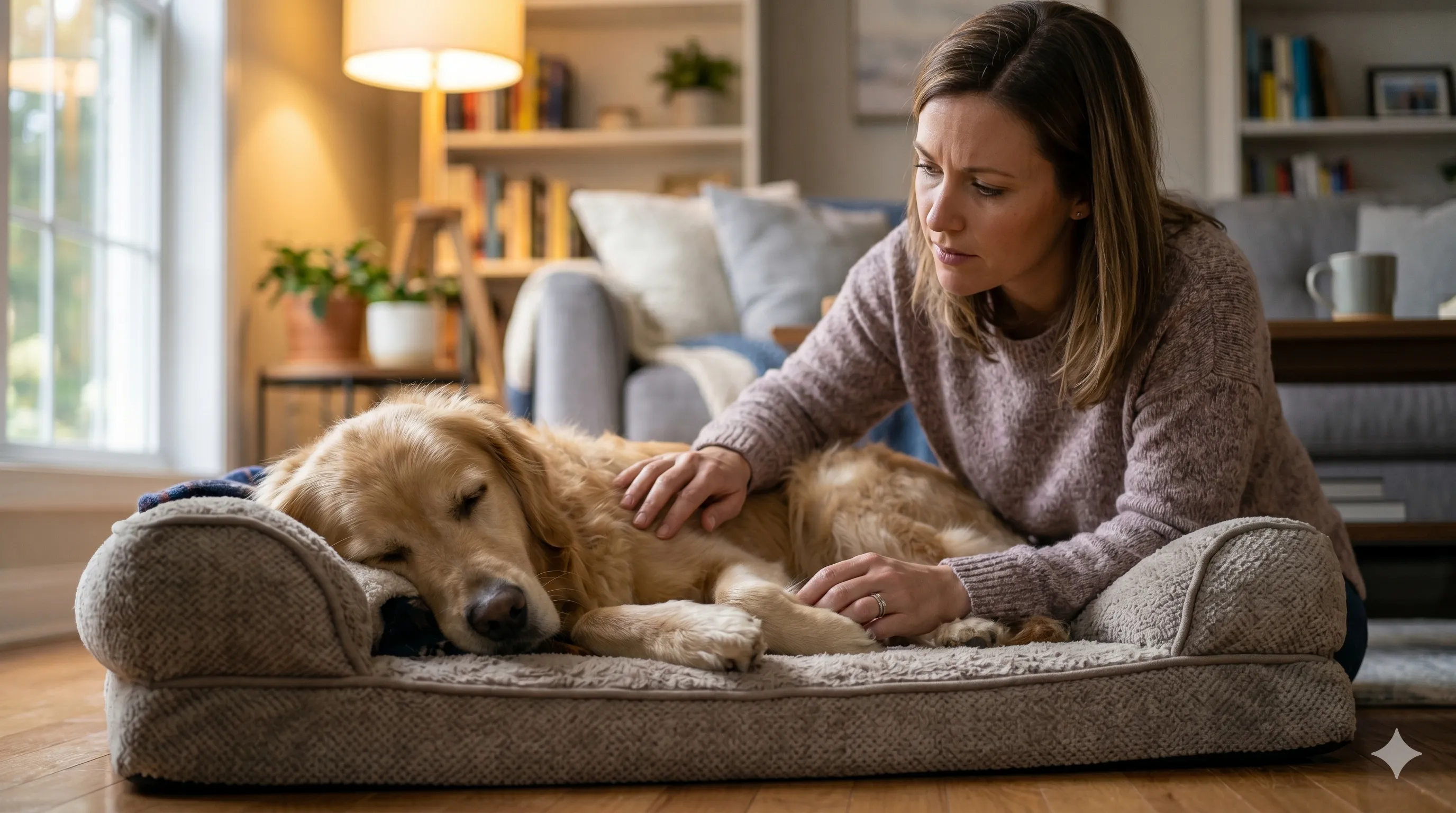
Dog Sleeping Behavior (Quick Guide)
| Behavior | Possible Meaning | What You Should Know |
|---|---|---|
| 12-14 hours of sleep | Normal adult behavior | Usually healthy |
| Puppy sleeping constantly | Growth and development | Completely normal |
| Sleeping after activity | Physical recovery | Healthy behavior |
| Sudden excessive sleeping | Stress or health issue | Monitor carefully |
| Sleeping with low energy | Possible lethargy | May need attention |
6 Real Reasons Why Dogs Sleep So Much
1. Dogs Naturally Conserve Energy
Dogs are biologically designed to alternate between activity and rest.
Unlike humans who often remain active for long continuous periods, dogs typically recharge through frequent naps and extended relaxation.
Even healthy active dogs may spend much of the day resting between walks, play sessions, meals, or social interaction.
This behavior is especially common in indoor dogs living calm, low-stimulation lifestyles.
2. Age Plays a Major Role
Age strongly affects how much sleep dogs need.
Puppies require large amounts of sleep because their bodies and brains are developing rapidly. Growth, learning, training, and socialization all require significant energy.
Senior dogs also tend to sleep more because:
- Energy levels naturally decline
- Joints may become stiff
- Recovery takes longer
- Activity levels decrease with age
Older dogs often need more physical recovery time after even moderate activity.
3. Some Breeds Naturally Sleep More
Breed characteristics heavily influence energy levels and sleeping behavior.
Certain breeds are naturally calm and low-energy, while others remain active and alert for much longer periods.
Breeds known for sleeping more include:
- Bulldogs
- Basset Hounds
- Saint Bernards
- Great Danes
- Mastiffs
Highly active working breeds, on the other hand, usually require much more physical and mental stimulation to remain balanced.
4. Physical Activity Increases Recovery Sleep
Dogs commonly sleep more after intense exercise, social activity, training sessions, or outdoor adventures.
This type of recovery sleep is healthy and expected.
Regular socialization and activity help maintain healthy energy levels and balanced behavior. dogs that lack indoor stimulation often become inactive or bored during long periods of inactivity
After mentally or physically stimulating days, many dogs naturally spend additional time resting to recover.
5. Dogs Adapt to Their Environment and Routine
Dogs quickly adjust to household schedules and lifestyle patterns.
If a home remains quiet during daytime hours, many dogs naturally learn to sleep more frequently during those periods.
This is especially common in:
- Apartment dogs
- Indoor-only dogs
- Homes with limited daytime activity
- Owners who work long hours
Many dogs simply sleep because nothing exciting is happening around them.
6. Boredom or Emotional Stress Can Increase Sleeping
Not all excessive sleeping is caused by physical tiredness.
Dogs that lack mental stimulation often become inactive and sleep more simply because they have little engagement or enrichment available.
Dogs that lack indoor stimulation often become inactive or bored during long periods of inactivity. anxiety and emotional stress can sometimes affect sleep patterns in dogs
Anxiety and emotional stress can sometimes affect sleep patterns in dogs as well. sudden lethargy and behavior changes should always be monitored carefully
Stress-related sleeping changes may happen after:
- Routine changes
- Isolation
- Lack of exercise
- Environmental stress
- Reduced social interaction
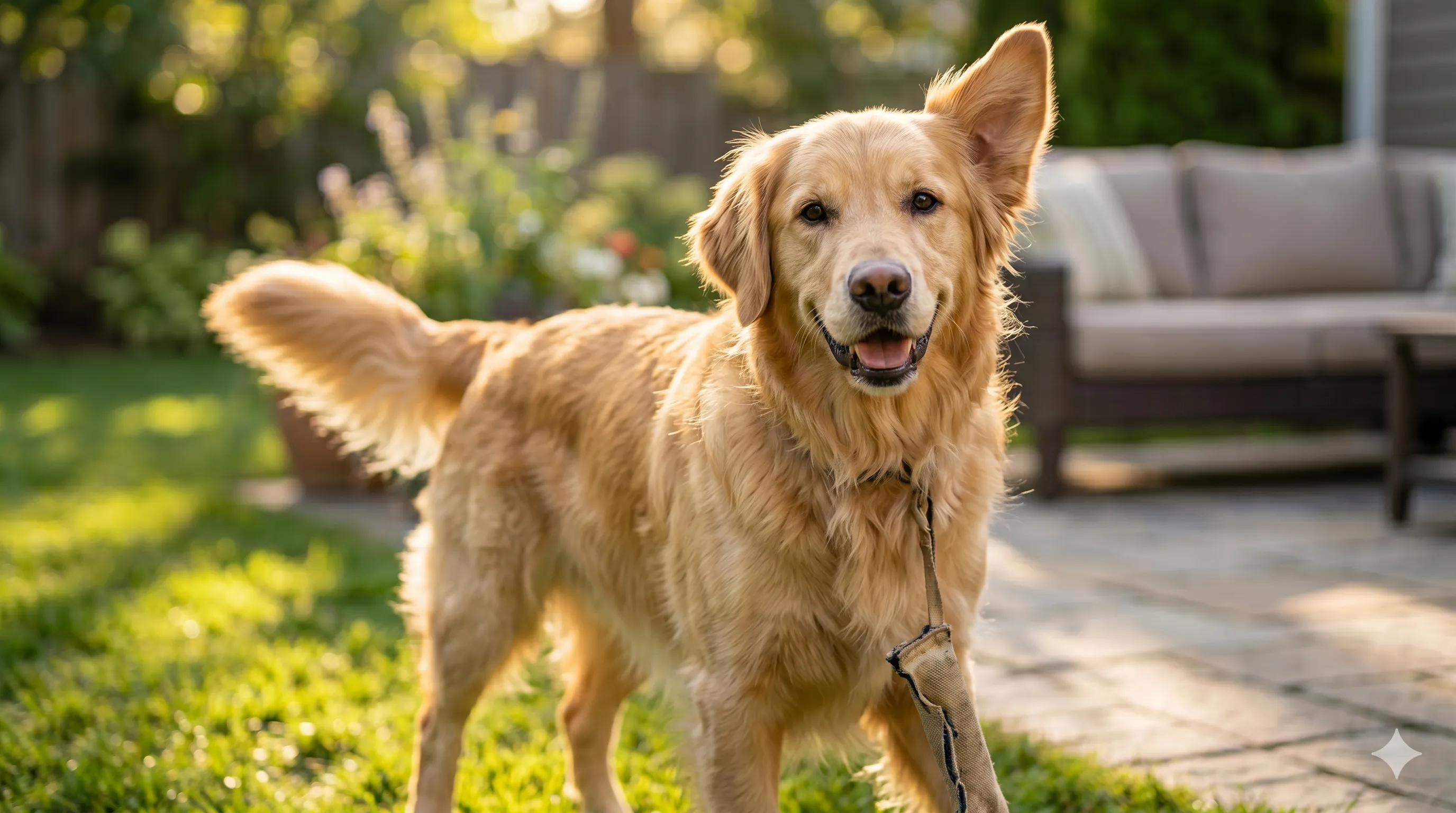
Normal Sleeping vs Excessive Lethargy
The biggest concern is not the number of hours your dog sleeps, but how your dog behaves while awake.
- Healthy sleep: Normal appetite, excitement, playfulness, and responsiveness when awake
- Potential lethargy: Constant tiredness, low energy, weakness, confusion, or loss of interest in activities
Sudden lethargy and behavior changes should always be monitored carefully. understanding subtle body language changes also helps identify possible discomfort or stress earlier
A healthy dog may sleep many hours yet still become alert and energetic during walks, feeding time, or social interaction.
When Should You Be Concerned?
Sleeping becomes more concerning when it changes suddenly or appears alongside other unusual symptoms.
Potential warning signs include:
- Sudden increase in sleep duration
- Difficulty waking up
- Loss of appetite
- Weakness or lethargy
- Vomiting or diarrhea
- Withdrawal behavior
- Reduced interest in play
- Breathing changes
If these symptoms appear together, a veterinary evaluation may be appropriate.
Common Situations Explained
Why Does My Dog Sleep All Day?
For many adult dogs, especially indoor pets, sleeping much of the day is completely normal.
The key question is whether your dog still appears healthy, emotionally balanced, and active when awake.
Why Does My Dog Sleep More After Exercise?
This is usually healthy recovery behavior.
Exercise, training, socialization, and mental stimulation all require energy, so extra sleep afterward is often expected.
Why Does My Dog Sleep Because of Boredom?
Dogs without enough stimulation may begin sleeping excessively simply because they lack engagement.
Interactive games, walks, training sessions, and enrichment activities often improve energy levels significantly.
How to Respond the Right Way
1. Track Sleep and Energy Patterns
Pay attention to changes over time rather than isolated sleepy days.
Consistent patterns help you identify whether behavior is normal for your dog.
2. Provide Regular Physical Exercise
Daily walks and physical activity help maintain healthy energy balance and mental stimulation.
3. Add Mental Enrichment
Puzzle toys, training sessions, sniff games, and interactive play help prevent boredom-related inactivity.
4. Maintain Consistent Routines
Dogs generally feel emotionally safer and more balanced when routines remain predictable.
5. Observe Physical and Behavioral Changes
Understanding subtle body language changes also helps identify possible discomfort or stress earlier. low energy combined with other symptoms like poor coat condition can sometimes point to health issues such as flea or tick problems
If sleep changes appear alongside illness symptoms, professional guidance may be helpful.
Common Mistakes Owners Make
- Assuming all excessive sleep is normal
- Ignoring sudden energy changes
- Failing to provide enough stimulation
- Overlooking emotional stress
- Confusing healthy sleep with lethargy
Example Scenario
The scenario below is an illustrative example of how this situation can play out, not a documented case study.
A young indoor dog appeared to sleep excessively throughout the day and showed very little excitement indoors.
Initially, the owner worried about a health issue. However, after introducing structured walks, interactive feeding toys, and daily play sessions, the dog's energy and engagement improved significantly within several weeks.
This type of boredom-related inactivity is very common in understimulated indoor dogs.
Final Thoughts
Dogs naturally sleep much more than humans, and in most situations, extended sleeping is completely healthy and normal.
Age, breed, exercise, routine, emotional state, and environment all influence how much rest your dog needs daily.
Understanding normal canine behavior patterns helps distinguish healthy sleep from possible lethargy or emotional imbalance. consistent daily routines help dogs feel emotionally balanced and secure
The most important thing is to monitor changes in energy, appetite, mood, and responsiveness rather than focusing only on the number of hours your dog sleeps.
This content is written to provide general educational guidance for dog owners and pet families and is not a substitute for professional veterinary advice.
Medical Disclaimer
This content is provided for informational and educational purposes only and should not be considered veterinary, medical, behavioral, or training advice. While we strive for accuracy, we make no guarantees regarding completeness or results. Always consult a licensed veterinarian or qualified pet care professional before making decisions about your pet’s health, diet, or behavior.
AI Illustration Notice
Some images in this article may have been generated or enhanced using artificial intelligence for illustrative purposes.
Frequently Asked Questions
Most adult dogs naturally sleep around 12 to 14 hours daily, while puppies and senior dogs often sleep even longer.
Yes, many dogs spend large portions of the day sleeping, especially indoor dogs, senior dogs, and low-energy breeds.
Sudden increases in sleeping may happen because of boredom, aging, stress, illness, routine changes, or reduced stimulation.
You should become concerned if excessive sleep appears alongside lethargy, appetite loss, weakness, breathing changes, or unusual behavior.
Yes, excessive sleeping combined with physical or behavioral changes can sometimes indicate illness or health-related problems.
Puppies sleep heavily because their bodies and brains are growing rapidly during early development.
Yes, understimulated dogs may sleep more frequently simply because they lack mental engagement and physical activity.
Healthy dogs still appear alert and responsive while awake, whereas lethargic dogs often show weakness, low energy, or reduced interest in normal activities.
Editorial Note
This article is part of PetNurture's educational library.
Topics draw on publicly available educational resources, recognised veterinary organisations, academic publications and established animal welfare references where appropriate.
The specific sources this article draws on are listed in its References section. If you spot an error, please let us know.
References
The information in this article has been reviewed and supported using the following sources.
American Kennel Club
Confirms normal sleep ranges by age and that excessive sleep can signal conditions like depression, diabetes, hypothyroidism, or hearing loss; supports the quick-answer and 'When Should You Be Concerned' sections of this article.
Accessed Aug 6, 2026
American Kennel Club
Can Senior Dogs Sleep Too Much? How Much Should Older Dogs Sleep?
Supports the senior-dog sleep range and monitoring guidance described in the 'Age Plays a Major Role' section of this article.
Accessed Aug 6, 2026
Pet Emergency Guidance
Every pet is unique. If your pet exhibits severe symptoms, sudden behavioral changes, or a medical emergency, do not rely on online guides — contact a licensed veterinarian or emergency clinic immediately.
About PetNurture
PetNurture is an educational library of pet care guides, interactive tools and practical resources for pet parents. We work continuously to keep our content accurate and up to date. Reader feedback helps us maintain content quality.
Related Articles
Popular Dog Guides
Dog
Dog Calorie Calculator
Find the right daily calorie target for your dog's weight and activity level.