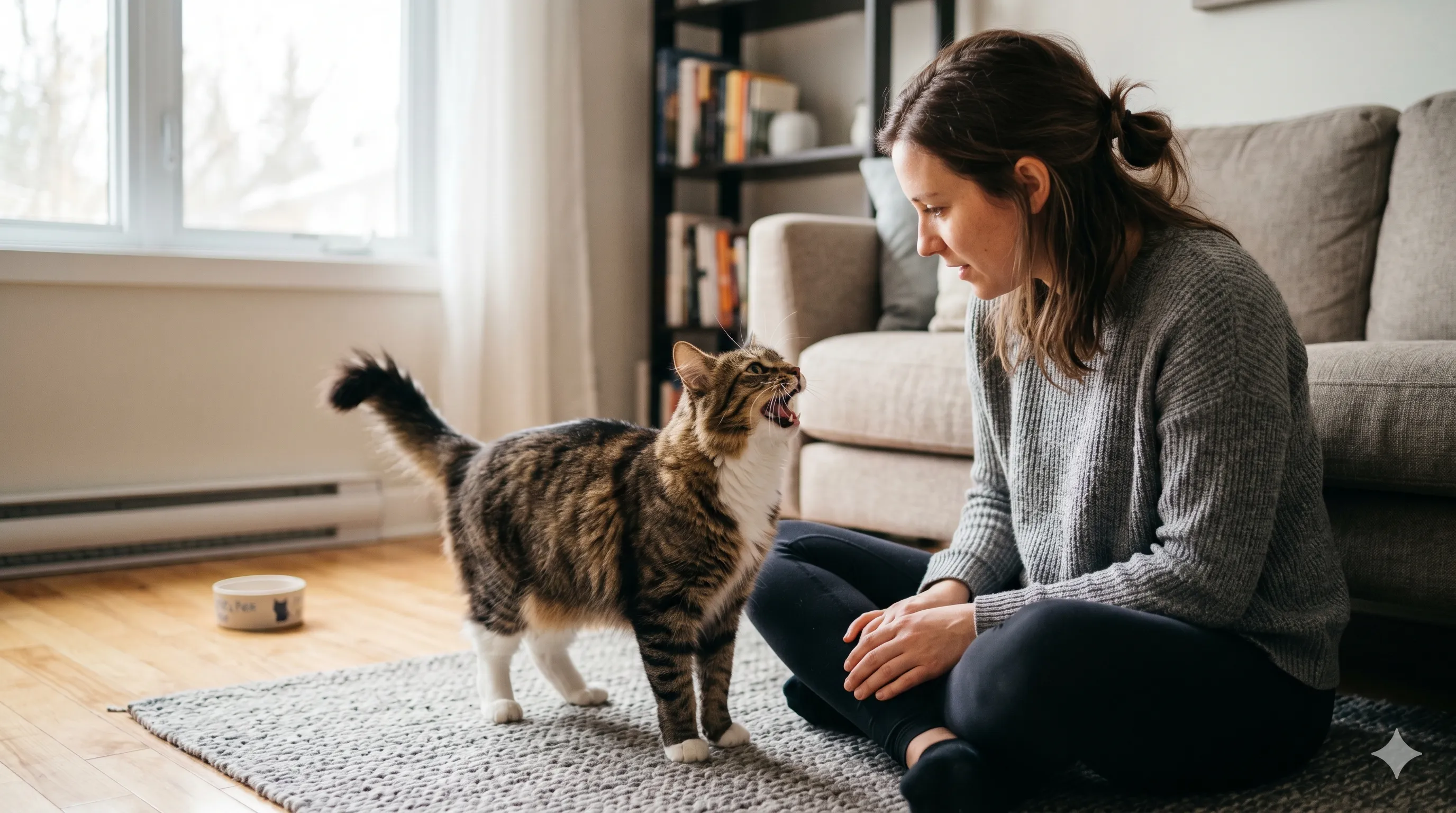
Why Does My Cat Purr So Loud? Real Meaning Behind Loud Cat Purring
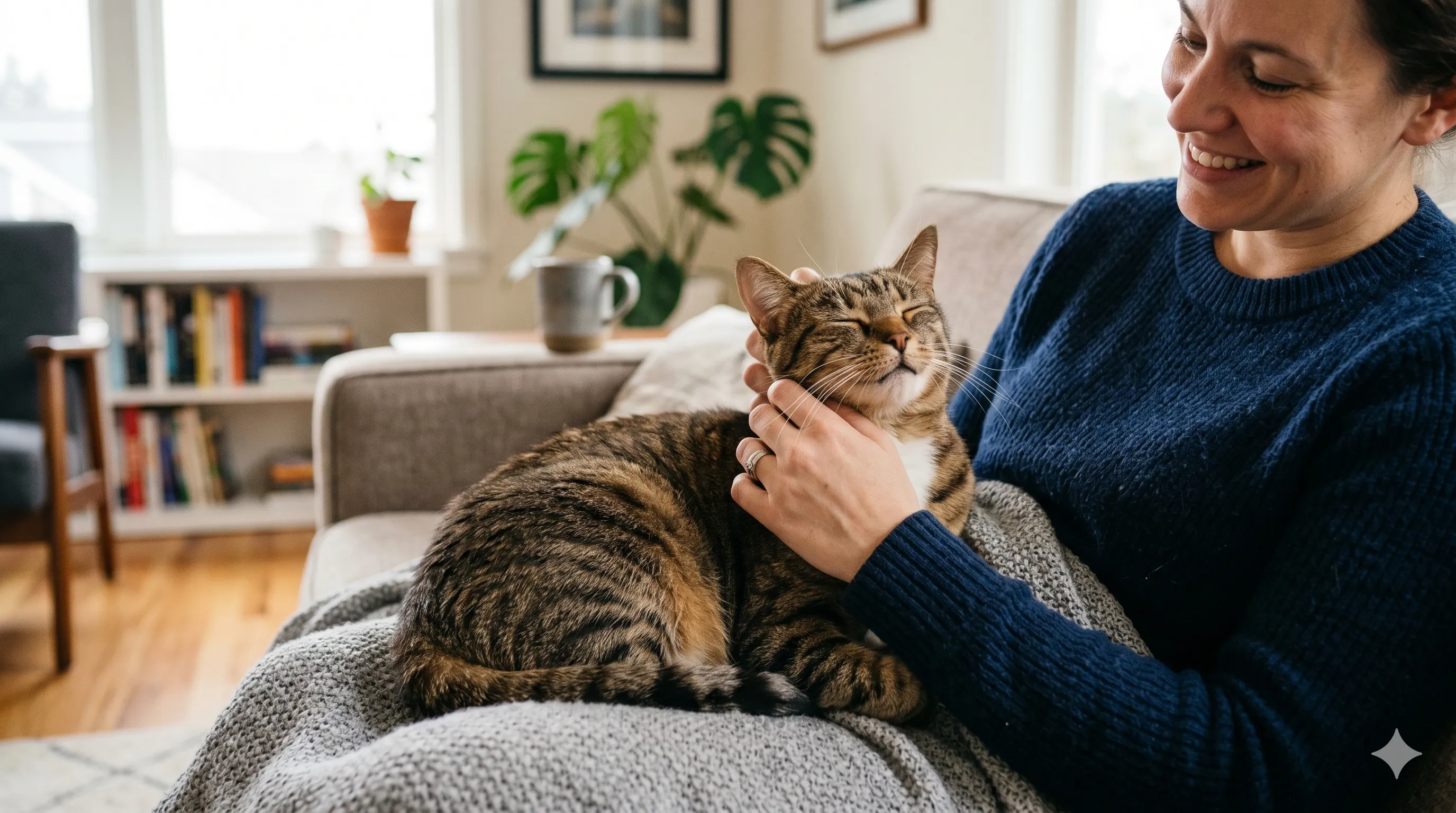
- Why Does My Cat Purr So Loud? (Quick Answer)
- Why Do Cats Purr in the First Place?
- What Loud Purring Usually Means
- 6 Real Reasons Why Cats Purr Loudly
- 1. Your Cat Feels Safe and Emotionally Comfortable
- 2. Some Cats Naturally Have Louder Purrs
- 3. Loud Purring Can Strengthen Bonding and Communication
- 4. Purring May Help Cats Calm Themselves
- 5. Your Cat May Be Seeking Attention
- 6. Loud Purring Can Sometimes Appear During Illness or Discomfort
- Does Loud Purring Always Mean Happiness?
- Signs Your Cat's Loud Purring Is Positive
- When Should You Be Concerned About Loud Purring?
- Common Situations Explained
- Why Does My Cat Purr Loudly While Sleeping?
- Why Does My Cat Purr Loudly While Kneading?
- Why Does My Cat Suddenly Purr More Than Before?
- How to Respond the Right Way
- 1. Observe Body Language Carefully
- 2. Encourage Calm Bonding Time
- 3. Avoid Ignoring Major Behavior Changes
- 4. Maintain a Stable Environment
- Common Mistakes Owners Make
- Example Scenario
- Final Thoughts
Note: This article is for informational purposes only and does not replace professional veterinary advice.
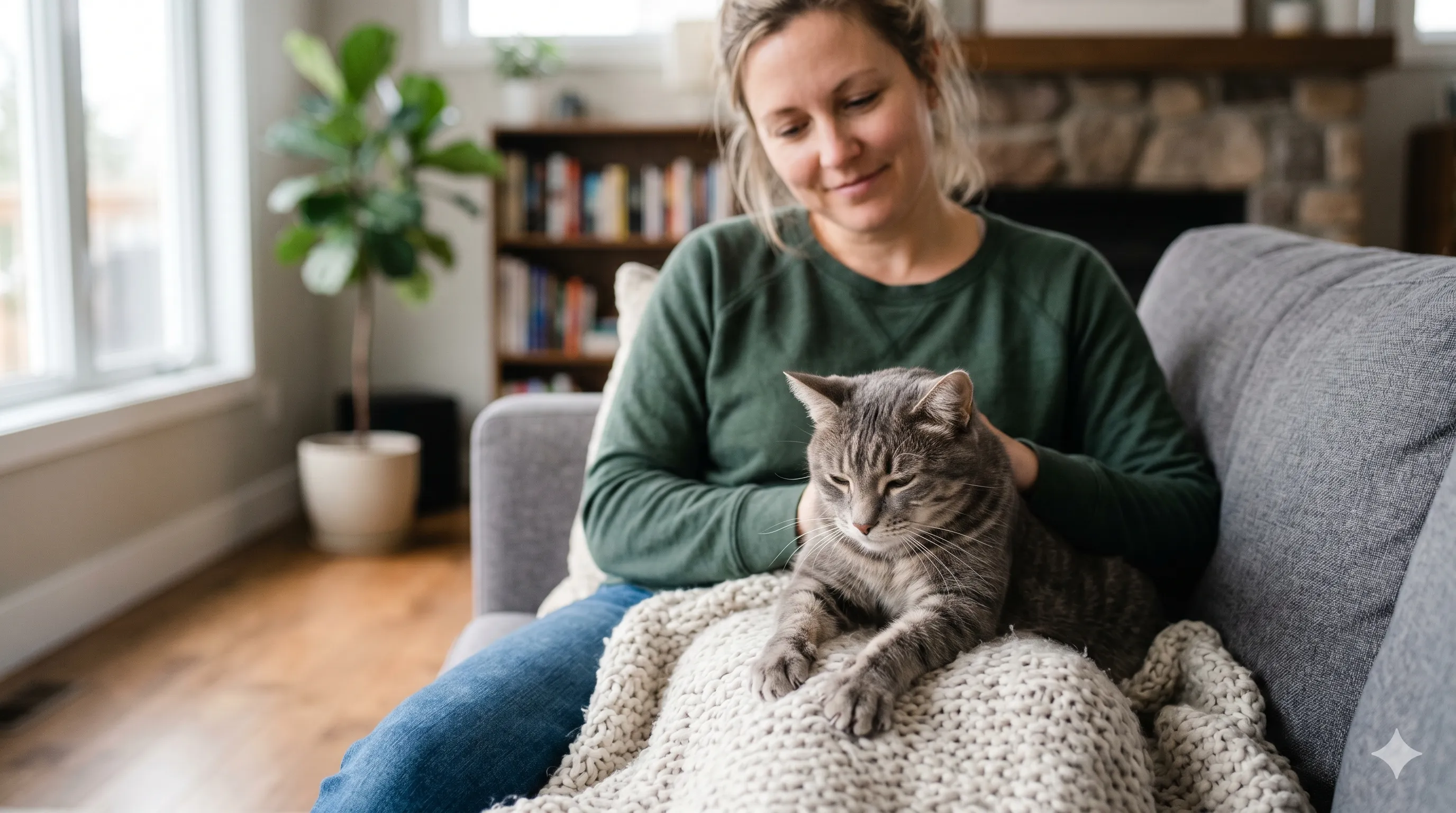
Your cat jumps onto your lap, curls into a ball, and suddenly starts purring so loudly that you can hear it across the room. For many cat owners, loud purring feels comforting, affectionate, and reassuring but it can also raise questions about what the behavior actually means.
If you've ever wondered "why does my cat purr so loud?", you're not alone. Some cats naturally purr much louder than others, and the reasons behind loud purring are not always as simple as happiness. learn why cats knead when they feel relaxed and emotionally secure
Although purring is commonly associated with comfort and affection, cats also purr in situations involving stress, anxiety, pain, attention-seeking, or emotional self-soothing.
Understanding your cat's body language, environment, and overall behavior helps reveal whether loud purring is a positive bonding signal or a sign something deeper may be happening emotionally or physically.
In most situations, loud purring is completely normal and reflects trust, relaxation, and emotional connection between cats and their owners.
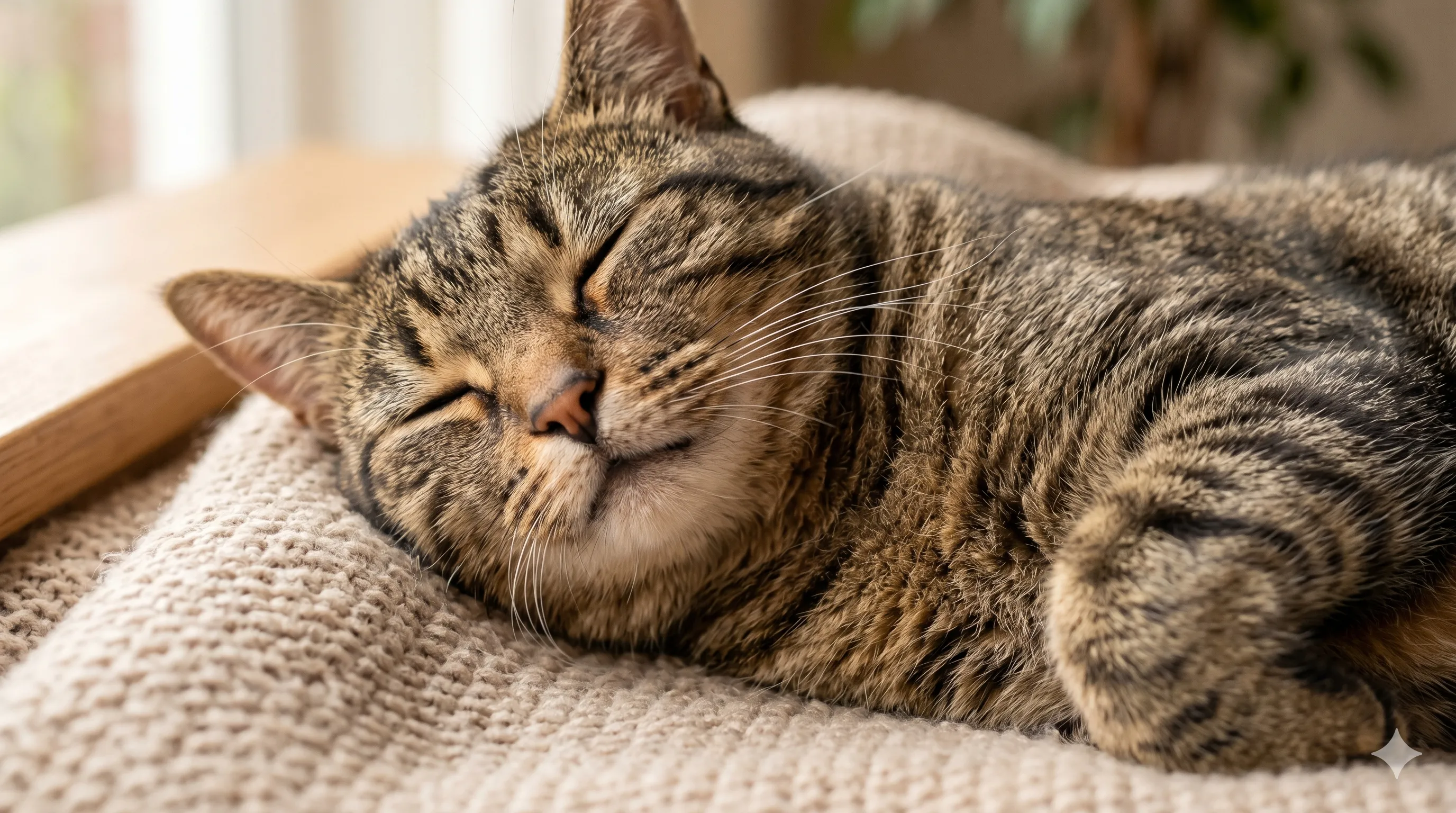
Why Does My Cat Purr So Loud? (Quick Answer)
Cats purr loudly because of emotional bonding, comfort, relaxation, attention-seeking, instinctive communication, or self-soothing behavior. Some cats naturally have stronger or more noticeable purrs than others. While loud purring is usually harmless, sudden changes combined with unusual behavior may sometimes indicate stress, pain, or illness.
The context surrounding the purring is what matters most.
Why Do Cats Purr in the First Place?
Purring is one of the most recognizable forms of feline communication.
Although scientists still do not fully understand every reason cats purr, the behavior is strongly connected to emotional regulation, social bonding, relaxation, and communication.
Cats commonly purr during:
- Petting and cuddling
- Sleeping or relaxing
- Greeting trusted humans
- Feeding time
- Kneading behavior
- Recovery from stress or discomfort
Learn why cats knead when they feel relaxed and emotionally secure. discover why your cat sleeps on you as a sign of trust and affection
Purring often begins early in kittenhood, helping kittens communicate comfort and connection with their mother.
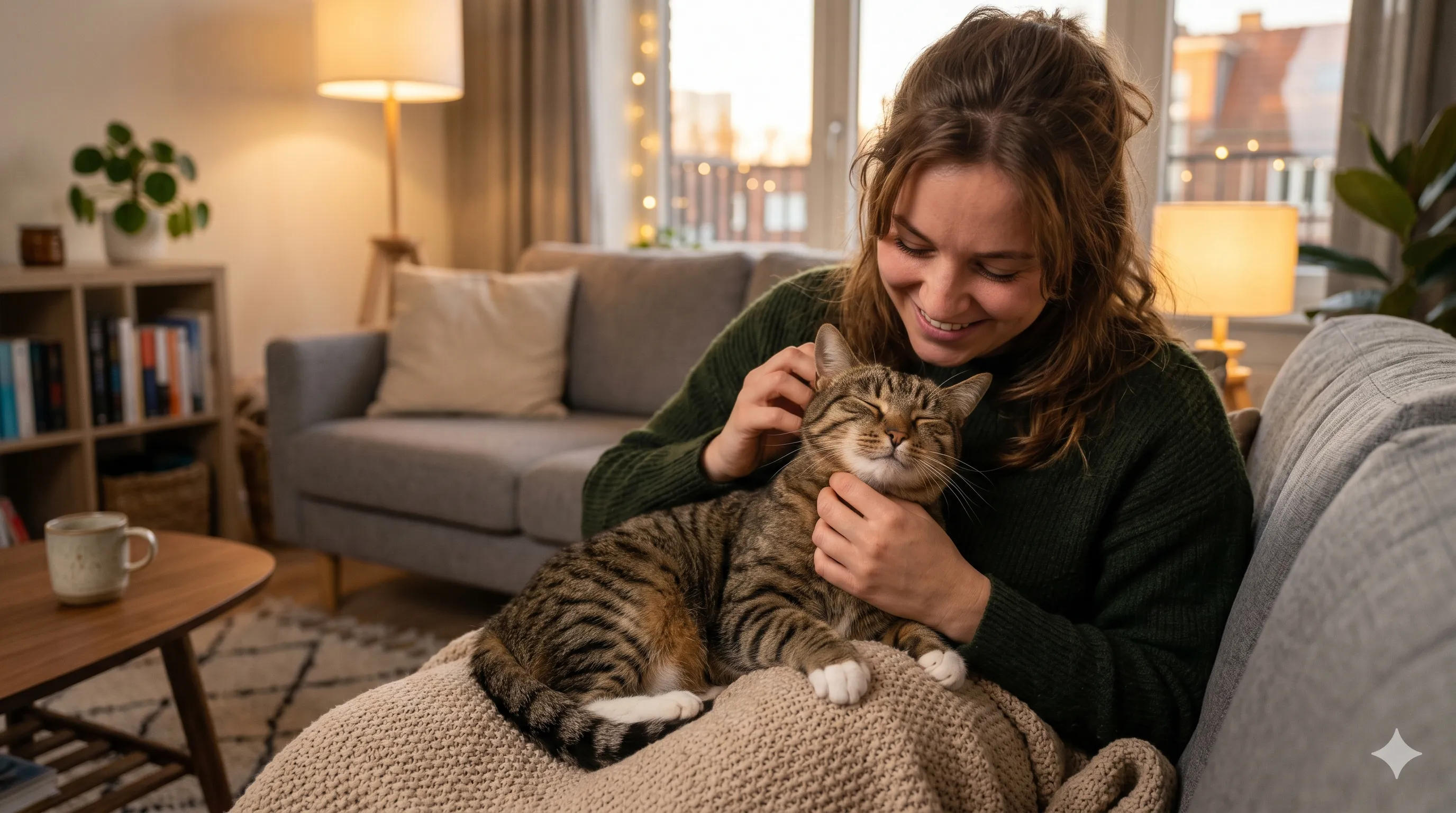
What Loud Purring Usually Means
| Behavior | Possible Meaning | What You Should Know |
|---|---|---|
| Loud relaxed purring | Comfort and trust | Usually very positive |
| Purring during petting | Affection and bonding | Common social behavior |
| Purring while kneading | Emotional security | Strong comfort signal |
| Sudden excessive purring | Stress or discomfort | Observe carefully |
| Purring while hiding | Possible self-soothing | May indicate stress |
6 Real Reasons Why Cats Purr Loudly
1. Your Cat Feels Safe and Emotionally Comfortable
The most common reason cats purr loudly is simple emotional comfort.
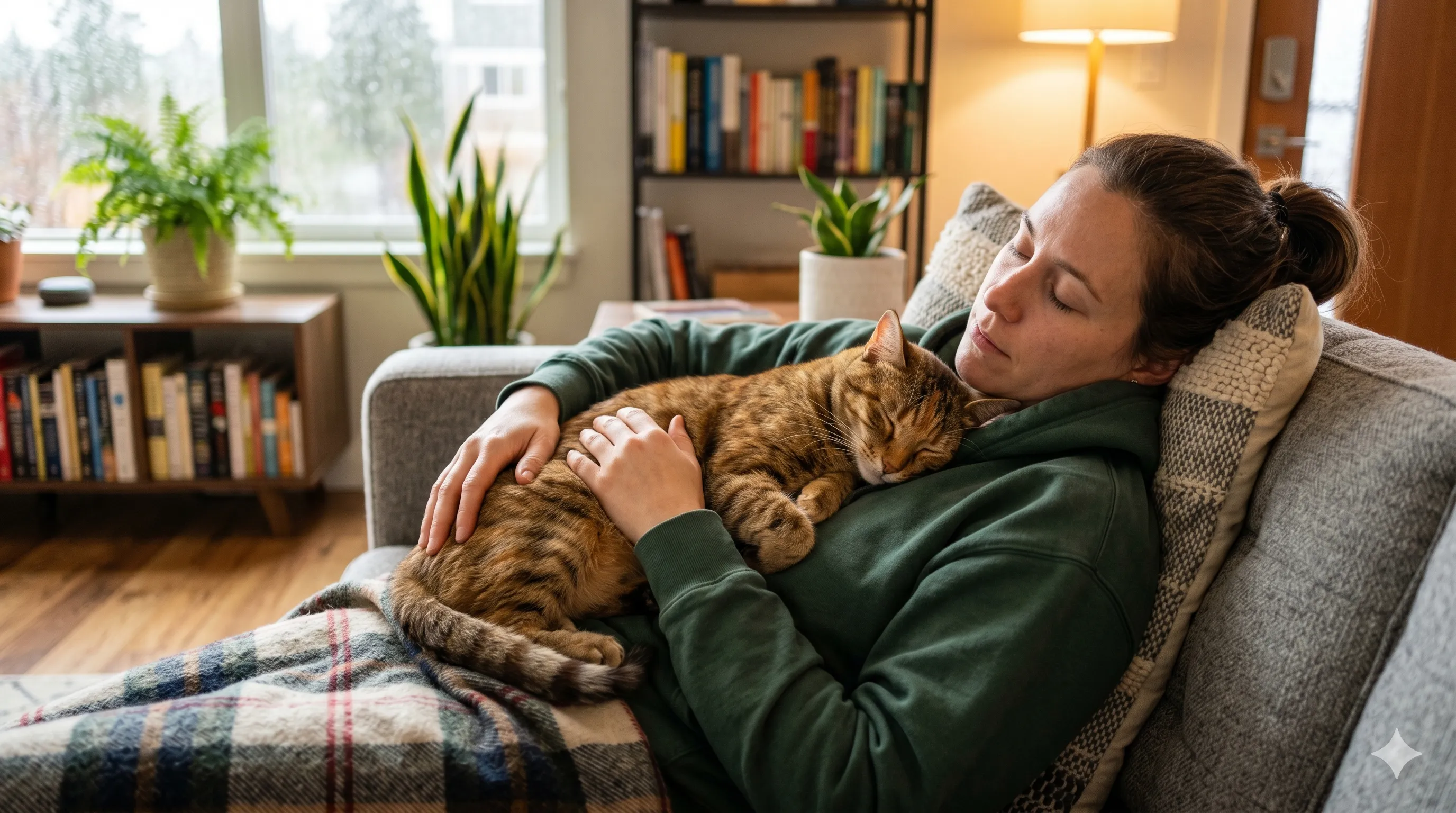
When cats feel relaxed, warm, safe, and emotionally secure, purring often becomes stronger and more noticeable.
This commonly happens during:
- Cuddling
- Sleeping beside owners
- Petting sessions
- Quiet bonding moments
- Relaxing in familiar environments
Discover why your cat sleeps on you as a sign of trust and affection. learn why your cat follows you closely when seeking comfort and reassurance
Many highly bonded cats naturally purr louder around the people they trust most.
2. Some Cats Naturally Have Louder Purrs
Just like humans have different voice volumes, cats naturally vary in how loudly they purr.
Some cats produce soft quiet purrs that are barely noticeable, while others create deep, vibrating purrs that can be heard across the room.
Breed, body size, personality, breathing patterns, and individual anatomy may all influence how loud a cat's purr sounds.
In many cases, loud purring is simply part of your cat's natural personality.
3. Loud Purring Can Strengthen Bonding and Communication
Cats often use purring as a social communication tool.
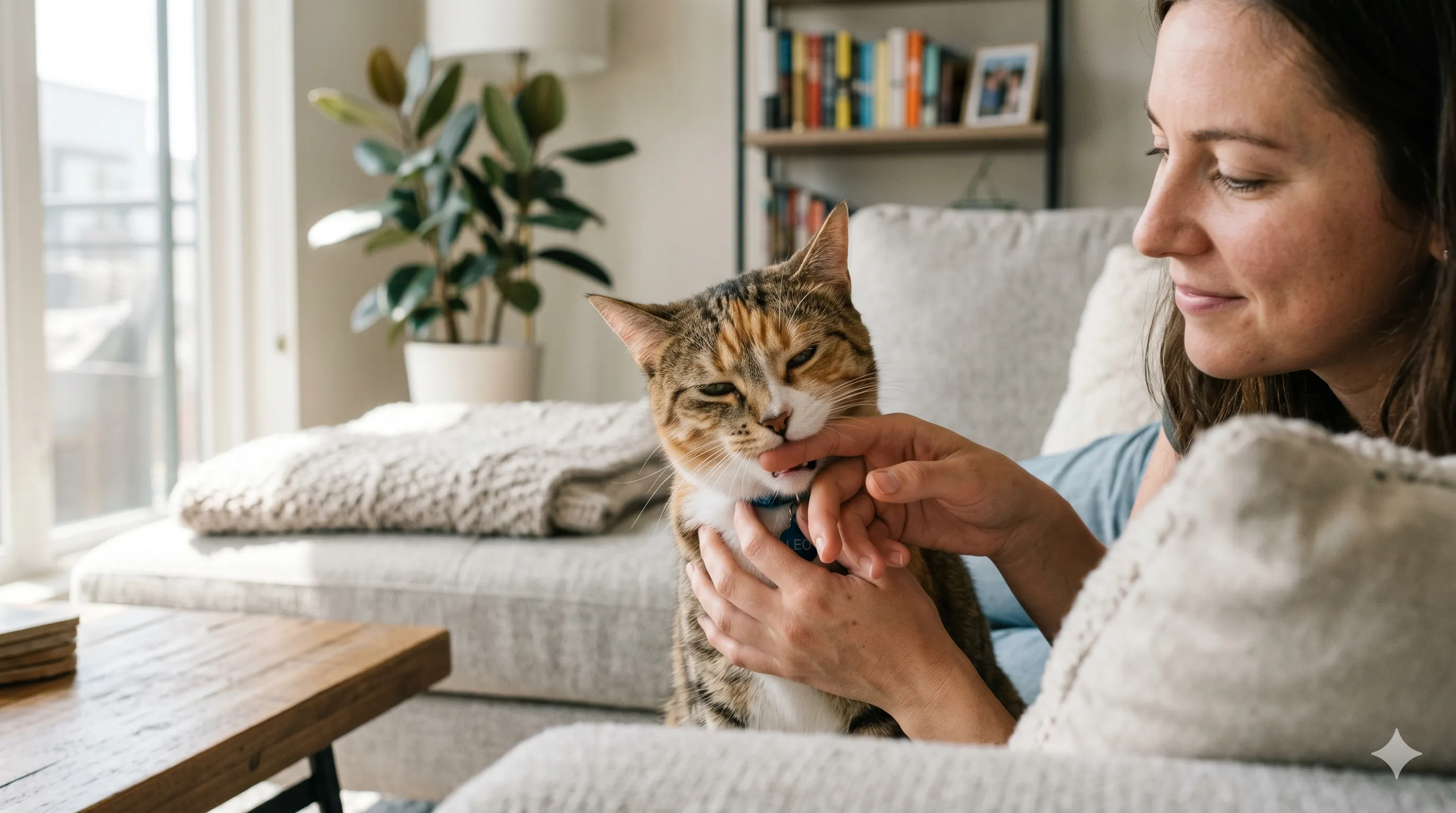
When your cat purrs loudly around you, they may be reinforcing emotional connection and encouraging interaction.
Many cats learn that purring:
- Gets attention
- Encourages petting
- Creates bonding moments
- Triggers positive responses from owners
Learn why your cat follows you closely when seeking comfort and reassurance. loss of appetite along with behavioral changes may indicate your cat is not eating due to illness
4. Purring May Help Cats Calm Themselves
Although purring is often linked to happiness, cats may also purr during stressful or uncomfortable situations.
Many experts believe purring may help regulate stress and emotional tension through self-soothing behavior.
This may explain why some cats purr during:
- Veterinary visits
- Fearful situations
- Recovery from injury
- Pain or illness
- Environmental stress
In these situations, loud purring does not always mean the cat feels happy.
5. Your Cat May Be Seeking Attention
Some cats quickly learn that loud purring attracts human attention.
If purring consistently results in petting, feeding, cuddling, or interaction, cats may repeat the behavior more intensely.
This is especially common in social and attention-oriented cats that enjoy constant interaction with their owners.
6. Loud Purring Can Sometimes Appear During Illness or Discomfort
One of the most misunderstood aspects of purring is that cats sometimes purr when they are physically uncomfortable or unwell.
This does not mean purring itself is dangerous. However, sudden changes in purring combined with unusual behavior should always be observed carefully.
Loss of appetite along with behavioral changes may indicate your cat is not eating due to illness. recognizing warning signs your cat may be sick helps identify problems early
Recognizing warning signs your cat may be sick helps identify problems early. understand why cats hide when they feel stressed or overwhelmed
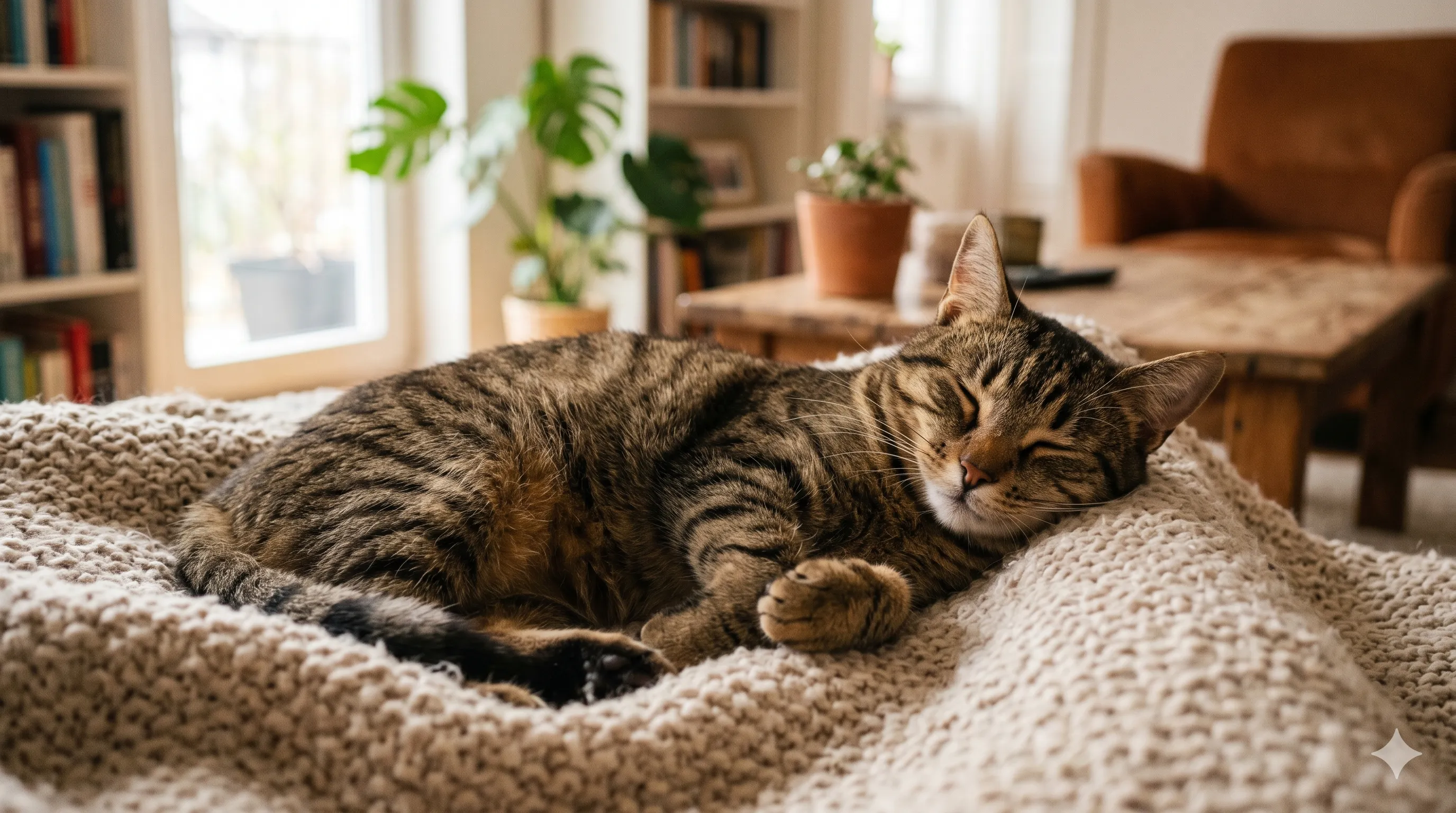
Does Loud Purring Always Mean Happiness?
No loud purring does not always mean your cat is happy.
Although comfort and affection are the most common reasons for purring, cats may also purr during:
- Stress
- Anxiety
- Pain
- Fear
- Recovery from injury
- Emotional discomfort
This is why body language and context are extremely important.
A relaxed cat showing soft eyes, stretching, kneading, and calm posture is very different from a cat hiding, refusing food, or acting withdrawn while purring.
Signs Your Cat's Loud Purring Is Positive
Healthy relaxed purring is often accompanied by:
- Slow blinking
- Kneading
- Relaxed body posture
- Stretching
- Sleeping comfortably
- Seeking affection
- Normal eating behavior
These signs usually indicate your cat feels emotionally comfortable and safe.
When Should You Be Concerned About Loud Purring?
Loud purring becomes more concerning when combined with major physical or behavioral changes.
Potential warning signs include:
- Loss of appetite
- Hiding constantly
- Low energy
- Breathing changes
- Aggressive behavior
- Pain sensitivity
- Sudden personality changes
Understand why cats hide when they feel stressed or overwhelmed. understanding common stress triggers, like litter box issues, can help identify emotional discomfort earlier
If your cat suddenly begins purring excessively while also appearing unwell, stressed, or withdrawn, a veterinary evaluation may be appropriate.
Common Situations Explained
Why Does My Cat Purr Loudly While Sleeping?
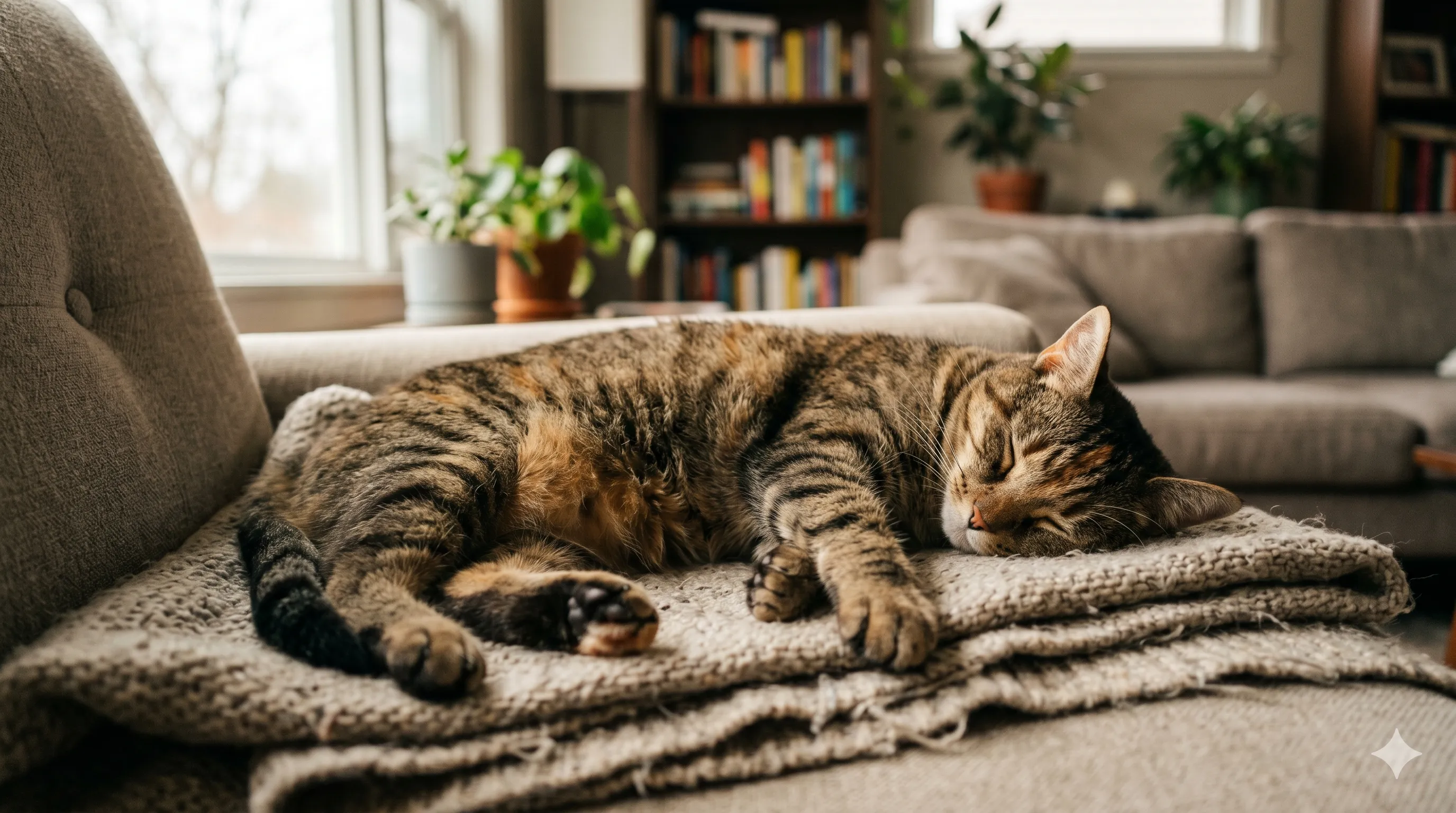
Many cats purr during relaxed sleep or drowsy states because they feel emotionally secure and physically comfortable.
This is usually a positive sign.
Why Does My Cat Purr Loudly While Kneading?
Kneading and purring are strongly connected comfort behaviors that often originate from kittenhood bonding instincts.
Together, these behaviors usually indicate emotional relaxation and security.
Why Does My Cat Suddenly Purr More Than Before?
Sudden changes in purring behavior may happen because of:
- Increased bonding
- Attention-seeking
- Stress
- Aging
- Health changes
- Environmental changes
Context and accompanying symptoms are important when interpreting the meaning.
How to Respond the Right Way
1. Observe Body Language Carefully
Purring alone does not tell the full story.
Pay attention to your cat's posture, appetite, energy levels, and social behavior as well.
2. Encourage Calm Bonding Time
Many cats purr most during calm interaction and emotional connection with trusted humans.
3. Avoid Ignoring Major Behavior Changes
If loud purring suddenly appears alongside unusual behavior, monitor the situation closely instead of assuming everything is normal.
4. Maintain a Stable Environment
Cats generally feel emotionally safer in predictable and low-stress environments.
Common Mistakes Owners Make
- Assuming purring always means happiness
- Ignoring signs of stress or illness
- Overlooking appetite or energy changes
- Misreading anxious body language
- Punishing attention-seeking behavior
Example Scenario
The scenario below is an illustrative example of how this situation can play out, not a documented case study.
A normally quiet indoor cat suddenly began purring much louder than usual while also hiding more frequently and eating less.
Initially, the owner assumed the purring meant the cat felt happy and affectionate. However, after noticing ongoing appetite changes and withdrawal behavior, a veterinary checkup revealed an underlying dental problem causing discomfort.
This type of situation shows why body language and behavioral context matter much more than purring volume alone.
Final Thoughts
Loud purring is usually one of the clearest signs that your cat feels emotionally connected, relaxed, comfortable, or socially engaged.
For most cats, loud purring reflects trust, affection, comfort, and emotional bonding with the people and environment around them.
Understanding why cats purr loudly helps explain emotional and bonding behaviors more accurately. loud purring often appears alongside other bonding signals, such as staring at you affectionately
As long as your cat's overall behavior remains healthy and balanced, loud purring is usually a positive and reassuring sign.
This content is written to provide general educational guidance for cat owners and pet families and is not a substitute for professional veterinary advice.
Medical Disclaimer
This content is provided for informational and educational purposes only and should not be considered veterinary, medical, behavioral, or training advice. While we strive for accuracy, we make no guarantees regarding completeness or results. Always consult a licensed veterinarian or qualified pet care professional before making decisions about your pet’s health, diet, or behavior.
AI Illustration Notice
Some images in this article may have been generated or enhanced using artificial intelligence for illustrative purposes.
Frequently Asked Questions
Cats usually purr loudly because they feel comfortable, emotionally bonded, relaxed, or socially connected with trusted people.
No, cats may also purr during stress, anxiety, pain, fear, or illness as a self-soothing behavior.
Some cats purr during illness or discomfort because purring may help regulate stress and emotional tension.
Loud purring is usually harmless, but concern is reasonable if it appears alongside hiding, appetite loss, low energy, or unusual behavior.
Sudden increases in purring may happen because of emotional bonding, stress, attention-seeking, illness, or environmental changes.
Many cats purr loudly while sleeping because they feel safe, warm, relaxed, and emotionally secure.
Yes, stressed or anxious cats may purr loudly as a calming or self-soothing response.
Purring and kneading are closely connected comfort behaviors that often indicate trust, relaxation, and emotional security.
Editorial Note
This article is part of PetNurture's educational library.
Topics draw on publicly available educational resources, recognised veterinary organisations, academic publications and established animal welfare references where appropriate.
The specific sources this article draws on are listed in its References section. If you spot an error, please let us know.
References
The information in this article has been reviewed and supported using the following sources.
PetMD
Why Do Cats Purr? 5 Meanings Behind a Purring Cat
Confirms purring occurs during contentment but also during pain, illness, or anxiety as a coping mechanism; supports the 'Does Loud Purring Always Mean Happiness' and 'Loud Purring Can Sometimes Appear During Illness or Discomfort' sections of this article.
Accessed Aug 6, 2026
Cornell University College of Veterinary Medicine (Feline Health Center)
Supports the link between sudden behavioral changes in senior cats and underlying medical causes referenced in the 'When Should You Be Concerned About Loud Purring' section of this article.
Accessed Aug 6, 2026
Pet Emergency Guidance
Every pet is unique. If your pet exhibits severe symptoms, sudden behavioral changes, or a medical emergency, do not rely on online guides — contact a licensed veterinarian or emergency clinic immediately.
About PetNurture
PetNurture is an educational library of pet care guides, interactive tools and practical resources for pet parents. We work continuously to keep our content accurate and up to date. Reader feedback helps us maintain content quality.
Related Articles
Popular Cat Guides
Cat
Cat Feeding Calculator
Calculate how much food your cat needs daily based on weight, age, and activity level.