Black Cat Facts: Adoption Myths and What Studies Show
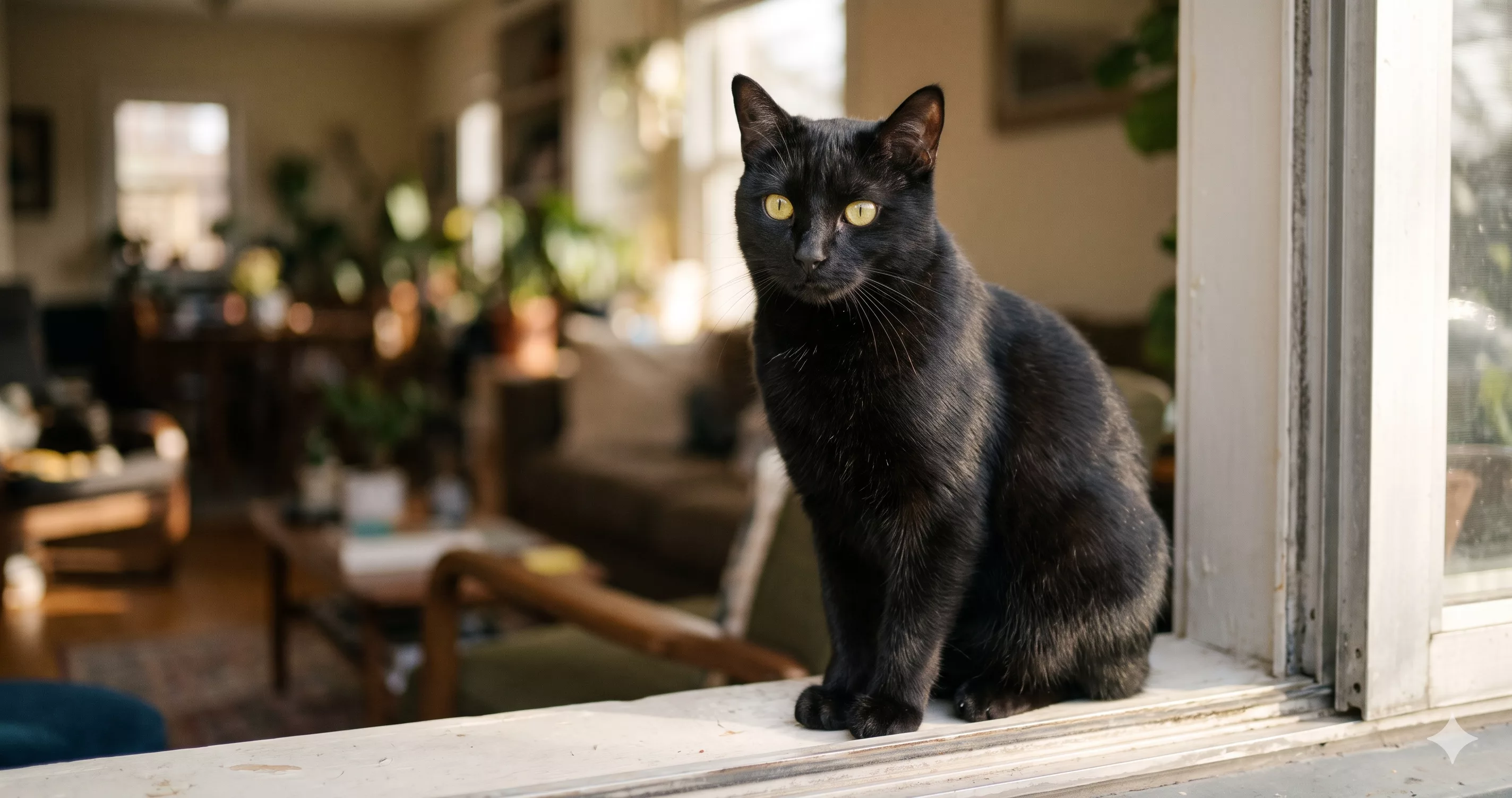
Are black cats really adopted more slowly, and are any of the old stories about them true? The honest answer is that the…
Pick who the name is for, a style and, if you like, your cat's coat colour. You get 12 names at a time from a hand-picked list of 615 names. Save the ones you like and keep shuffling.
This generator picks cat names at random from a hand-picked list, filtered by gender, style, coat colour and length. PetLog and Purina advise short names of one or two syllables, a name that does not sound like a command such as "come" or "no", and one that is distinct from the names of other people and pets at home. In Canada, Luna, Leo and Milo are among the most common cat names, according to a news report of Spot Pet Insurance's 2025 claims data.
Choose who the name is for, a style and, if you like, a coat colour and length, then generate 12 names at a time.
PetLog, the UK microchip registration service, and Purina, in an article for kitten owners, give these points. Neither is a veterinary body, so treat them as practical tips.
Spot Pet Insurance analysed its 2025 insurance claims data for the most common pet names in Canada, as reported by Kamloops BC Now. The data covers insured pets only, so it may not match all pets. We have not read Spot's own release, so this list comes from the news report.
There is no formula. The names come from a hand-picked list of ordinary given names and words that we wrote ourselves, grouped by style and colour, and the tool filters and shuffles it.
Gender tags and syllable counts are our own judgement, checked by hand. The cue look-alike tag covers one-syllable names that rhyme with common cues (for example Jake, Lake, Snow, Steel, Coal); it extends the PetLog and Purina advice and is not their list. Matching pairs come from a separate hand-picked list and ignore the style and colour choices.
This tool provides an estimate, not a diagnosis. Keep these limitations in mind when reading your result:
An example run for a girl cat with an elegant name.
General public resources referenced while researching this tool's topic.
This tool is part of PetNurture's educational library. Its formulas and guidance draw on publicly available educational resources, recognised veterinary organisations, and established animal welfare references where appropriate — see the References section below for the specific sources used on this page.
It is provided for general educational purposes and is not a substitute for advice, diagnosis, or treatment from a qualified veterinarian.
The information provided by this tool is for general educational and informational purposes only. Results are estimates, not a diagnosis, and may vary based on your pet's breed, age, health conditions, activity level, diet, and individual factors.
PetNurture does not provide veterinary, medical, or emergency care advice. Always consult a licensed veterinarian or qualified pet care professional regarding your pet's specific health, nutrition, or medical needs.
While we strive to keep calculations accurate and up to date, PetNurture makes no guarantees regarding completeness, reliability, or accuracy. Use this tool at your own discretion.
How we calculate results: This tool uses commonly referenced veterinary formulas, feeding guidelines, and breed-size estimates to provide general educational guidance. Individual pets may have different nutritional, behavioral, or medical needs that are not captured by any generalized formula.
Join our newsletter for simple care guides, feeding charts, and free pet-care tools.