Dog Heatstroke Symptoms: First Aid, Treatment & Prevention Guide
- Why Heatstroke Is a Real Emergency for Dogs
- Early Warning Signs of Heatstroke in Dogs
- Mild to Moderate Signs
- Severe Signs That Require Immediate Emergency Care
- What Causes Dogs to Overheat
- High-Risk Breeds and Body Types
- Hot Cars Are Never Safe
- Hot Pavement and Paw Burns
- Humidity Makes It Worse Than Temperature Alone
- Senior Dogs and Very Young Puppies Need Extra Caution
- Heatstroke First Aid: What to Do in the First 10 Minutes
- What to Expect at the Emergency Vet
- Recovery and What Happens Next
- How to Prevent Heatstroke Before It Starts
- Time Walks Around the Heat
- Grooming and Coat Care
- Heat-Safe Exercise Alternatives
- Hydration Habits
- Expert Tips for Hot-Weather Dog Safety
- Common Mistakes That Make Heatstroke Worse
- Final Thoughts
Note: This article is for informational purposes only and does not replace professional veterinary advice.
Quick Answer
If a dog shows signs of heatstroke, move it to shade or air conditioning immediately and cool it with lukewarm (not ice-cold) water on the paws, belly, and neck. Offer small sips of water if the dog is alert, then head straight to an emergency vet even if symptoms seem to improve.
A dog can go from playful to dangerously overheated in under fifteen minutes on a hot day, and the difference between a full recovery and a life-threatening emergency often comes down to how fast an owner recognizes the signs and reacts. Heatstroke happens when a dog's body temperature climbs high enough to start damaging organs, and it can strike during an ordinary walk, a car ride, or a few unsupervised minutes in a sunny yard. This guide covers the early warning signs that separate normal panting from a true emergency, the exact first-aid steps to take before reaching a vet, the mistakes that make heatstroke worse, and the prevention habits that keep it from happening in the first place.
Why Heatstroke Is a Real Emergency for Dogs
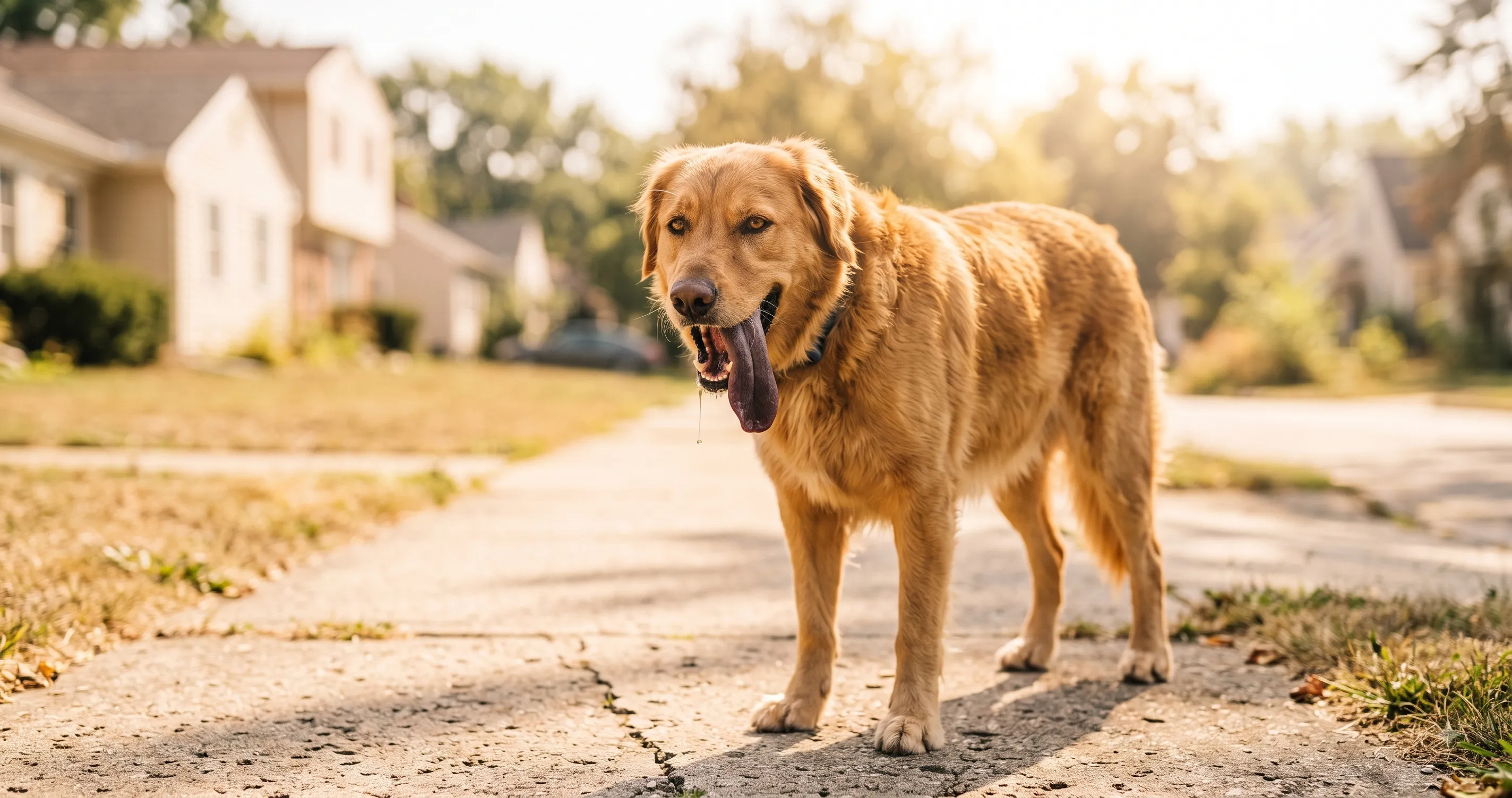
Dogs cool down mostly by panting since they only sweat through their paw pads, which makes them far less efficient at releasing heat than humans are. Once a dog's core temperature climbs past roughly 103°F the body starts struggling to keep pace, and once it crosses roughly 106°F organ damage can begin within minutes rather than hours.
This is why heatstroke escalates so fast and why waiting to see if a dog cools down on its own is one of the riskiest choices an owner can make. A dog does not need to collapse for heatstroke to already be causing internal harm, so early recognition matters more than any single treatment step that comes after it.
Early Warning Signs of Heatstroke in Dogs
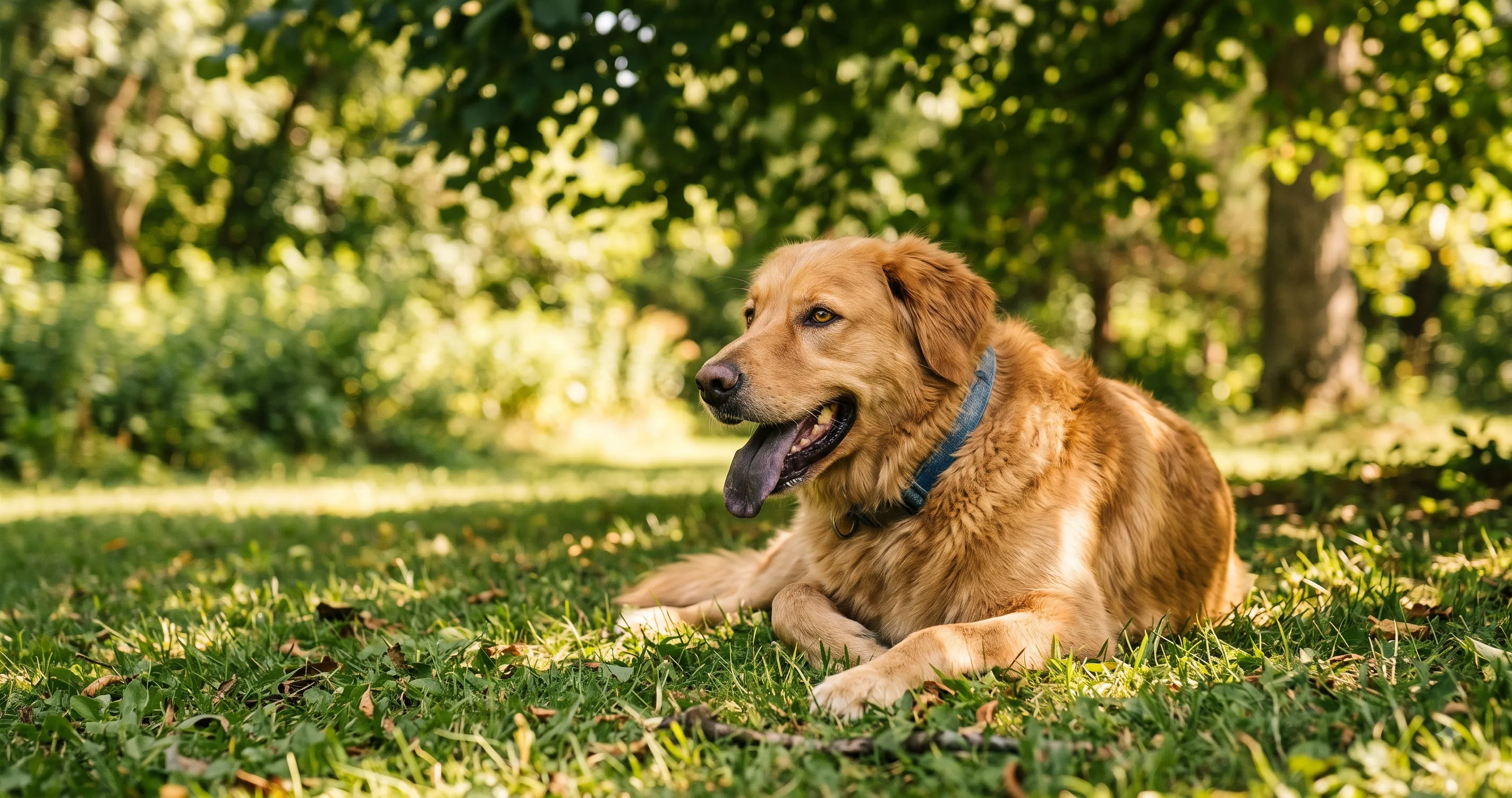
Every dog pants after play or on a warm afternoon, so the real challenge is telling normal cooling apart from a dog whose body has stopped keeping up. The signs below are grouped by how urgent they are.
Mild to Moderate Signs
- Heavy panting that does not slow down after several minutes of rest and shade
- Bright red gums or tongue
- Thick sticky drool instead of normal light drool
- Restlessness or a noticeable reluctance to keep moving
- A warm dry nose paired with heavy breathing
Severe Signs That Require Immediate Emergency Care
- Stumbling, loss of coordination, or an unwillingness to stand
- Vomiting or diarrhea, which may contain blood in advanced cases
- Gums that turn pale, gray, or bluish instead of pink
- Seizures, collapse, or loss of consciousness
- Glazed unfocused eyes or confusion that seems out of character
Any dog showing a sign from the severe list needs emergency veterinary care immediately and should not wait for cooling attempts to finish first. For mild to moderate signs, move the dog to shade or air conditioning right away and begin the first-aid steps below while watching closely for escalation.
What Causes Dogs to Overheat
Heatstroke is not only about the number on a thermometer. Humidity, body type, age, weight, and the surface a dog is standing on all change how quickly a body temperature becomes dangerous.
High-Risk Breeds and Body Types
Brachycephalic breeds such as bulldogs, pugs, and boxers have shortened airways that make panting a much less effective cooling method. Senior dogs, overweight dogs, and dogs with thick double coats also overheat faster than a lean short-coated adult dog because their bodies either work harder to move or trap more heat close to the skin.
Hot Cars Are Never Safe
A parked car heats up far faster than most owners expect. On a mild seventy degree day the inside of a car can climb past one hundred degrees within about ten minutes even with a window cracked, and cracking a window does not meaningfully slow that rise. There is no safe amount of time to leave a dog alone in a parked car regardless of the outside temperature.
Hot Pavement and Paw Burns
Asphalt and dark pavement can run thirty to forty degrees hotter than the air temperature on a sunny afternoon, which is hot enough to burn paw pads within seconds. Dogs that are already overheating and then walking on scorching pavement face two problems at once, and licking or chewing at sore paws afterward is a common sign that hot pavement can burn paw pads during a hot-weather walk.
Humidity Makes It Worse Than Temperature Alone
Panting only cools a dog through evaporation, so on a humid day that evaporation slows dramatically even if the air temperature itself is not extreme. A dog can overheat on an eighty-two degree humid afternoon just as easily as on a drier ninety-five degree day, which is why humidity deserves as much attention as the number on a thermometer. Checking a combined heat-and-humidity index rather than air temperature alone gives a much more accurate picture of real risk before heading outside.
Senior Dogs and Very Young Puppies Need Extra Caution
A dog's ability to regulate temperature is not fixed across its whole life. Senior dogs often have less efficient circulation and may have underlying heart or respiratory conditions that make heat regulation harder, while very young puppies have less developed temperature control and smaller reserves of body water to draw on. Both groups can move from mild warmth to real distress faster than a healthy adult dog, so shorter outings and closer supervision during hot stretches make sense for dogs at either end of the age range.
Heatstroke First Aid: What to Do in the First 10 Minutes
The guiding rule among emergency veterinarians is to cool first and transport second, meaning cooling should begin immediately rather than waiting until a dog is already in the car.
- Move to shade or air conditioning immediately. Stop whatever activity is happening and get the dog out of direct sun or a hot vehicle right away.
- Check for severe signs. Look for the emergency-level symptoms listed above so cooling and transport can start at the same time if any are present.
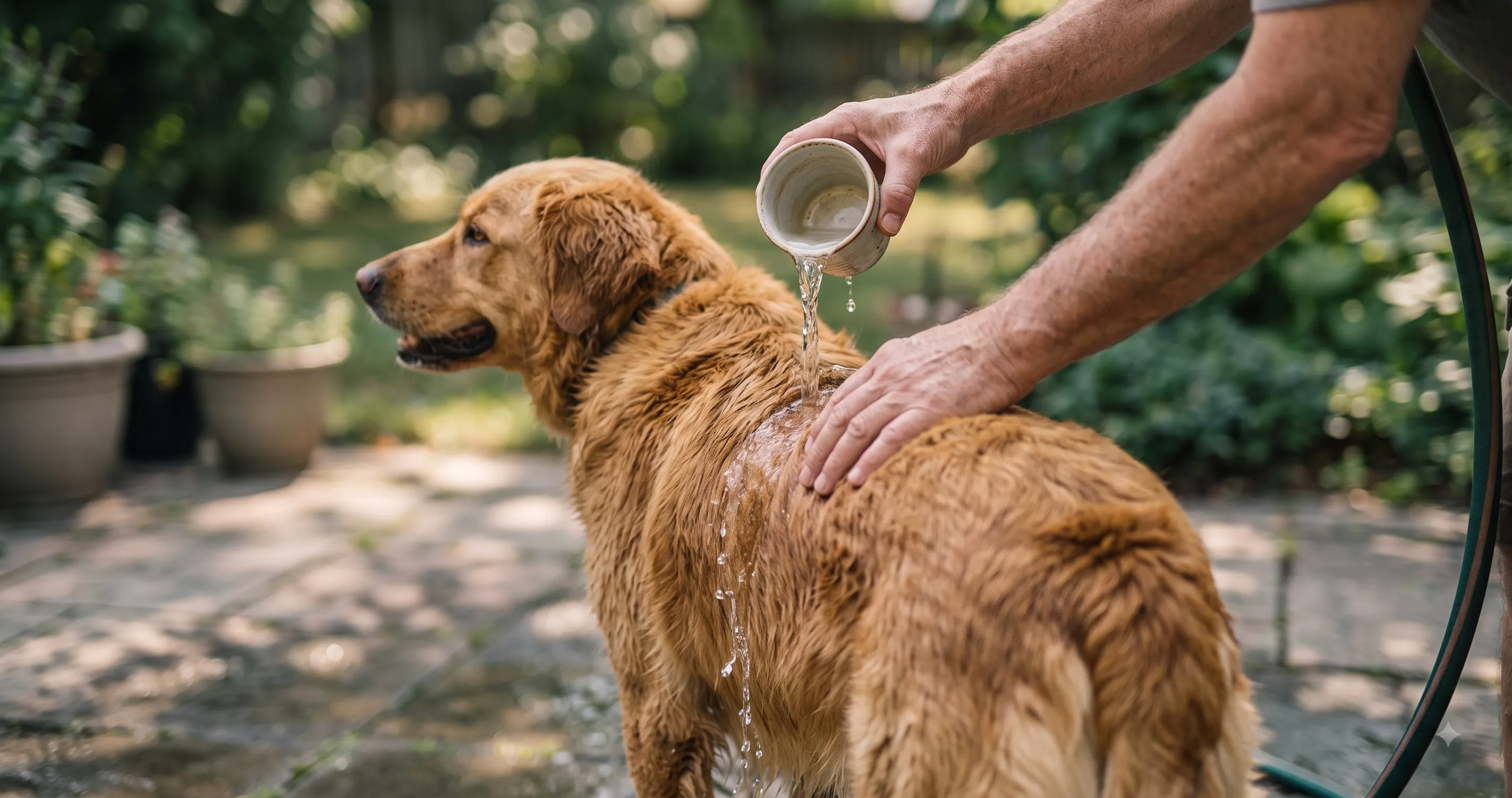
- Begin cooling with cool or lukewarm water, never ice-cold water. Wet the paws, belly, ears, and neck with a hose, damp towels, or a shallow basin of water, focusing on areas with less fur and closer blood flow to the skin.
- Offer small amounts of water if the dog is fully alert. Let the dog drink on its own in small sips rather than forcing water into the mouth of a disoriented or unsteady dog.
- Head to an emergency vet right away, even if symptoms seem to be improving. Continue light cooling on the way and stop once panting slows and gums return to a normal pink color.
- Do not consider the situation resolved just because the dog looks better. Internal organ damage from heatstroke can appear twelve to forty-eight hours later, so a veterinary exam is still necessary even after an apparent recovery.
What to Expect at the Emergency Vet
At the clinic, a vet typically confirms the dog's temperature, starts IV fluids to support circulation and kidney function, and runs bloodwork to check for clotting problems and organ stress that are not visible from the outside. Oxygen support and continued monitoring are common for more severe cases, and a dog may need to stay for observation for several hours even after its temperature has returned to a safer range. None of this is something to try to replicate at home. Home cooling exists to buy time on the way to care rather than to replace it.
Recovery and What Happens Next
A dog recovering from heatstroke often needs a quiet low-activity day or two afterward, but prolonged lethargy after heat exposure is worth a follow-up call to the vet rather than being written off as ordinary tiredness. Bloodwork at the vet visit can catch kidney or clotting issues that are not visible from the outside, which is exactly why the emergency visit should never be skipped even once a dog seems back to normal.
How to Prevent Heatstroke Before It Starts
Most heatstroke cases are preventable with a few consistent habits built around timing, hydration, and knowing an individual dog's risk factors.
Time Walks Around the Heat
Early morning and late evening are almost always cooler than midday, so shifting walks to those windows during summer months lowers risk without cutting exercise out entirely.
Grooming and Coat Care
A well-maintained coat actually helps regulate temperature better than a shaved one does for most breeds since fur provides some insulation from direct sun, and regular cooling baths for dogs can also support healthier skin and airflow through a heavy coat during warmer months.
Heat-Safe Exercise Alternatives
On days when outdoor activity is not safe, indoor games keep dogs active without any heat exposure at all.
Hydration Habits
Fresh water should be available at all times, not just during a walk. Offering extra water before and after any outdoor activity helps a dog start well-hydrated instead of catching up after the fact once panting has already picked up.
Expert Tips for Hot-Weather Dog Safety
- Press the back of a hand against pavement for five seconds. If it is too hot to hold a hand there comfortably it is too hot for paw pads, and switching to grass or a shaded route protects them just as well.
- Learn what a dog's normal panting looks like on an average day so a change from that baseline is easier to notice quickly during a heat wave.
- Keep a rectal thermometer at home if a dog is a high-risk breed since a reading above 103°F is worth calling a vet about even without other symptoms present yet.
- Use a cooling mat or a damp towel in a dog's resting area during heat waves rather than relying on fans alone, since fans move warm air around instead of lowering it.
- Carry a portable water bowl and a spray bottle on summer walks for quick cooling before symptoms start rather than after they appear.
- Build up heat tolerance gradually at the start of summer instead of jumping straight into a full-length walk on the first hot day of the season.
Common Mistakes That Make Heatstroke Worse
- Using ice-cold water or ice packs directly on the skin, which can cause blood vessels to constrict and actually trap heat inside the body instead of releasing it
- Waiting to see if a dog cools down on its own before heading to a vet, even after symptoms appear to improve
- Forcing water into a disoriented dog's mouth, which raises the risk of the dog inhaling water into its lungs
- Assuming a short walk or a few minutes in a parked car is safe because it does not feel that hot outside
- Skipping the follow-up vet visit once panting slows down and missing organ damage that can surface a day or two later
Final Thoughts
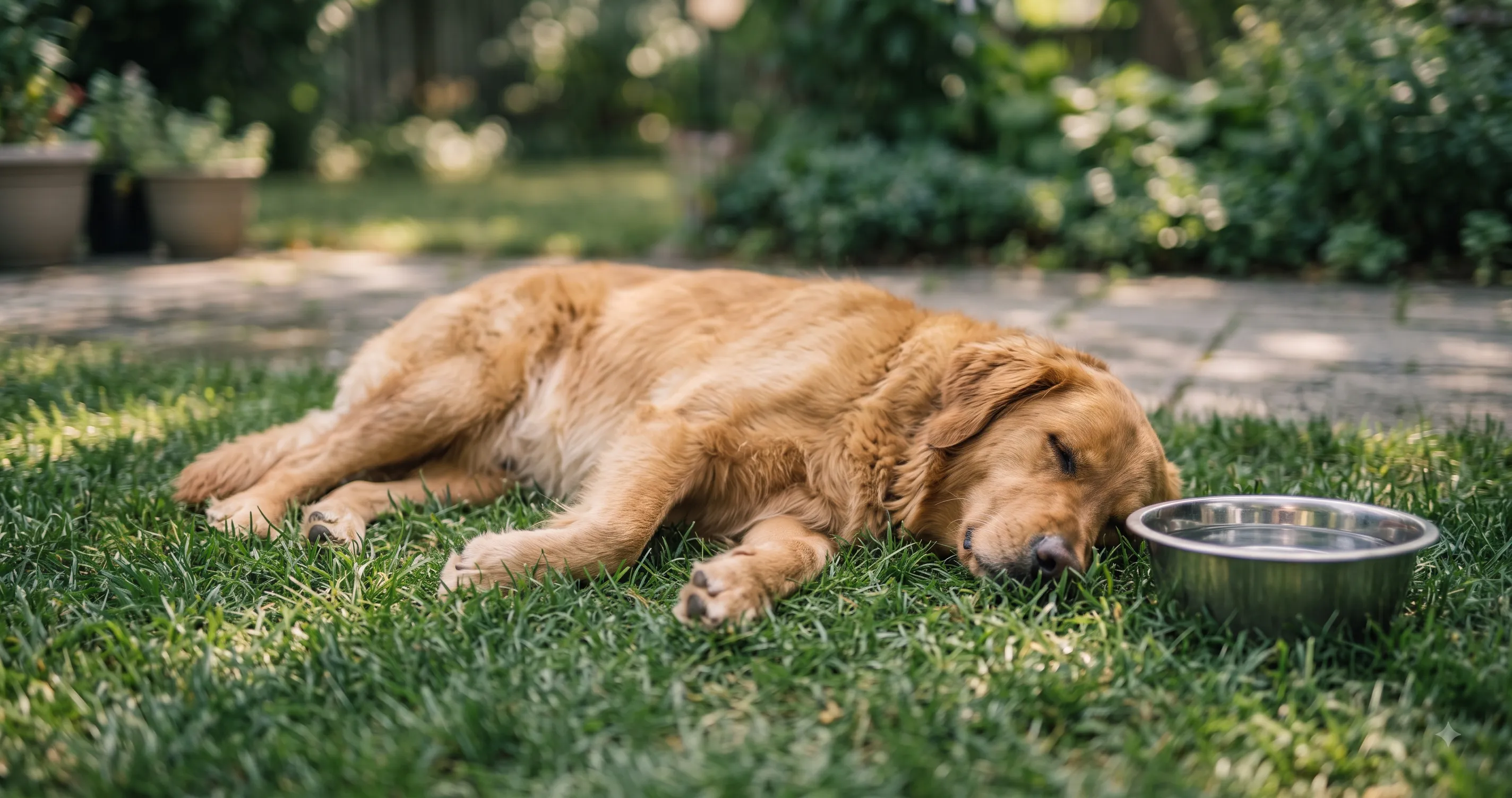
Heatstroke in dogs moves fast, but it is also one of the more preventable emergencies a pet owner will ever face once the warning signs and risk factors are understood. Knowing the difference between ordinary panting and a true emergency, cooling a dog correctly instead of relying on ice water, and reaching a vet even after symptoms seem to fade are the habits that keep a hot afternoon from turning into a crisis.
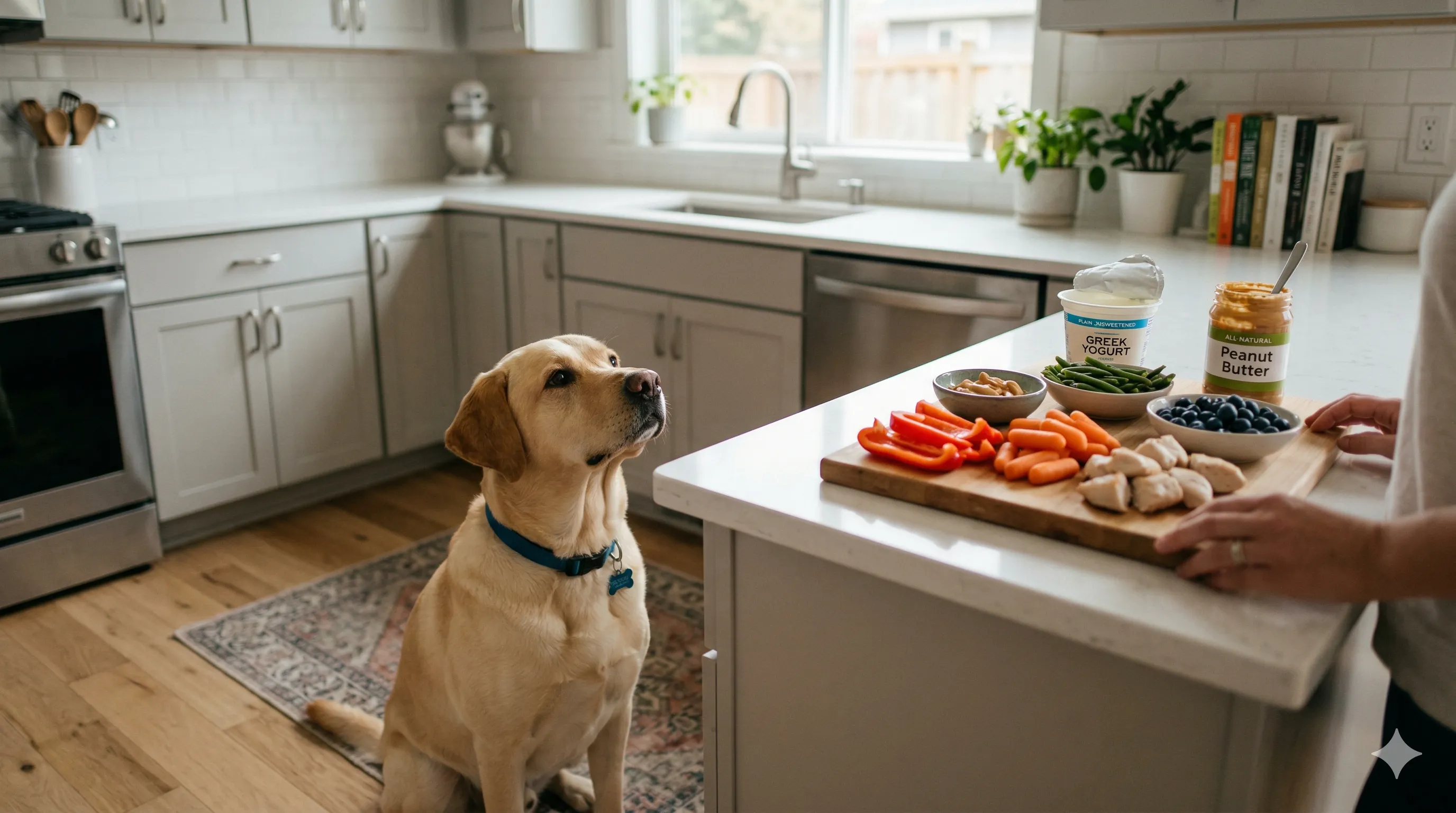
For more ways to support hydration and safe treats during warm weather, take a look at hydrating dog-safe treats and foods to round out a dog's daily routine beyond the walk itself.
The fastest way to protect a dog from heatstroke is recognizing the early signs and cooling with lukewarm water immediately rather than waiting to see if symptoms pass on their own.
This guide is for general education and is not a substitute for veterinary care. Any dog showing signs of heatstroke should be seen by a veterinarian, even after cooling and apparent recovery.
Medical Disclaimer
This content is provided for informational and educational purposes only and should not be considered veterinary, medical, behavioral, or training advice. While we strive for accuracy, we make no guarantees regarding completeness or results. Always consult a licensed veterinarian or qualified pet care professional before making decisions about your pet’s health, diet, or behavior.
AI Illustration Notice
Some images in this article may have been generated or enhanced using artificial intelligence for illustrative purposes.
Frequently Asked Questions
The earliest signs are heavy panting that does not slow down after rest and bright red gums or thick sticky drool. Restlessness and a reluctance to keep moving often show up around the same time. Move the dog to shade or air conditioning as soon as any of these appear.
There is no single universal number because humidity and pavement heat matter as much as air temperature. A simple test is pressing the back of your hand to the pavement for five seconds. If it feels too hot for your hand it is too hot for paw pads.
Mild overheating that resolves quickly with shade and water may not need emergency care. True heatstroke with severe symptoms always needs a vet visit even if the dog appears to improve because organ damage can surface a day or two later.
No. Ice-cold water can cause blood vessels near the skin to constrict which traps heat inside the body instead of releasing it. Cool or lukewarm water applied to the paws belly and neck is the safer and faster cooling method.
It can happen in as little as ten minutes. A parked car can climb well past one hundred degrees on a mild seventy degree day even with a window cracked. No amount of time in a parked car is considered safe.
Brachycephalic breeds such as bulldogs pugs and boxers are at the highest risk because their airways make panting less effective. Senior dogs overweight dogs and dogs with thick double coats also overheat faster than a lean short-coated adult dog.
A healthy dog normally runs between 101°F and 102.5°F. A reading at or above 103°F is worth a call to the vet and anything past 106°F is considered an emergency requiring immediate cooling and transport.
Yes. Heatstroke can damage the kidneys liver and brain and can be fatal without fast treatment. This is why cooling should start the moment symptoms appear rather than waiting to see how a dog looks after a few minutes.
Normal panting slows within a few minutes once a dog rests in shade or indoors. Panting that stays heavy well past ten minutes of rest or that comes with red gums thick drool or wobbliness is a warning sign rather than ordinary cooling.
Move the dog to shade immediately and begin cooling with lukewarm water on the paws belly and neck while someone else calls or drives to an emergency vet. Do not wait to see if the dog wakes up on its own since collapse is a severe emergency sign.
Normal vs. Concerning Symptoms
A general guide to help you tell everyday variation apart from something worth a vet visit. This is educational context, not a diagnosis.
| Symptom | What's Normal | When to Be Concerned |
|---|---|---|
| Panting | Heavy after play or heat that noticeably slows within a few minutes of rest and shade | Heavy panting that does not slow down after 10+ minutes of rest and shade |
| Gums and tongue | Pink and moist | Bright red, pale, gray, or bluish and tacky or dry to the touch |
| Energy and movement | Tired after exercise but alert, responsive, and steady on its feet | Wobbly, disoriented, stumbling, or unwilling to stand |
| Drool | Light drool that comes with normal panting | Thick, ropey drool or excessive foaming at the mouth |
What Should I Do Next?
A general decision guide — always use your own judgement and contact a veterinarian for anything beyond routine care.
- Move the dog to shade or air conditioning Stop the activity immediately and get the dog out of direct sun or a hot vehicle before doing anything else.
- Check for severe warning signs Look for collapse, seizures, pale or bluish gums, or loss of coordination so cooling and transport can start together if any appear.
- Cool with lukewarm water, never ice-cold Wet the paws, belly, ears, and neck using a hose, damp towels, or a shallow basin of cool water.
- Offer small sips of water if fully alert Let the dog drink on its own rather than forcing water into the mouth of a disoriented dog.
- Head to an emergency vet immediately Go even if symptoms appear to be improving, continuing light cooling along the way.
- Follow up after apparent recovery Watch closely for 24 to 48 hours since organ damage from heatstroke can surface after symptoms seem to have passed.
Common Mistakes
- Using ice-cold water or ice packs directly on the skin, which can cause blood vessels to constrict and trap heat inside the body
- Waiting to see if a dog cools down on its own before heading to a vet, even after symptoms appear to improve
- Forcing water into the mouth of a disoriented dog, which raises the risk of the dog inhaling water into its lungs
- Assuming a short walk or a few minutes in a parked car is safe because it does not feel that hot outside
- Skipping the follow-up vet visit once panting slows down and missing organ damage that can surface a day or two later
Prevention Tips
- Walk dogs in the early morning or late evening when pavement and air temperatures are lowest
- Press the back of a hand to pavement for five seconds; if it is too hot for a hand it is too hot for paws
- Never leave a dog in a parked car, even briefly, even with windows cracked or on a mild day
- Keep fresh water available at all times and offer extra hydration before and after outdoor activity
- Watch brachycephalic breeds, senior dogs, overweight dogs, and thick-coated breeds extra closely since they overheat faster
- Provide shaded rest areas and use a cooling mat or damp towel during peak summer months
Illustrative Example
Consider a dog on an early-afternoon walk during a summer heatwave. Ten minutes in, the panting turns heavy and does not ease even after a rest stop in shade, and the dog starts drooling more than usual and slowing down. An attentive owner treats this as an early warning sign rather than simple tiredness, heading straight home and offering water in a cool room instead of pushing on to finish the walk. Twenty minutes later the panting has settled and the dog is resting normally. Because early signs were caught before gum color changed or coordination was affected, no emergency visit was needed. The same walk continued for another twenty minutes with the panting ignored could plausibly have progressed to the severe signs described above, which is why treating early warning signs as a stopping point rather than a pace-through moment matters.
Practical Checklist
- Check the pavement temperature with the five-second hand test before walking
- Bring a portable water bowl and offer water before, during, and after the walk
- Plan the route around shaded areas rather than direct sun
- Watch panting closely and stop at the first sign it is not slowing with rest
- Know the location and phone number of the nearest emergency vet before heading out
- Skip the walk entirely and use an indoor activity if the heat index is extreme
Editorial Note
This article is part of PetNurture's educational library.
Topics draw on publicly available educational resources, recognised veterinary organisations, academic publications and established animal welfare references where appropriate.
The specific sources this article draws on are listed in its References section. If you spot an error, please let us know.
References
The information in this article has been reviewed and supported using the following sources.
American Kennel Club
Heatstroke in Dogs: Signs, Symptoms, Treatments
Confirms the panting-based cooling limitations, key warning signs, and the recommendation to seek emergency care even after apparent improvement; supports the Warning Signs and First Aid sections of this article.
Accessed Aug 13, 2026
PetMD
Heatstroke in Dogs: Signs, Treatment, and Prevention
Confirms cool-water cooling over ice-cold water, the 103 to 106 degree temperature thresholds, and the risk of delayed organ damage; supports the Common Mistakes and First Aid sections of this article.
Accessed Aug 13, 2026
Pet Emergency Guidance
Every pet is unique. If your pet exhibits severe symptoms, sudden behavioral changes, or a medical emergency, do not rely on online guides — contact a licensed veterinarian or emergency clinic immediately.
About PetNurture
PetNurture is an educational library of pet care guides, interactive tools and practical resources for pet parents. We work continuously to keep our content accurate and up to date. Reader feedback helps us maintain content quality.
Related Articles
Popular Dog Guides
Dog
Dog Feeding Calculator
Calculate how much food your dog needs daily based on weight, age, and activity level.
Dog
Dog Calorie Calculator
Find the right daily calorie target for your dog's weight and activity level.
Dog
Dog Chocolate Toxicity Calculator
Assess chocolate toxicity risk based on your dog's weight and the amount eaten.