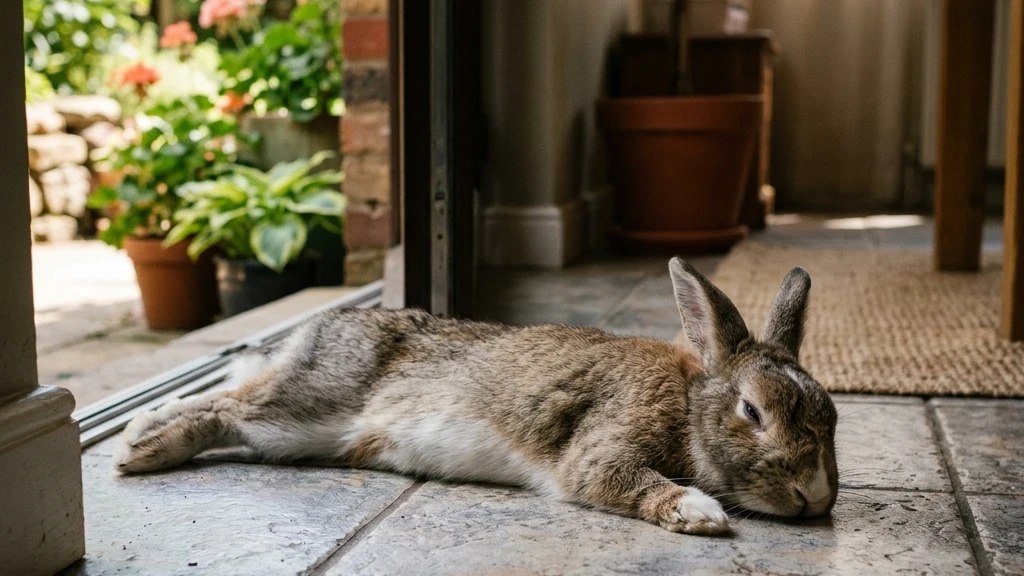
How to Adopt a Rescue Rabbit: Step-by-Step Guide
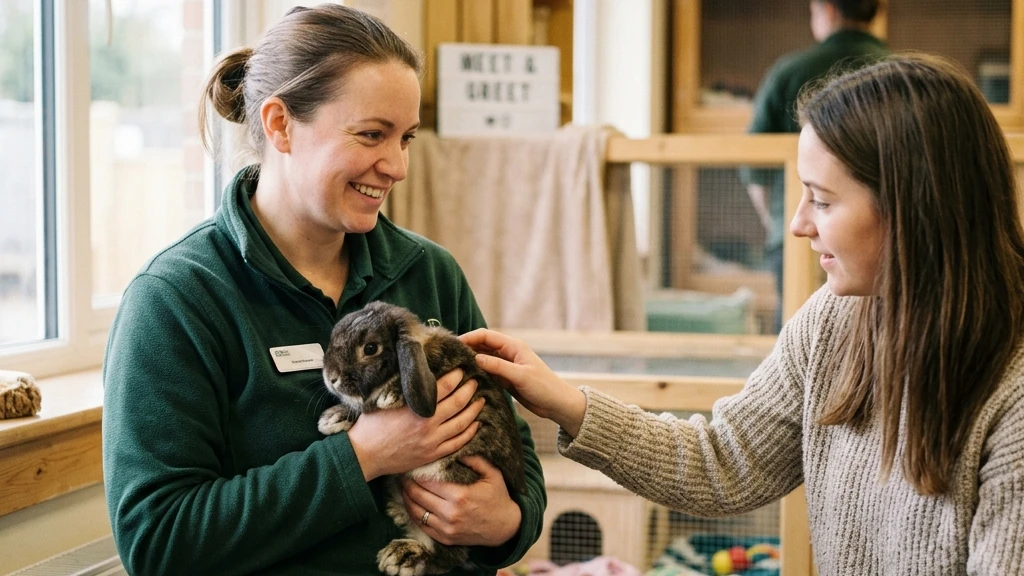
Note: This article is for informational purposes only and does not replace professional veterinary advice.
Quick Answer
The RSPCA says many of its rabbits are adopted as bonded pairs, adopters must be 18 or over, renters need landlord permission, and applicants hear back within 48 hours. Fees vary by centre.
Rescues have their own rules, and the sources we read describe what the RSPCA asks of adopters and what the House Rabbit Society and Rabbit Welfare Association say about long-term commitment. Each rescue sets its own process, so check with yours.
How to Adopt a Rescue Rabbit (Quick Answer)
The RSPCA says many rabbits available for adoption are bonded pairs that must be adopted together, and that rabbits are health checked and neutered where possible. It asks adopters about space, lifestyle and other pets.
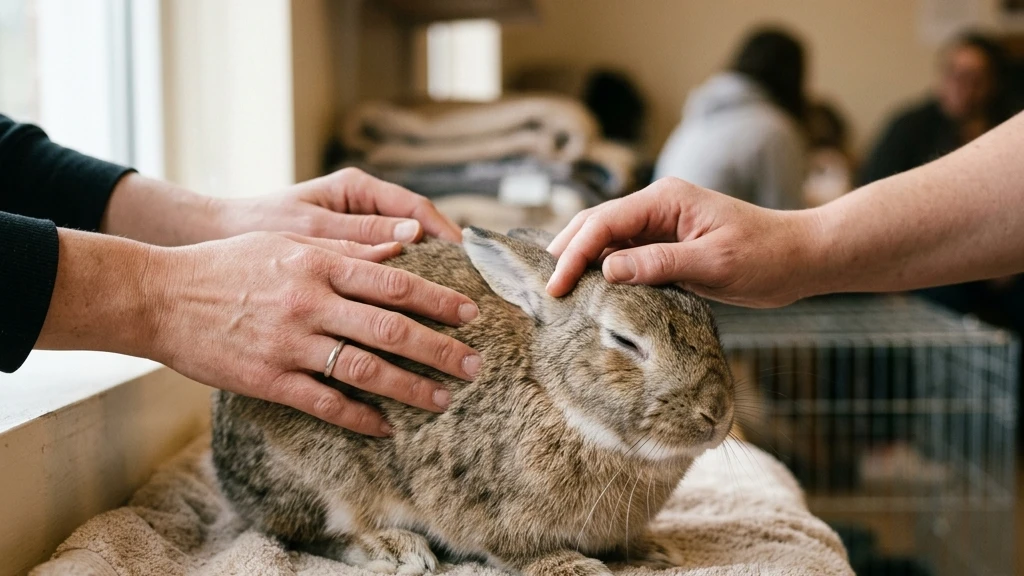
What the RSPCA Says
- Applicants should hear back within 48 hours.
- Adopters must be 18 or over and have landlord permission if they rent.
- Fees vary by centre and help cover microchipping, vaccinations where available, neutering where appropriate and veterinary checks.
- The adoption FAQ recommends at least 6ft x 2ft x 2ft for two average-sized rabbits plus constant access to a large exercise run. The RSPCA home page recommends at least 3m x 2m x 1m for two medium rabbits. The two figures differ.

Commitment: Sources Differ
| Source | Lifespan |
|---|---|
| RSPCA | 8 to 12 years or longer |
| House Rabbit Society | 10 to 15 years with proper care |
| Rabbit Welfare Association | 10 years or longer |
The Rabbit Welfare Association says rabbits can cost up to £11,000 over a lifetime. The House Rabbit Society says rabbits need annual checkups with a rabbit-savvy veterinarian.
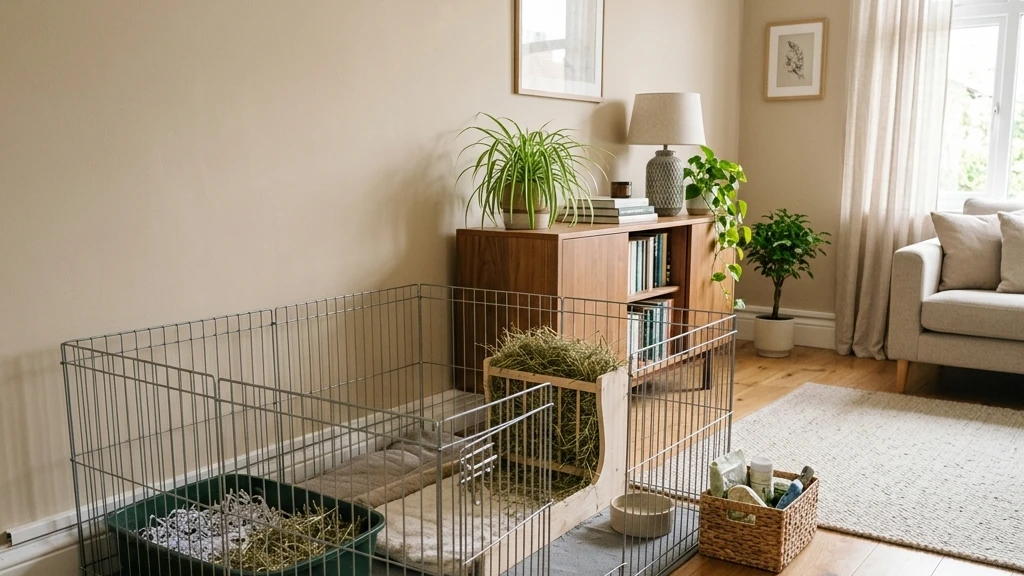
Before You Adopt
- The Rabbit Welfare Association says research confirms rabbits suffer stress and loneliness alone and recommends neutered pairs or compatible groups.
- The Rabbit Welfare Association says rabbits do not like being picked up and carried.
See our guides to how to take care of a rabbit and rabbit cage setup.
What We Could Not Find a Source For
We found no source on adoption fees as a number, since they vary by centre, and none on how long a rescue rabbit takes to settle. We do not give a timeline.
Final Thoughts
Adoption is a long commitment. Ask the rescue and a licensed veterinarian who treats rabbits about the rabbit you are considering.
This article is for general education and is not a substitute for veterinary advice. If your rabbit stops eating or seems unwell, contact a licensed veterinarian.
Medical Disclaimer
This content is provided for informational and educational purposes only and should not be considered veterinary, medical, behavioral, or training advice. While we strive for accuracy, we make no guarantees regarding completeness or results. Always consult a licensed veterinarian or qualified pet care professional before making decisions about your pet’s health, diet, or behavior.
AI Illustration Notice
Some images in this article may have been generated or enhanced using artificial intelligence for illustrative purposes.
Frequently Asked Questions
The RSPCA says many are bonded pairs that must be adopted together.
The RSPCA says rabbits are health checked and neutered where possible.
The RSPCA says 8 to 12 years or longer. The House Rabbit Society says 10 to 15 years.
The RSPCA says 18 or over with landlord permission if renting.
The RSPCA adoption page says 6ft x 2ft x 2ft plus an exercise run. Its home page says 3m x 2m x 1m.
Editorial Note
This article is part of PetNurture's educational library.
Topics draw on publicly available educational resources, recognised veterinary organisations, academic publications and established animal welfare references where appropriate.
The specific sources this article draws on are listed in its References section. If you spot an error, please let us know.
References
The information in this article has been reviewed and supported using the following sources.
RSPCA
No date or author. Many rabbits are bonded pairs adopted together; health checked and neutered where possible; applicants hear back within 48 hours; adopters must be 18 or over and have landlord permission if renting; FAQ recommends at least 6ft x 2ft x 2ft for two average rabbits plus a large exercise run; rabbits live eight to twelve years or longer; fees vary by centre.
Accessed Nov 5, 2026
RSPCA
Creating a Good Home for Rabbits
No date or author. Two medium rabbits need at least 3m x 2m x 1m; stand on hind legs without ears touching the roof; constant access to an exercise area; a small hutch should never be the only home; floors solid and non-slip not wire; one hiding place per rabbit plus one extra; ideal temperature 10C to 20C; clean toilet areas every day.
Accessed Nov 5, 2026
House Rabbit Society
Is a Rabbit Right for You? Six Must-Know Truths
Undated. Rabbits live 10 to 15 years with proper care; never confine to a small cage; annual checkups with a rabbit-savvy veterinarian plus RHDV2 vaccination; bunny-proof against electrical cords.
Accessed Nov 5, 2026
Rabbit Welfare Association & Fund
New Rabbit Owner Guide & Essential Care Tips
No date or author. Rabbits can live 10 years or longer; research confirms stress and loneliness if kept alone; hay or grass most of the diet; vaccination is essential every year; neutering; may cost up to 11000 pounds over a lifetime; rabbits do not like being picked up and carried.
Accessed Nov 5, 2026
Pet Emergency Guidance
Every pet is unique. If your pet exhibits severe symptoms, sudden behavioral changes, or a medical emergency, do not rely on online guides — contact a licensed veterinarian or emergency clinic immediately.
Was this article helpful?
About PetNurture
PetNurture is an educational library of pet care guides, interactive tools and practical resources for pet parents. We work continuously to keep our content accurate and up to date. Reader feedback helps us maintain content quality.
Related Articles

Popular Rabbit Guides