How to Stop Dog Pulling on Leash (Complete Training Guide for Calm & Controlled Walks)
- How to Stop Dog Pulling on Leash (Quick Answer)
- Dog Pulling Behavior Explained (Quick Guide)
- Why Dogs Pull on the Leash (Real Reasons)
- 1. Pulling Gets Them What They Want
- 2. Dogs Naturally Walk Faster Than Humans
- 3. Walks Are Extremely Stimulating
- 4. Lack of Loose Leash Training
- 5. Excess Energy
- 6. Curiosity and Scent Exploration
- 7. Lack of Focus on the Owner
- Why Traditional Leash Corrections Often Fail
- Normal vs Problematic Pulling
- When Should You Be Concerned?
- How to Stop Dog Pulling on Leash (Step-by-Step Training Method)
- 1. Stop Walking the Moment Your Dog Pulls
- 2. Reward Loose Leash Walking Immediately
- 3. Start Training in Low-Distraction Areas
- 4. Change Direction Frequently
- 5. Teach Attention and Engagement
- 6. Burn Energy Before Training Walks
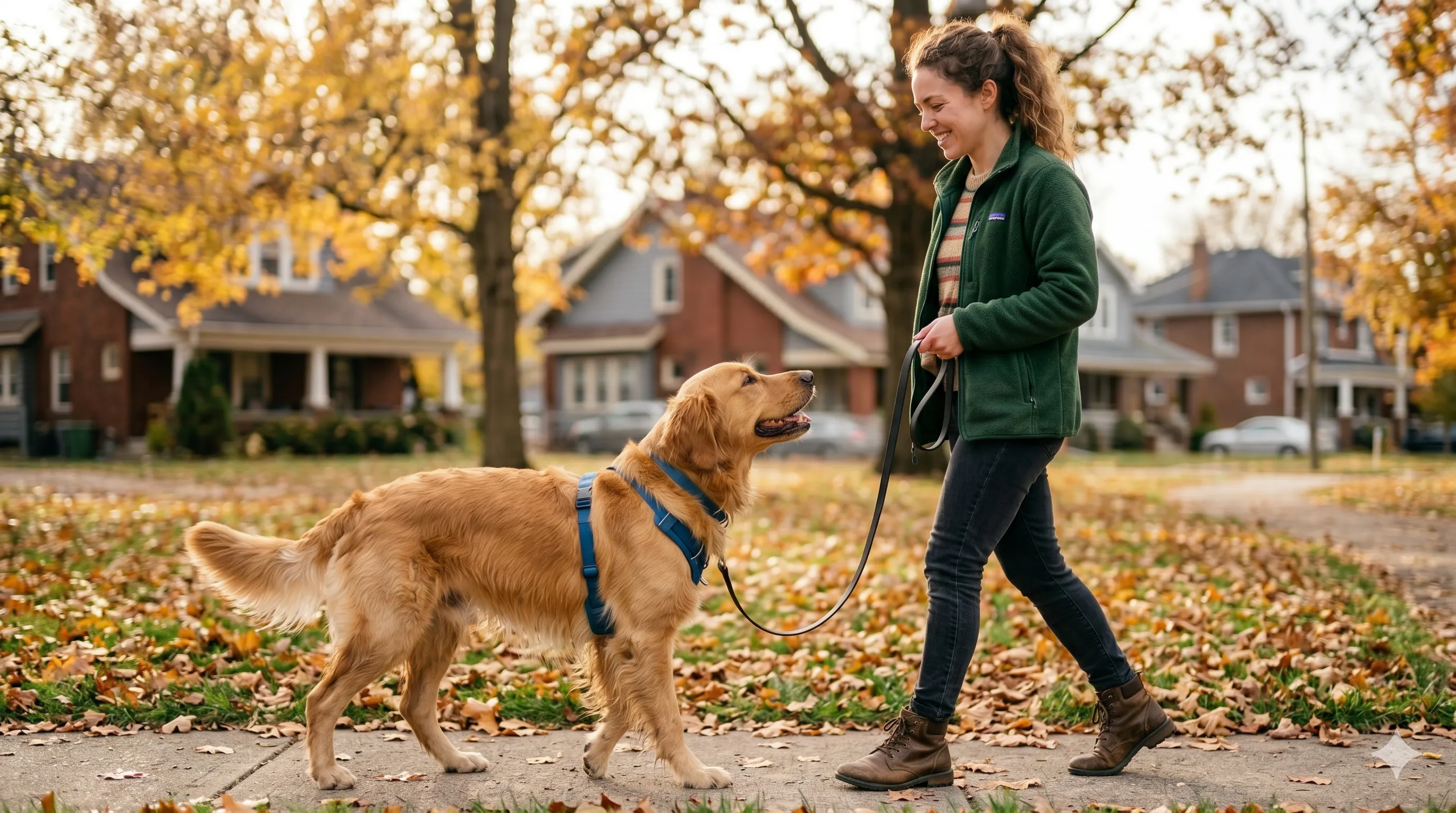
- 7. Use Proper Equipment
- Best Loose Leash Walking Routine
- Common Mistakes That Make Pulling Worse
- How Long Does Loose Leash Training Take?
- Example Scenario
- Final Thoughts
Note: This article is for informational purposes only and does not replace professional veterinary advice.
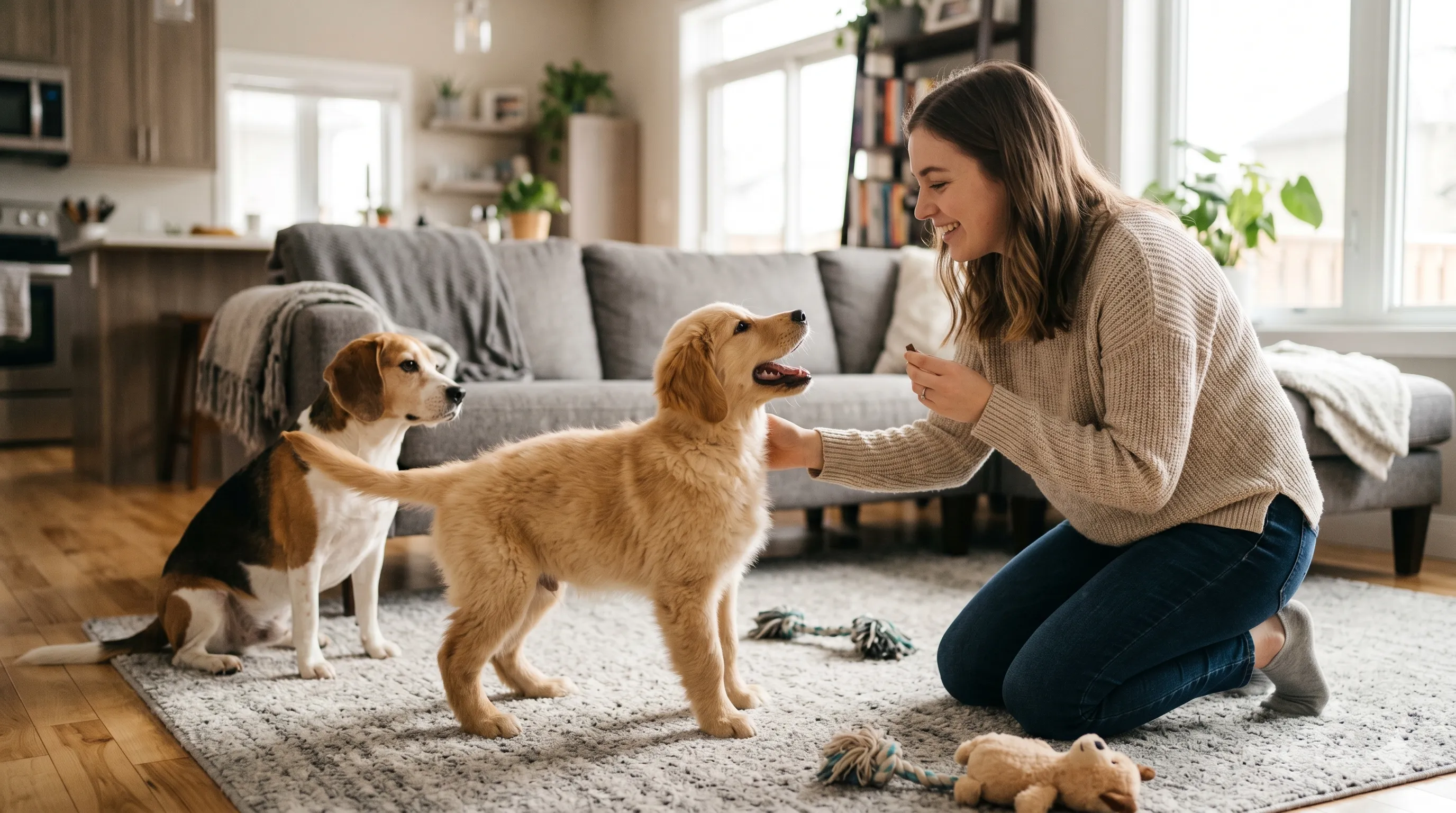
Walking your dog should feel relaxing, enjoyable, and rewarding but for many owners, walks become frustrating because the dog constantly pulls ahead, ignores commands, and turns every outing into a struggle. If you're trying to stop dog pulling on leash, you're definitely not alone. dogs that constantly follow their owners often become overly excited during walks and outdoor activities
The good news is that leash pulling is one of the most fixable dog behavior problems when approached correctly. The bad news is that many owners unknowingly reinforce the behavior every single day.
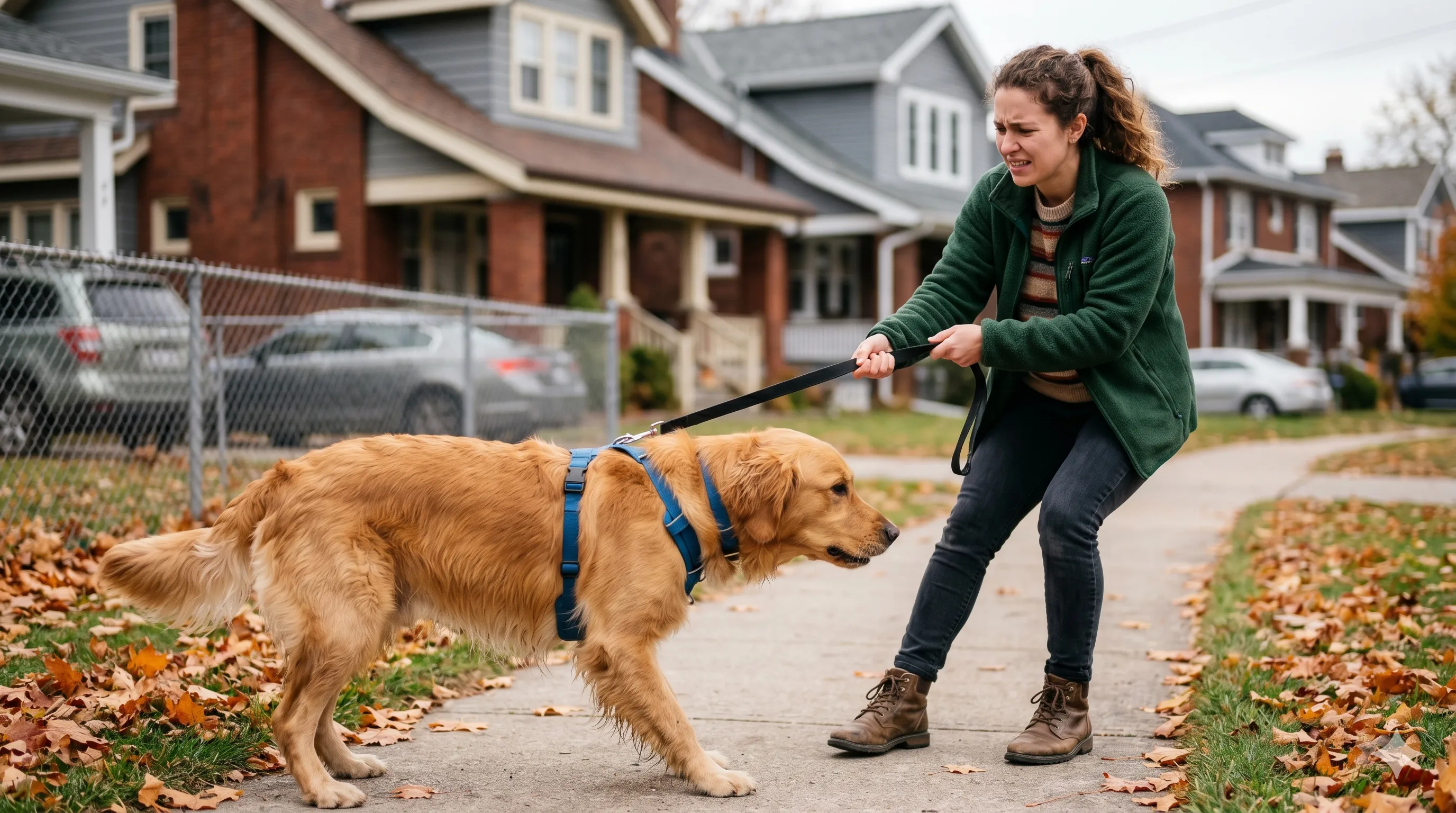
Dogs do not pull because they are stubborn, dominant, or trying to control you. Most dogs pull simply because it works. Pulling gets them closer to smells, movement, excitement, and stimulation. Once you understand this, leash training becomes much easier and far less frustrating.
This complete guide explains the real reasons dogs pull on leash, proven training methods that actually work, mistakes most owners make, and how to create calm, controlled, enjoyable walks.
How to Stop Dog Pulling on Leash (Quick Answer)
To stop dog pulling on leash, stop moving whenever your dog pulls, reward loose leash behavior immediately, train consistently in low-distraction environments, and use positive reinforcement techniques instead of punishment.
Consistency and timing matter far more than strength or force.
Dog Pulling Behavior Explained (Quick Guide)
| Behavior | Meaning | Normal or Problem? | Best Response |
|---|---|---|---|
| Pulling ahead constantly | Excitement and momentum | Common | Stop walking immediately |
| Pulling toward smells | Natural exploration instinct | Normal | Redirect focus calmly |
| Lunging suddenly | Overstimulation or trigger | Needs training | Create distance and refocus |
| Ignoring owner completely | Lack of engagement | Problematic | Build attention training |
| Pulling only at start of walks | Excess excitement | Very common | Calm start routine |
This table helps you quickly understand why leash pulling happens and what response actually improves the behavior long term.
Why Dogs Pull on the Leash (Real Reasons)
1. Pulling Gets Them What They Want
This is the biggest reason. If your dog pulls and still moves forward, the behavior gets rewarded automatically.
From your dog's perspective, pulling works perfectly.
Every successful pull teaches your dog: "If I pull harder, I get there faster".
2. Dogs Naturally Walk Faster Than Humans
Dogs move differently than humans. Their natural walking speed is usually faster, especially in active breeds.
What feels like "bad behavior" is often just natural movement combined with excitement.
3. Walks Are Extremely Stimulating
Walks expose dogs to smells, sounds, movement, animals, people, and environmental stimulation all at once.
For many dogs, walks are the most exciting part of the day. indoor activities for bored dogs help reduce excess energy that contributes to leash pulling
This excitement makes calm walking difficult without proper training.
4. Lack of Loose Leash Training
Most dogs are never actually taught how to walk politely.
Owners often assume dogs naturally understand leash manners, but loose leash walking is a trained skill not an instinct.
5. Excess Energy
Dogs with high energy levels often pull harder because they are physically overexcited.
This is especially common in working breeds, young dogs, and under-exercised pets. dogs with low activity levels often release excess excitement once walks begin
6. Curiosity and Scent Exploration
Dogs experience the world primarily through smell.
Interesting scents naturally pull their attention away from you and toward the environment.
7. Lack of Focus on the Owner
If your dog sees the environment as more rewarding than you, they will naturally ignore you during walks.
Good leash walking starts with engagement and attention not control.
Why Traditional Leash Corrections Often Fail
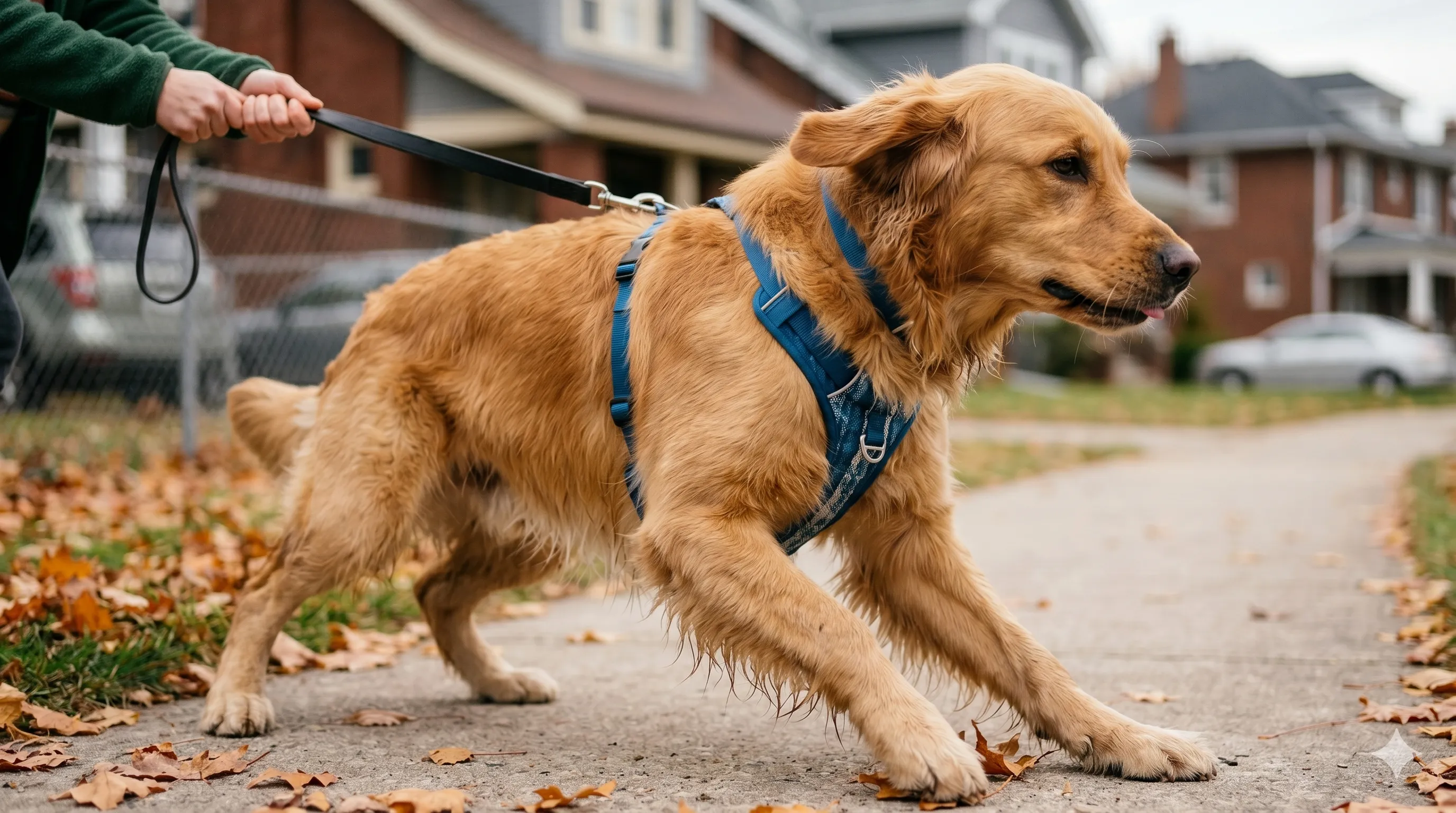
Many owners instinctively pull back harder when the dog pulls forward. Unfortunately, this often makes the behavior worse.
Dogs naturally resist pressure through something called the opposition reflex. When pressure is applied, they push against it automatically.
This creates a constant battle on the leash instead of teaching calm behavior.
Yelling, leash jerks, punishment, or frustration may temporarily suppress pulling, but they usually fail to teach the dog what you actually want.
Positive reinforcement combined with consistency creates much faster and more reliable results.
Normal vs Problematic Pulling
- Normal: Mild pulling during excitement or distractions
- Problematic: Constant tension, dragging, lunging, ignoring commands, unsafe behavior
The issue is not whether your dog ever pulls the real concern is intensity, frequency, and control.
When Should You Be Concerned?
Leash pulling becomes a serious issue when safety, stress, or anxiety are involved.
- Dog drags you forcefully
- Pulling causes injury or imbalance
- Dog lunges at people, dogs, or vehicles
- No improvement despite consistent effort
- Extreme excitement or anxiety during walks extreme stress or anxiety during walks may sometimes be connected to separation-related behavior
- Walks become stressful instead of enjoyable
These situations usually require more structured leash training and emotional regulation work.
How to Stop Dog Pulling on Leash (Step-by-Step Training Method)
1. Stop Walking the Moment Your Dog Pulls
This is the foundation of loose leash training.
The second the leash becomes tight: Stop completely.
Do not yank the leash. Do not drag the dog back. Simply stop moving.
Your dog learns: Pulling makes the walk stop.
Once the leash relaxes, continue walking.
2. Reward Loose Leash Walking Immediately
Timing matters.
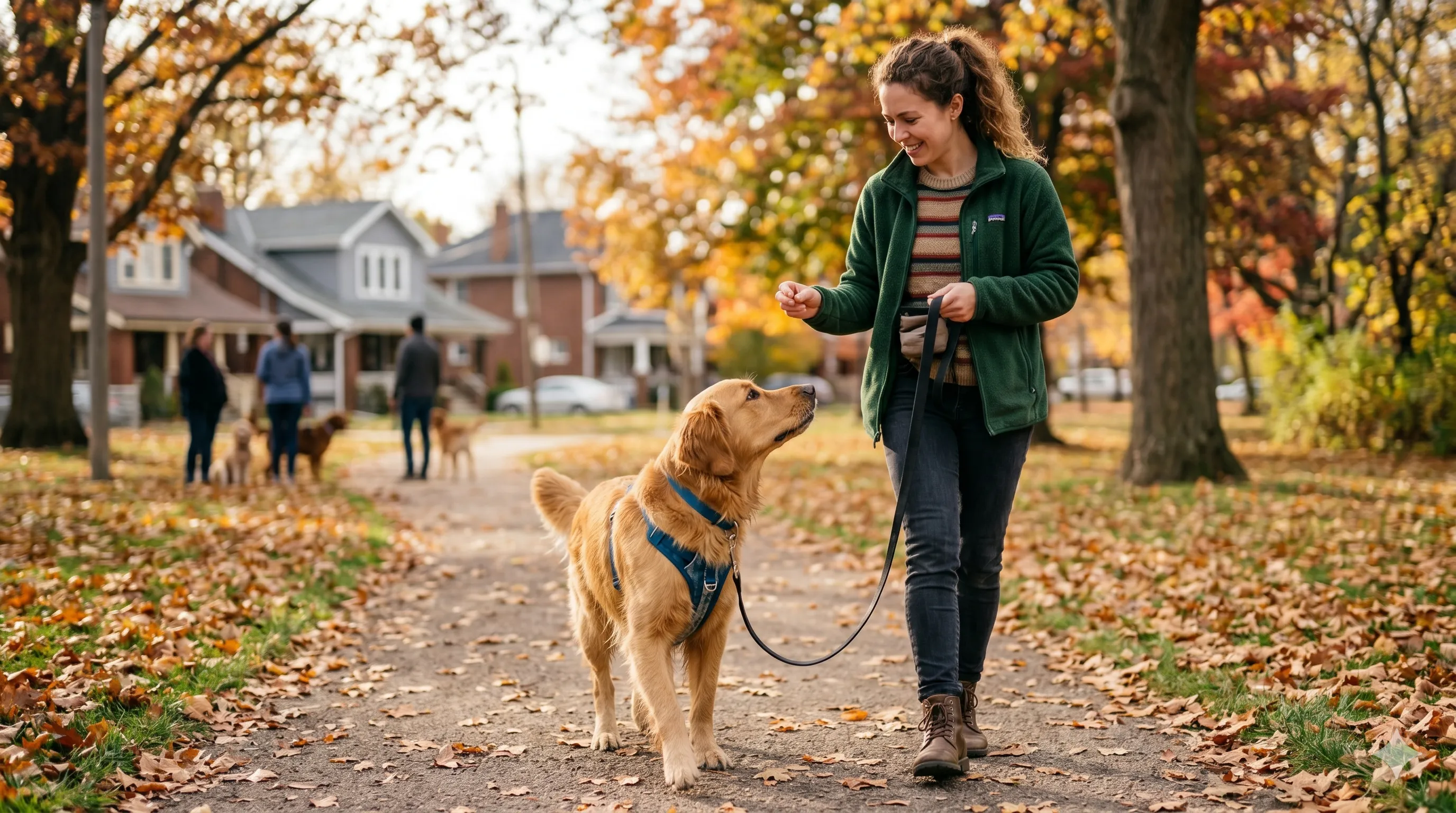
Whenever your dog walks beside you calmly with a loose leash, reward immediately using treats, praise, or engagement.
This teaches: "Calm walking is what gets rewarded".
3. Start Training in Low-Distraction Areas
Busy parks and crowded sidewalks are difficult training environments.
Begin inside your home, backyard, or quiet streets first.
Once your dog succeeds consistently, gradually increase distractions.
4. Change Direction Frequently
If your dog constantly surges ahead, calmly change direction.
This encourages your dog to pay attention to your movement instead of leading the walk automatically.
Over time, your dog learns to check in with you regularly.
5. Teach Attention and Engagement
Loose leash walking improves dramatically when your dog voluntarily focuses on you.
Reward eye contact, name recognition, and calm attention during walks.
building stronger focus and engagement, similar to structured crate training routines, helps improve loose leash walking significantlyEngagement training creates better communication and reduces environmental fixation.
6. Burn Energy Before Training Walks
A dog with uncontrolled energy struggles to learn calmly.
Short play sessions before walks often improve leash behavior significantly.
Mentally stimulated dogs also learn faster and stay calmer. early socialization and structured exposure improve leash behavior in young dogs
7. Use Proper Equipment
The right tools help improve control and communication safely.
Helpful options include:
- Front-clip harnesses
- Well-fitted Y-harnesses
- Standard training leashes
- Treat pouch for rewards
Avoid equipment designed around pain, fear, or punishment.
Best Loose Leash Walking Routine
- Before Walk: Calm waiting at the door
- First 5 Minutes: Slow, structured walking
- Reward Often: Reinforce calm leash behavior
- Practice Attention: Reward engagement regularly
- End Calmly: Avoid overstimulated endings
Structured routines create predictable behavior patterns and reduce excitement over time.
Common Mistakes That Make Pulling Worse
- Allowing pulling sometimes: Inconsistency confuses the dog
- Using punishment: Creates frustration and stress
- Expecting instant results: Training requires repetition
- Walking too fast: Increases excitement
- Skipping engagement work: Focus matters
- Training only during busy walks: Too difficult initially
Most leash training problems come from inconsistency not stubbornness.
How Long Does Loose Leash Training Take?
This depends on:
- Dog age
- Breed and energy level
- Training consistency
- Previous habits
- Owner timing and technique
Many dogs show noticeable improvement within 2-4 weeks of consistent daily training.
Strong leash habits built over years may take longer to fully change.
Example Scenario
The scenario below is an illustrative example of how this situation can play out, not a documented case study.
A young Labrador constantly dragged its owner toward every distraction during walks.
The owner previously tried pulling back harder, which only increased frustration.
After switching to stop-and-reward training, the dog slowly began understanding that calm walking moved the walk forward while pulling stopped progress.
Within a few weeks, leash tension reduced dramatically, and walks became calmer and more enjoyable.
Final Thoughts
Learning how to stop dog pulling on leash is not about overpowering your dog it's about teaching communication, patience, and self-control.
Dogs repeat behaviors that work. Once calm walking becomes more rewarding than pulling, real progress begins.
With consistency, structure, and positive reinforcement, almost every dog can learn loose leash walking successfully.
The goal isn't perfection overnight it's steady progress toward calm, controlled, enjoyable walks together.
This content is written to provide general educational guidance for dog owners and is not a substitute for professional veterinary advice.
Medical Disclaimer
This content is provided for informational and educational purposes only and should not be considered veterinary, medical, behavioral, or training advice. While we strive for accuracy, we make no guarantees regarding completeness or results. Always consult a licensed veterinarian or qualified pet care professional before making decisions about your pet’s health, diet, or behavior.
AI Illustration Notice
Some images in this article may have been generated or enhanced using artificial intelligence for illustrative purposes.
Frequently Asked Questions
Dogs pull on the leash because of excitement, curiosity, natural walking speed, and lack of loose leash training.
Stop moving whenever your dog pulls and reward calm loose leash walking consistently.
Yes, stopping immediately teaches your dog that pulling does not move the walk forward.
The most effective method is rewarding loose leash behavior while preventing pulling from being successful.
Yes, older dogs can absolutely learn loose leash walking with patience and consistency.
Front-clip harnesses and properly fitted training harnesses usually provide the best control and comfort.
Editorial Note
This article is part of PetNurture's educational library.
Topics draw on publicly available educational resources, recognised veterinary organisations, academic publications and established animal welfare references where appropriate.
The specific sources this article draws on are listed in its References section. If you spot an error, please let us know.
References
The information in this article has been reviewed and supported using the following sources.
American Kennel Club
How to Stop Your Dog From Pulling on the Leash
The AKC recommends stopping all forward movement the moment a dog pulls, waiting for the leash to loosen, then rewarding the dog with praise and a treat before continuing the walk.
Accessed Aug 6, 2026
VCA Animal Hospitals
VCA Animal Hospitals explains that dogs naturally lean into pressure on their collar or harness rather than yielding to it, and recommends training without pain-based tools such as choke, prong, or electronic collars.
Accessed Aug 6, 2026
Pet Emergency Guidance
Every pet is unique. If your pet exhibits severe symptoms, sudden behavioral changes, or a medical emergency, do not rely on online guides — contact a licensed veterinarian or emergency clinic immediately.
About PetNurture
PetNurture is an educational library of pet care guides, interactive tools and practical resources for pet parents. We work continuously to keep our content accurate and up to date. Reader feedback helps us maintain content quality.
Related Articles
Popular Dog Guides
Dog
Dog Calorie Calculator
Find the right daily calorie target for your dog's weight and activity level.