Why Does My Cat Bite Me Gently? Real Meaning Behind Cat Love Bites
- Why Does My Cat Bite Me Gently? (Quick Answer)
- What Are Cat "Love Bites"?
- Cat Bite Types & Their Meaning
- Playful vs Warning vs Aggressive Biting
- Playful Biting
- Warning Bites
- Aggressive Biting
- 6 Real Reasons Why Cats Bite Gently
- 1. Affection and Bonding ("Love Bites")
- 2. Overstimulation During Petting
- 3. Play and Hunting Instinct
- 4. Attention-Seeking Behavior
- 5. Grooming Instinct
- 6. Learned Behavior From Kittenhood
- Common Situations Explained
- Why Does My Cat Bite Me During Petting?
- Why Does My Cat Bite Me During Play?
- Why Does My Cat Bite Then Lick Me?
- When Should You Be Concerned?
- How to Stop Unwanted Biting
- 1. Stop Interaction Calmly
- 2. Avoid Using Hands as Toys
- 3. Learn Your Cat's Warning Signals
- 4. Redirect Energy Into Play
- 5. Avoid Punishment
- Common Mistakes Owners Make
- Example Scenario
- Final Thoughts
Note: This article is for informational purposes only and does not replace professional veterinary advice.
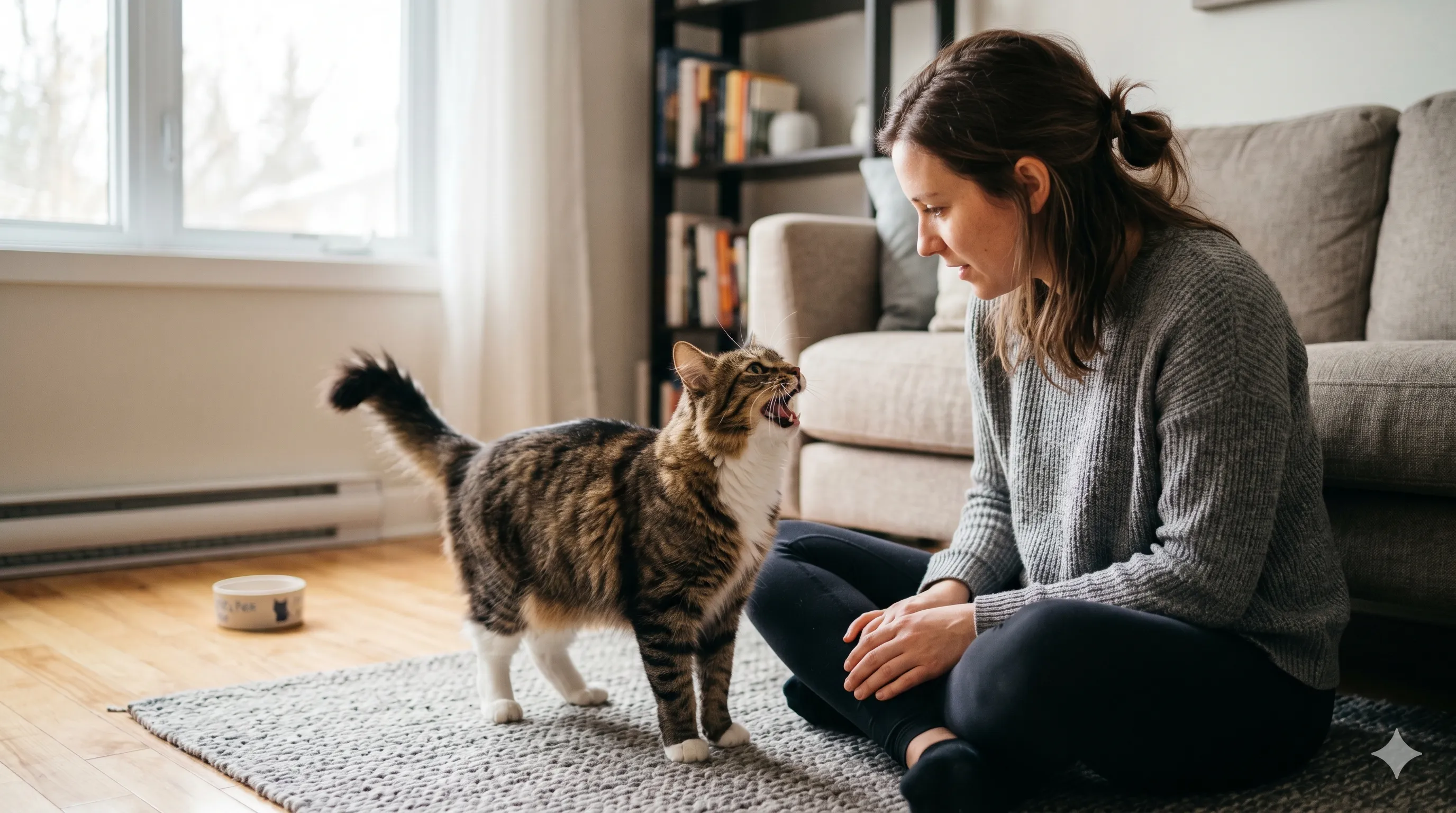
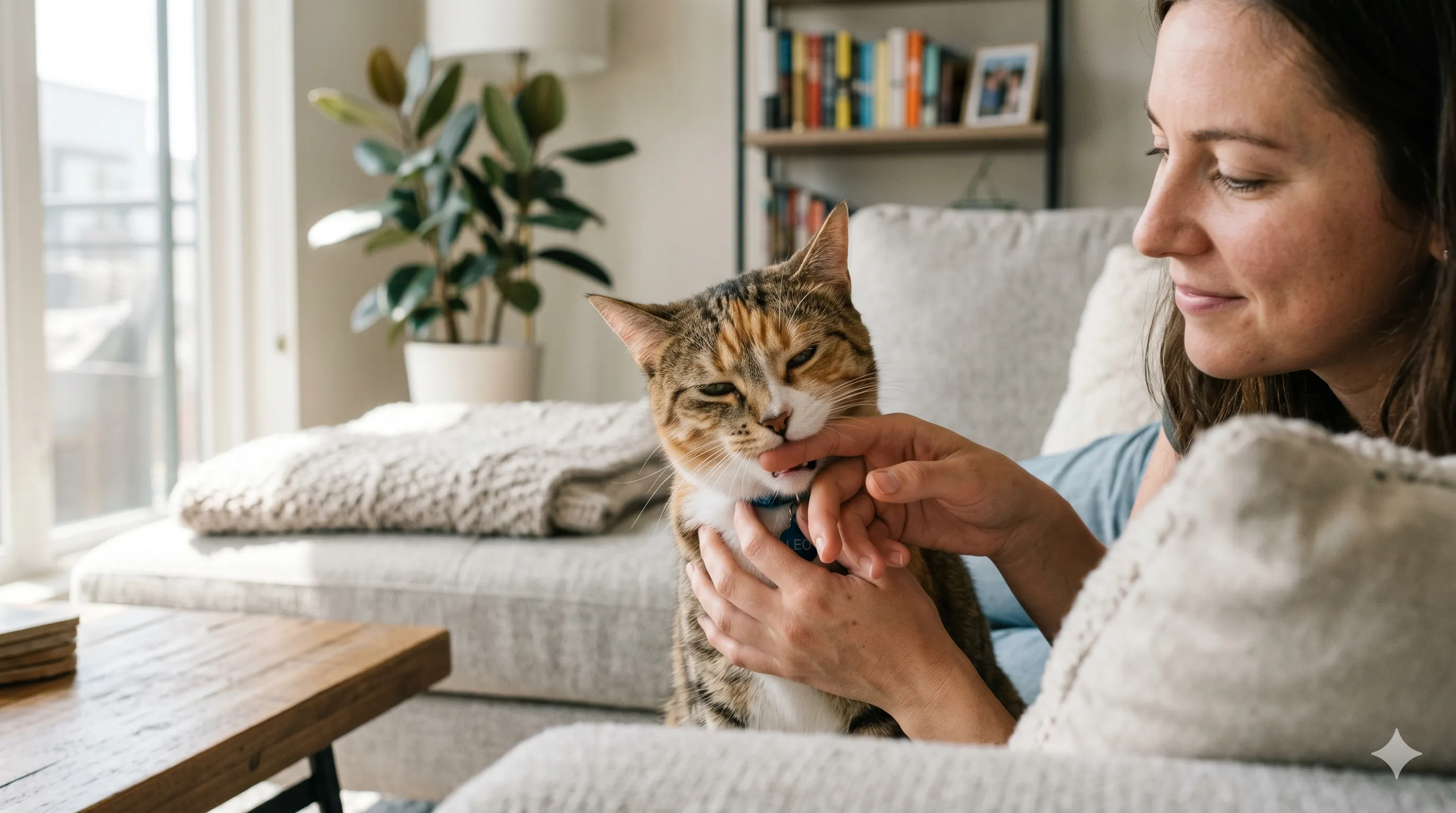
Your cat is sitting beside you peacefully while you pet them, and suddenly they gently bite your hand. It does not usually hurt, but it definitely feels confusing.
Many cat owners experience this behavior regularly and immediately wonder whether the bite is affectionate, playful, irritating, or aggressive. many cats also knead as a way to express comfort and emotional bonding
If you're asking "why does my cat bite me gently?", the answer is usually related to communication. Cats use gentle bites to express affection, overstimulation, playfulness, attention-seeking, or emotional boundaries depending on the situation.
Understanding your cat's body language and the context around the bite is extremely important because not all gentle bites mean the same thing.
Some gentle bites are signs of trust and bonding, while others are warnings that your cat has become overstimulated and wants interaction to stop.
Learning the difference helps you build a better relationship with your cat while also preventing accidental scratching or stronger biting later.
Why Does My Cat Bite Me Gently? (Quick Answer)
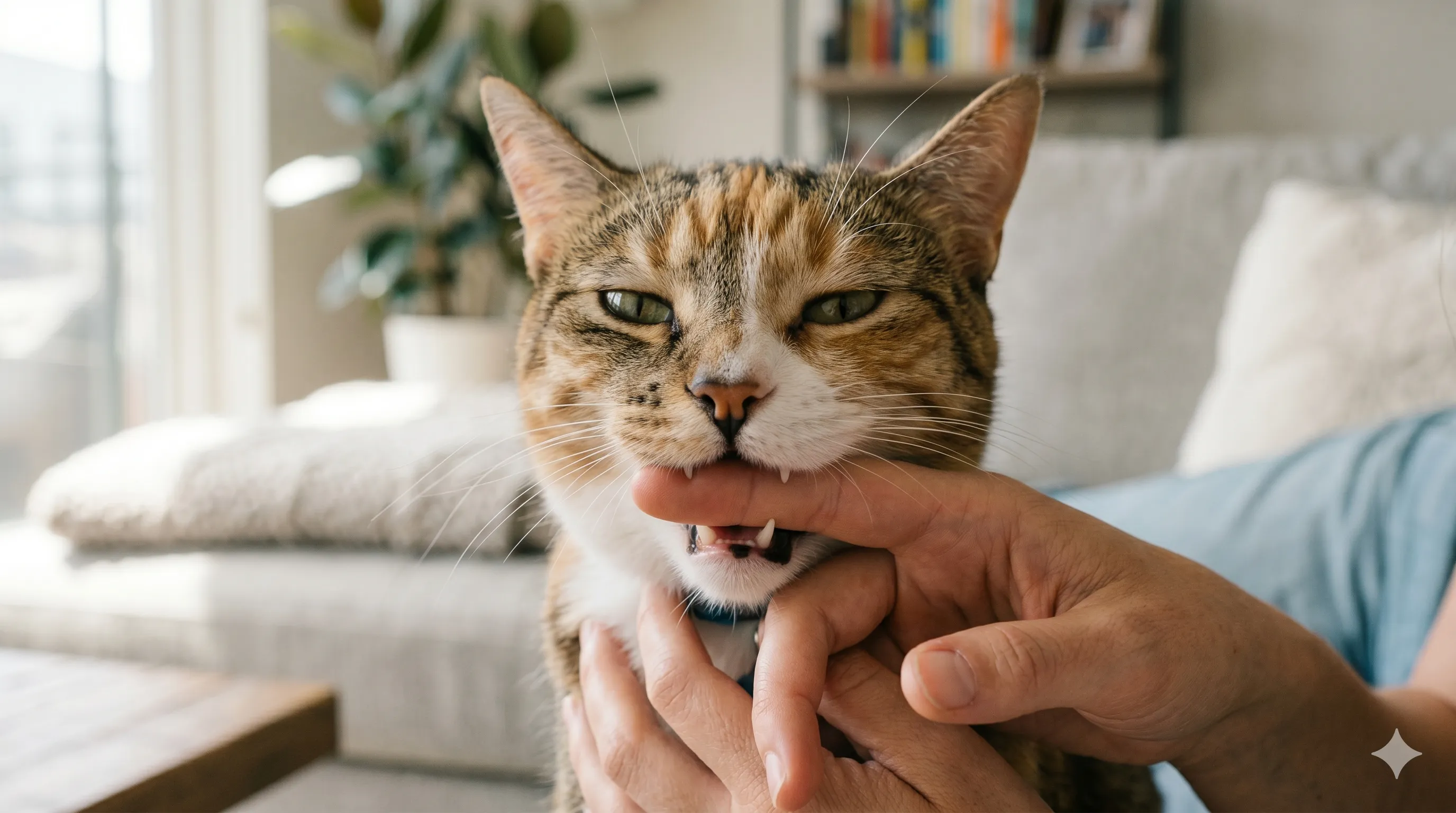
Cats gently bite to communicate affection, playfulness, grooming behavior, overstimulation, or emotional boundaries. These small bites, often called "love bites", are usually harmless and commonly happen during petting, cuddling, grooming, or play sessions.
The meaning depends heavily on your cat's body language, mood, and the situation surrounding the bite.
What Are Cat "Love Bites"?
"Love bites" are soft, controlled bites cats sometimes use during affectionate interaction with trusted humans.
These bites are usually gentle, do not break the skin, and often happen while your cat is:
- Being petted
- Cuddling beside you
- Licking your hand
- Relaxing comfortably
- Playing gently
Many cats also knead as a way to express comfort and emotional bonding. loud purring often accompanies affectionate cat behaviors and emotional communication
In most situations, love bites are not signs of aggression. Instead, they are part of how cats naturally communicate physical affection and emotional stimulation.
Cat Bite Types & Their Meaning
| Bite Type | Possible Meaning | What You Should Do |
|---|---|---|
| Gentle nibble | Affection or bonding | Usually normal |
| Bite followed by licking | Grooming behavior | Positive social behavior |
| Sudden soft bite during petting | Overstimulation | Pause interaction |
| Playful biting | Hunting or play instinct | Redirect to toys |
| Repeated stronger bites | Irritation or frustration | Give your cat space |
| Hissing with biting | Fear or aggression | Avoid interaction temporarily |
Playful vs Warning vs Aggressive Biting
Understanding the difference between playful biting and true aggression is extremely important for interpreting your cat's emotional state correctly.
Playful Biting
Playful bites are usually gentle and happen during active interaction or excitement.
Common signs include:
- Relaxed body posture
- Soft eyes
- Playful energy
- Pouncing behavior
- No growling or hissing
Warning Bites
Warning bites happen when your cat feels overstimulated or uncomfortable.
Body language often changes before the bite occurs.
Warning signs may include:
- Tail flicking
- Ears turning sideways
- Tense body posture
- Skin twitching
- Sudden stillness
Aggressive Biting
Aggressive biting is very different from gentle love bites.
Signs of aggression may include:
- Hissing
- Growling
- Dilated pupils
- Strong bite force
- Flattened ears
- Defensive posture
Understanding why your cat stares at you can also help interpret emotional signals and body language changes more accurately. understanding why your cat stares at you can also help interpret emotional signals and body language changes more accurately
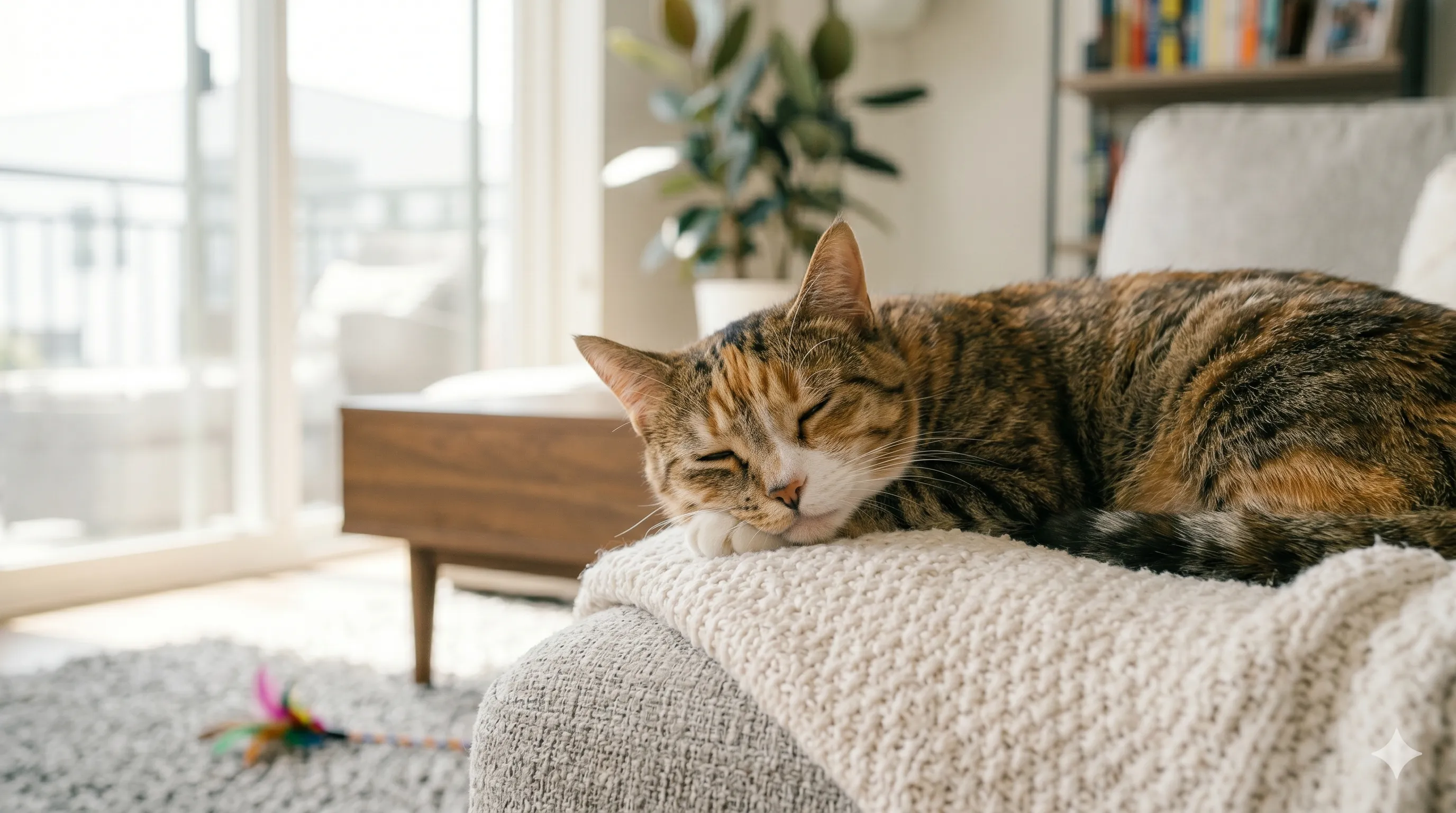
6 Real Reasons Why Cats Bite Gently
1. Affection and Bonding ("Love Bites")
One of the most common reasons cats bite gently is simple affection.
Some cats naturally use soft bites during bonding moments, especially while cuddling, grooming, or relaxing beside trusted humans.
This behavior often appears alongside:
- Purring
- Kneading
- Slow blinking
- Licking
- Relaxed posture
Loud purring often accompanies affectionate cat behaviors and emotional communication. cats that follow their owners closely often show similar attachment and attention-seeking behaviors
2. Overstimulation During Petting
Many cats enjoy petting only up to a certain point.
Even affectionate cats can suddenly become overstimulated when touched repeatedly for too long.
In these situations, a gentle bite often acts as a warning signal saying:
- "I've had enough"
- "Please stop now"
- "You're overstimulating me"
This is especially common when petting sensitive areas like the stomach, lower back, or tail base.
3. Play and Hunting Instinct
Cats are natural hunters, and playful biting often comes from predatory instinct.
Kittens especially explore the world through playful grabbing, pawing, chasing, and biting.
If your cat gently bites during active play, they may simply be treating your hands like moving toys.
This behavior becomes more common when cats are:
- Young and energetic
- Understimulated
- Not given enough interactive play
- Accustomed to hand play
4. Attention-Seeking Behavior
Some cats quickly learn that gentle biting gets a reaction from their owner.
If your cat gently bites when you stop petting, working, or ignoring them, they may simply want interaction or attention.
Cats that follow their owners closely often show similar attachment and attention-seeking behaviors. sudden aggressive or withdrawn behavior may explain why cats hide when stressed or uncomfortable
5. Grooming Instinct
Cats groom individuals they trust and feel emotionally connected to.
If your cat gently bites and then licks you afterward, they may be treating you as part of their social group.
This behavior resembles how cats groom one another in bonded cat relationships.
Gentle biting followed by licking is often one of the clearest signs of trust and emotional bonding.
6. Learned Behavior From Kittenhood
Many adult cats develop biting habits because they were encouraged to play with human hands as kittens.
Although playful hand biting may seem harmless early on, it teaches cats that hands are appropriate play targets.
Over time, this habit can become difficult to break without consistent redirection toward toys and structured play.
Common Situations Explained
Why Does My Cat Bite Me During Petting?
This is usually caused by overstimulation.
Your cat may enjoy petting initially but eventually reach a sensory limit where continued touch becomes uncomfortable.
Learning your cat's warning signals helps prevent sudden bites.
Why Does My Cat Bite Me During Play?
Play biting often happens when cats become overly excited and redirect hunting instinct toward hands or arms.
Using interactive toys instead of hands helps reduce this behavior significantly.
Why Does My Cat Bite Then Lick Me?
This behavior is commonly linked to social grooming and affection.
Your cat may see you as part of their trusted social group and combine grooming behavior with playful affection.
When Should You Be Concerned?
Gentle biting itself is usually harmless, but sudden changes in biting behavior should not be ignored.
Warning signs include:
- Biting becoming stronger or painful
- Frequent aggressive behavior
- Hissing or growling
- Sudden personality changes
- Fearful body language
- Withdrawal or hiding behavior
Sudden aggressive or withdrawn behavior may explain why cats hide when stressed or uncomfortable. playful biting often becomes more intense when cats lack proper interactive play and stimulation
If your cat suddenly becomes more aggressive than normal, pain, stress, illness, or environmental changes may be contributing factors.
How to Stop Unwanted Biting
1. Stop Interaction Calmly
If your cat bites during petting or play, calmly stop interacting for a moment.
This teaches your cat that biting ends the activity.
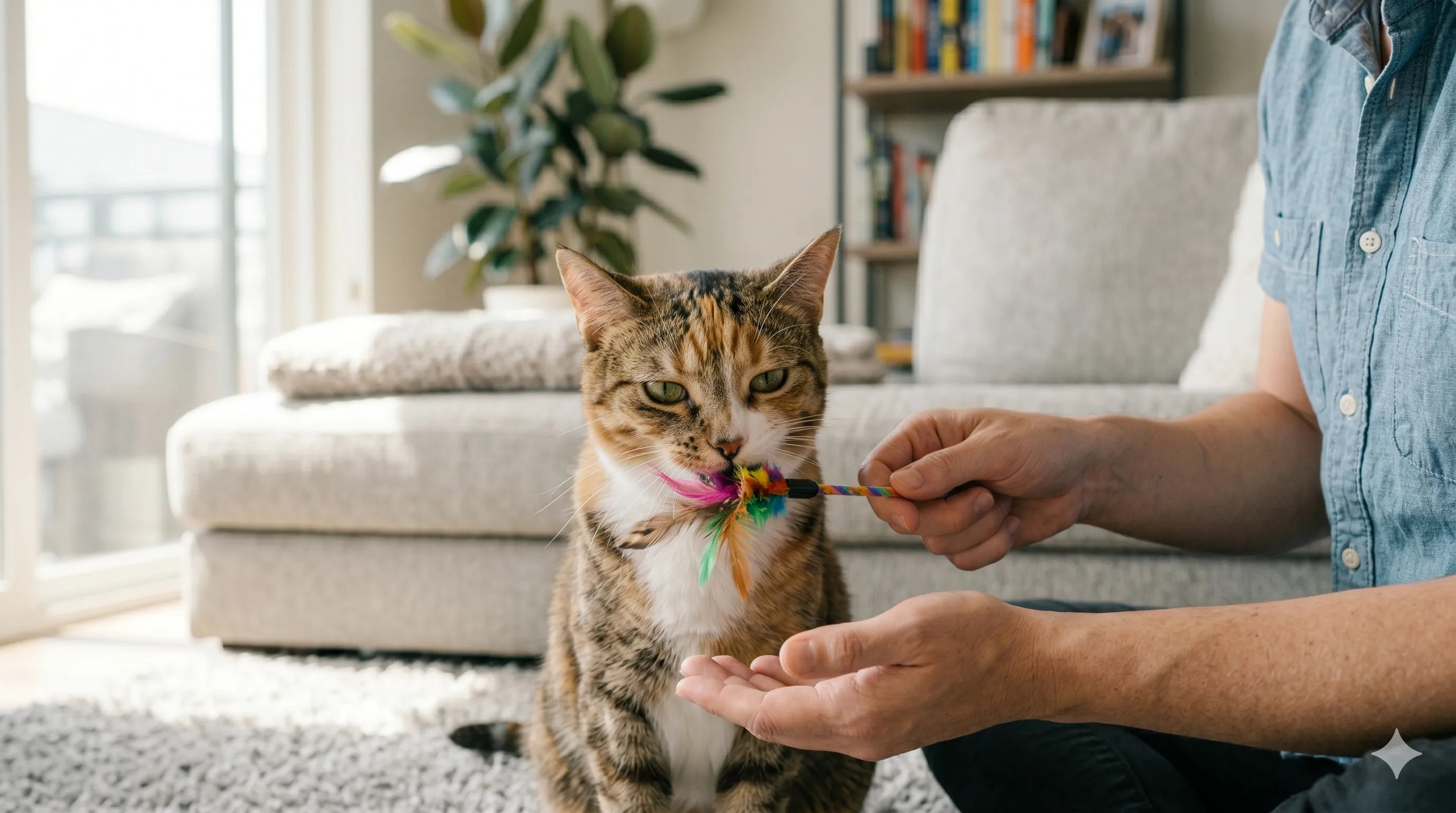
2. Avoid Using Hands as Toys
Never encourage kittens or adult cats to chase, grab, or bite your hands directly.
Use wand toys, balls, and interactive toys instead.
3. Learn Your Cat's Warning Signals
Recognizing body language changes before biting happens is one of the best ways to prevent overstimulation.
4. Redirect Energy Into Play
Daily interactive play helps reduce boredom, excess energy, and attention-seeking biting behaviors.
5. Avoid Punishment
Yelling or punishing cats for biting often increases fear, stress, and defensive behavior.
Calm redirection works much better long-term.
Common Mistakes Owners Make
- Encouraging hand play during kittenhood
- Ignoring overstimulation signals
- Punishing cats harshly
- Misinterpreting playful behavior as aggression
- Providing insufficient play and stimulation
Example Scenario
The scenario below is an illustrative example of how this situation can play out, not a documented case study.
A young indoor cat frequently used gentle bites during play sessions with its owner. Although the bites were not aggressive, the behavior became more frequent over time because the cat associated hands with play.
After switching to wand toys and interactive play sessions consistently for two weeks, the biting behavior reduced significantly and became easier to manage.
Final Thoughts
Gentle biting is usually not aggression it is communication.
In many cases, cats use soft bites to express affection, excitement, grooming behavior, playfulness, or emotional boundaries.
Gentle cat biting is usually linked to affection and communication rather than aggression. gentle cat biting is usually linked to affection and communication rather than aggression
Once you understand your cat's body language and emotional signals, these "love bites" become much easier to interpret and manage calmly.
This content is written to provide general educational guidance for cat owners and pet families and is not a substitute for professional veterinary advice.
Medical Disclaimer
This content is provided for informational and educational purposes only and should not be considered veterinary, medical, behavioral, or training advice. While we strive for accuracy, we make no guarantees regarding completeness or results. Always consult a licensed veterinarian or qualified pet care professional before making decisions about your pet’s health, diet, or behavior.
AI Illustration Notice
Some images in this article may have been generated or enhanced using artificial intelligence for illustrative purposes.
Frequently Asked Questions
Cats usually bite gently to communicate affection, playfulness, grooming behavior, overstimulation, or emotional boundaries.
Yes, cat love bites are very common and are usually harmless signs of affection or communication.
Cats often bite and lick as part of social grooming behavior that reflects trust and bonding.
Some cats gently bite while purring because they are emotionally stimulated, affectionate, or engaged in grooming behavior.
Avoid hand play, recognize warning signals early, and redirect your cat toward interactive toys and structured play.
Cats may suddenly bite during petting when they become overstimulated or uncomfortable with continued touch.
You should become concerned if biting becomes aggressive, painful, frequent, or associated with fear, hissing, or sudden behavior changes.
Yes, many gentle bites are signs of affection and emotional attachment when combined with relaxed body language and positive interaction.
Editorial Note
This article is part of PetNurture's educational library.
Topics draw on publicly available educational resources, recognised veterinary organisations, academic publications and established animal welfare references where appropriate.
The specific sources this article draws on are listed in its References section. If you spot an error, please let us know.
References
The information in this article has been reviewed and supported using the following sources.
PetMD
11 Signs of an Overstimulated Cat and How To Calm Them
Confirms overstimulation during petting is a common trigger for sudden gentle biting; supports the 'Overstimulation During Petting' section of this article.
Accessed Aug 6, 2026
Cornell University College of Veterinary Medicine (Feline Health Center)
Feline Behavior Problems: Aggression
Confirms petting-induced aggression is a recognized category caused by overstimulation, and recommends monitoring warning signs like tail lashing and ear position; supports the 'Warning Bites' section of this article.
Accessed Aug 6, 2026
Pet Emergency Guidance
Every pet is unique. If your pet exhibits severe symptoms, sudden behavioral changes, or a medical emergency, do not rely on online guides — contact a licensed veterinarian or emergency clinic immediately.
About PetNurture
PetNurture is an educational library of pet care guides, interactive tools and practical resources for pet parents. We work continuously to keep our content accurate and up to date. Reader feedback helps us maintain content quality.
Related Articles
Popular Cat Guides

Cat
Cat Feeding Calculator
Calculate how much food your cat needs daily based on weight, age, and activity level.