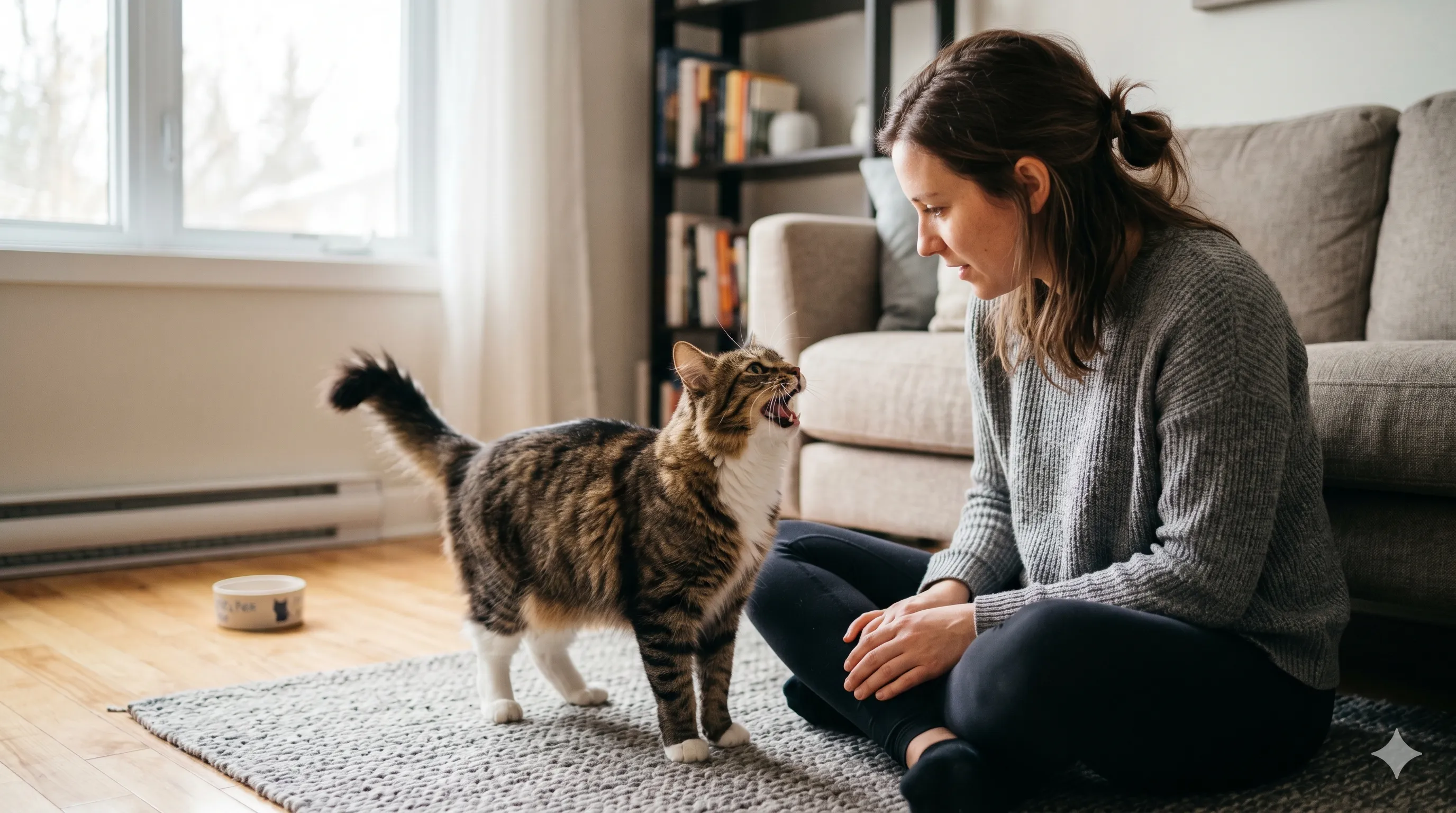
Why Does My Cat Bring Me Dead Animals? (Reasons, Meaning & How to Stop It)
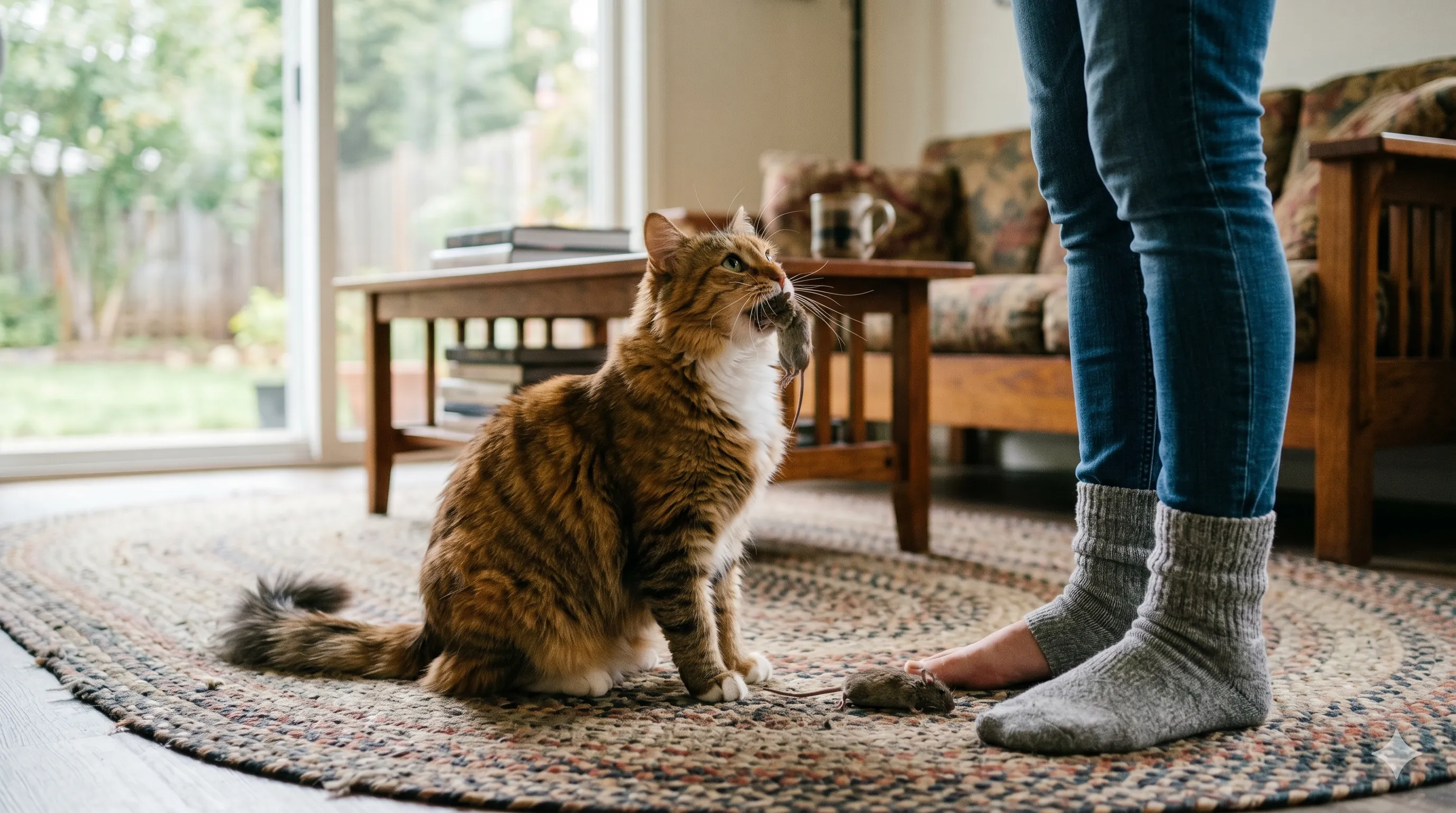
- Why Does My Cat Bring Me Dead Animals? (Quick Answer)
- Cat Bringing Prey Meaning (Quick Guide)
- 7 Real Reasons Why Cats Bring Dead Animals
- 1. Hunting Instinct Is Deeply Natural
- 2. Your Cat Sees You as Family
- 3. Teaching Instinct (Especially in Female Cats)
- 4. Your Home Feels Safe
- 5. Attention and Reaction Reinforcement
- 6. Strong Prey Drive and Personality
- 7. Emotional Bonding and Communication
- Why Indoor Cats Sometimes Bring Toys Instead
- Normal vs Problematic Hunting Behavior
- When Should You Be Concerned?
- How to Reduce This Behavior Safely
- 1. Increase Interactive Play
- 2. Keep Your Cat Mentally Stimulated
- 3. Limit Outdoor Hunting Opportunities
- 4. Avoid Punishment Completely
- 5. Reward Healthy Indoor Behaviors
- 6. Maintain a Predictable Routine
- Common Mistakes to Avoid
- Example Scenario
- Final Thoughts
Note: This article is for informational purposes only and does not replace professional veterinary advice.
You walk outside or open your front door and suddenly notice a mouse, bird, or insect carefully placed near your home. Naturally, your first thought is probably: "why does my cat bring me dead animals?" understanding why cats hide also helps explain natural survival instincts and cautious hunting behavior
While this behavior may feel unpleasant or even disturbing from a human perspective, it is completely natural for cats. Your cat is not trying to upset you, punish you, or act aggressively. In reality, this behavior is deeply connected to instinct, survival behavior, communication, and emotional bonding.
Understanding the real reason behind these "gifts" helps you respond correctly without damaging trust or creating unnecessary stress for your cat.
Why Does My Cat Bring Me Dead Animals? (Quick Answer)
Cats bring dead animals to their owners because of natural hunting instinct, sharing behavior, teaching instinct, and emotional bonding. In most cases, this behavior is completely normal and often reflects trust and attachment rather than aggression.
The important thing to understand is that your cat sees this behavior very differently than humans do.
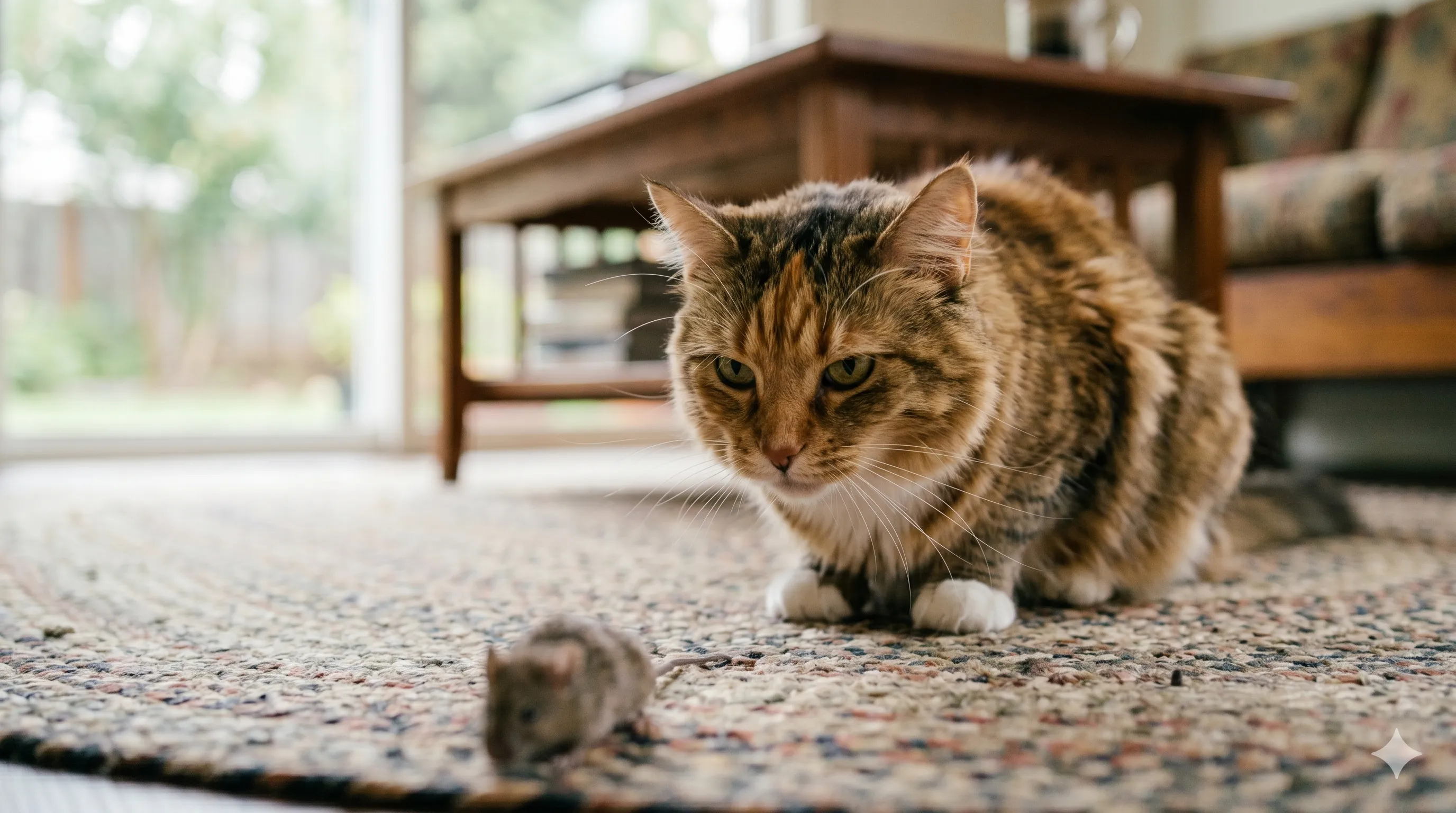
Cat Bringing Prey Meaning (Quick Guide)
| Behavior | Meaning | Normal or Problem? | What You Should Do |
|---|---|---|---|
| Leaves prey at door | Sharing or gifting behavior | Normal | Remove calmly |
| Brings prey inside house | Safe storage instinct | Normal | Limit outdoor hunting |
| Drops prey near owner | Teaching or bonding instinct | Normal | Avoid punishment |
| Frequent hunting behavior | Strong prey drive | Needs management | Increase indoor stimulation |
| Obsessive hunting + aggression | Stress or overstimulation | Potential concern | Monitor behavior closely |
This quick guide helps you understand whether your cat's behavior is harmless instinct or something that may require attention.

7 Real Reasons Why Cats Bring Dead Animals
1. Hunting Instinct Is Deeply Natural
Even domesticated cats still carry strong hunting instincts. Hunting behavior is genetically hardwired into cats and exists even when they are well-fed.
Your cat does not hunt because they are starving. Hunting provides mental stimulation, excitement, exercise, and instinctive satisfaction. cats that follow their owners closely often form strong emotional and social bonds
Outdoor cats especially enjoy completing the full hunting cycle: stalking, chasing, catching, and carrying prey.
2. Your Cat Sees You as Family
Cats often treat their owners as part of their social group. In feline behavior, sharing food or prey can be a social interaction.
What feels unpleasant to you may actually be interpreted by your cat as generosity or sharing.
In simple terms, your cat may genuinely think they are helping you.
3. Teaching Instinct (Especially in Female Cats)
Mother cats naturally teach kittens how to hunt by bringing prey back to them. This instinct sometimes transfers to human owners.
Your cat may see you as part of their family group and instinctively behave as though they are teaching or caring for you.
This behavior is surprisingly common in highly bonded cats. kneading behavior is another instinctive habit connected to comfort and emotional attachment
4. Your Home Feels Safe
Cats prefer eating or storing prey in locations where they feel secure. Your home represents safety, comfort, and protection.
That is why many cats bring prey directly to the doorstep, patio, or even inside the house.
From your cat's perspective, they are simply bringing their catch to the safest place available.
5. Attention and Reaction Reinforcement
Cats quickly learn which behaviors create strong reactions from humans.
If your cat notices that bringing prey immediately gets your attention even negative attention the behavior may become reinforced over time.
This does not mean your cat is intentionally trying to upset you. It simply means they connect the behavior with interaction.
6. Strong Prey Drive and Personality
Some cats naturally have stronger hunting instincts than others.
Breed tendencies, personality, age, energy level, and environment all influence prey behavior. Young active outdoor cats are especially likely to hunt frequently.
Cats with high energy and limited stimulation often express those instincts more intensely. sudden behavior changes can sometimes be linked to stress or underlying health concerns
7. Emotional Bonding and Communication
Although it sounds strange, bringing prey can actually reflect emotional bonding.
Cats communicate differently than humans. They rely heavily on instinctive actions rather than emotional explanations.
Bringing prey may simply be your cat's way of interacting with you using natural feline behavior patterns.
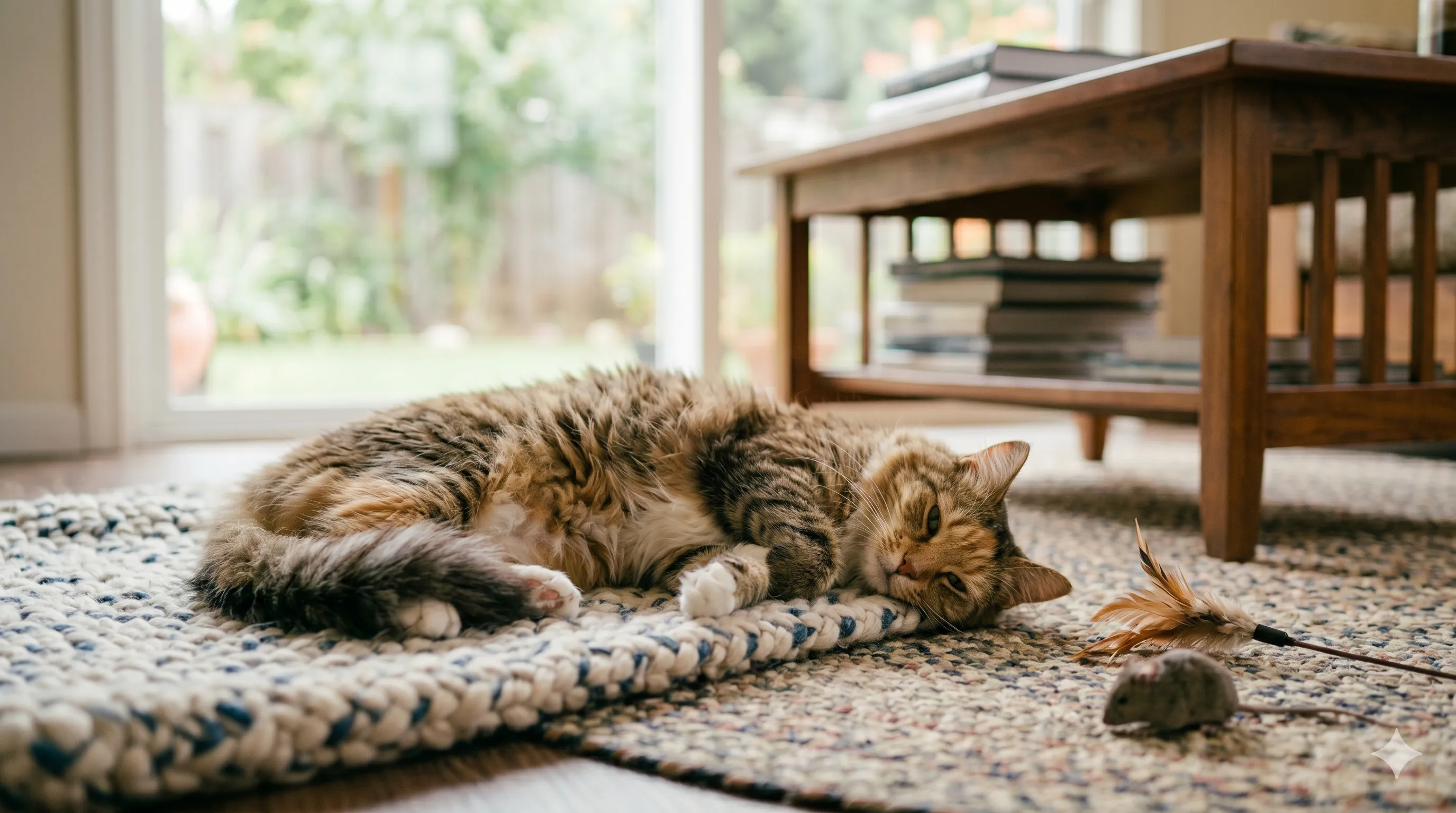
Why Indoor Cats Sometimes Bring Toys Instead
Indoor cats often display a safer version of the same instinct.
Instead of bringing mice or birds, they may carry toys, socks, stuffed animals, or random household objects toward you while vocalizing.
This behavior follows the same hunting and sharing instinct but without real prey.
In many ways, toy carrying is actually a healthy outlet for natural behavior because it satisfies instinct without harming wildlife.
Normal vs Problematic Hunting Behavior
- Normal: Occasional hunting, calm body language, playful personality
- Problematic: Excessive prey bringing, obsessive hunting, aggression, extreme outdoor fixation
Most cats that bring prey are behaving completely normally.
The key difference is frequency, intensity, and whether the behavior starts affecting health, safety, or emotional balance.
When Should You Be Concerned?
Although this behavior is usually harmless, there are situations where closer attention is important.
- Sudden increase in hunting frequency
- Prey carrying parasites or disease risk
- Aggressive guarding of prey
- Extreme nighttime hunting behavior
- Stress-related behaviors appearing alongside hunting nighttime restlessness and hunting behavior may increase alongside excessive vocalization
- Loss of appetite or unusual personality changes loss of appetite combined with behavioral changes should never be ignored
If hunting suddenly becomes obsessive or unusual, environmental stress or health issues may be contributing factors.
How to Reduce This Behavior Safely
1. Increase Interactive Play
The best way to reduce hunting behavior is by safely redirecting instinct.
Use feather wands, chase toys, tunnels, and moving toys that simulate prey movement. Daily play sessions help satisfy hunting urges indoors.
Short but intense play sessions are usually more effective than long inactive periods.
2. Keep Your Cat Mentally Stimulated
Bored cats are more likely to hunt aggressively outdoors.
Provide climbing trees, puzzle feeders, scratching posts, hiding spots, and window views to create enrichment inside the home.
Mental stimulation reduces frustration and excess prey behavior.
3. Limit Outdoor Hunting Opportunities
Reducing unsupervised outdoor time directly lowers hunting frequency.
Some owners choose supervised outdoor time, enclosed patios, or cat-safe outdoor spaces instead of unrestricted roaming.
This approach protects both wildlife and your cat.
4. Avoid Punishment Completely
This is one of the biggest mistakes cat owners make.
Your cat does not understand why you are upset. Punishment only creates fear, confusion, or damaged trust.
Instinctive behavior cannot be "punished away" effectively.
5. Reward Healthy Indoor Behaviors
Encourage play, toy hunting, and calm interaction indoors.
Positive reinforcement works far better than reacting negatively to instinctive behavior.
6. Maintain a Predictable Routine
Cats feel calmer when feeding, play, and sleep routines stay consistent.
A predictable environment reduces stress-driven hunting and excessive outdoor focus. creating a stimulating and secure indoor environment becomes even more important after household changes
Common Mistakes to Avoid
- Punishing your cat for instinctive behavior
- Overreacting emotionally
- Ignoring mental stimulation needs
- Allowing unlimited boredom
- Using inconsistent responses
- Forcing stressful confinement suddenly
Managing this behavior successfully depends on understanding your cat rather than trying to dominate natural instincts.
Example Scenario
The scenario below is an illustrative example of how this situation can play out, not a documented case study.
An outdoor cat regularly brought birds and insects home several times each week. The owner initially responded with frustration and loud reactions, which accidentally increased attention around the behavior.
After introducing structured indoor play sessions, puzzle toys, and reduced unsupervised outdoor access, the hunting behavior gradually decreased.
Within a month, the cat became more engaged indoors and prey "gifts" became much less frequent.
Final Thoughts
Understanding why does my cat bring me dead animals completely changes the way this behavior looks. gentle biting and prey-sharing behaviors are both instinctive forms of feline communication
What feels unpleasant from a human perspective is usually instinctive, social, and even affectionate from your cat's point of view.
In most cases, your cat is not trying to upset you they are simply expressing deeply natural feline behavior.
The goal is not to punish or eliminate instinct, but to redirect it in healthier and safer ways for both your cat and the environment.
This content is written to provide general educational guidance for cat owners and pet families and is not a substitute for professional veterinary advice.
Medical Disclaimer
This content is provided for informational and educational purposes only and should not be considered veterinary, medical, behavioral, or training advice. While we strive for accuracy, we make no guarantees regarding completeness or results. Always consult a licensed veterinarian or qualified pet care professional before making decisions about your pet’s health, diet, or behavior.
AI Illustration Notice
Some images in this article may have been generated or enhanced using artificial intelligence for illustrative purposes.
Frequently Asked Questions
Cats bring dead animals because of hunting instinct, sharing behavior, teaching instinct, and emotional bonding.
In many cases, yes. Cats often see prey-sharing as a social or bonding behavior.
No. Punishing your cat can damage trust and increase stress without stopping natural instincts.
Indoor cats often redirect hunting instincts toward toys, socks, or household objects instead of real prey.
You can reduce hunting behavior by increasing indoor stimulation, interactive play, and limiting unsupervised outdoor access.
Yes, many cats bring prey because they view their owners as part of their social group or family.
You should pay attention if hunting becomes excessive, aggressive, or paired with sudden behavioral or health changes.
Editorial Note
This article is part of PetNurture's educational library.
Topics draw on publicly available educational resources, recognised veterinary organisations, academic publications and established animal welfare references where appropriate.
The specific sources this article draws on are listed in its References section. If you spot an error, please let us know.
References
The information in this article has been reviewed and supported using the following sources.
PetMD
Explains prey-gifting as an instinctive, bonding-related behavior similar to scratching or kneading, and recommends minimal reaction rather than punishment; supports the quick-answer and 'How to Reduce This Behavior Safely' sections of this article.
Accessed Aug 6, 2026
VCA Animal Hospitals
Play and Predatory Aggression in Cats
Confirms that hunting drive is independent of hunger and remains present even in well-fed cats; supports the 'Hunting Instinct Is Deeply Natural' section of this article.
Accessed Aug 6, 2026
Pet Emergency Guidance
Every pet is unique. If your pet exhibits severe symptoms, sudden behavioral changes, or a medical emergency, do not rely on online guides — contact a licensed veterinarian or emergency clinic immediately.
About PetNurture
PetNurture is an educational library of pet care guides, interactive tools and practical resources for pet parents. We work continuously to keep our content accurate and up to date. Reader feedback helps us maintain content quality.
Related Articles
Popular Cat Guides

Cat
Cat Feeding Calculator
Calculate how much food your cat needs daily based on weight, age, and activity level.