Why Does My Cat Stare at Me? Real Reasons and Hidden Feline Signals
- Why Does My Cat Stare at Me? (Quick Answer)
- Why Eye Contact Matters So Much to Cats
- Cat Staring Meaning & Response Guide
- 7 Real Reasons Why Cats Stare at You
- 1. Your Cat Feels Safe and Emotionally Connected
- 2. Cats Watch Humans Out of Curiosity
- 3. Your Cat Is Expecting Something
- 4. Some Cats Stare to Get Attention
- 5. Your Cat Is Monitoring Movement and Safety
- 6. Hunting Instinct Can Trigger Intense Staring
- 7. In Rare Cases, Staring May Signal Stress or Discomfort
- Normal vs Problematic Staring
- When Should You Be Concerned?
- How to Respond When Your Cat Stares at You
- 1. Slow Blink Back
- 2. Observe the Full Body Language
- 3. Respond to Genuine Needs
- 4. Avoid Intense Dominant Eye Contact
- 5. Maintain a Predictable Routine
- Common Mistakes Owners Make
- Example Scenario
- Final Thoughts
Note: This article is for informational purposes only and does not replace professional veterinary advice.
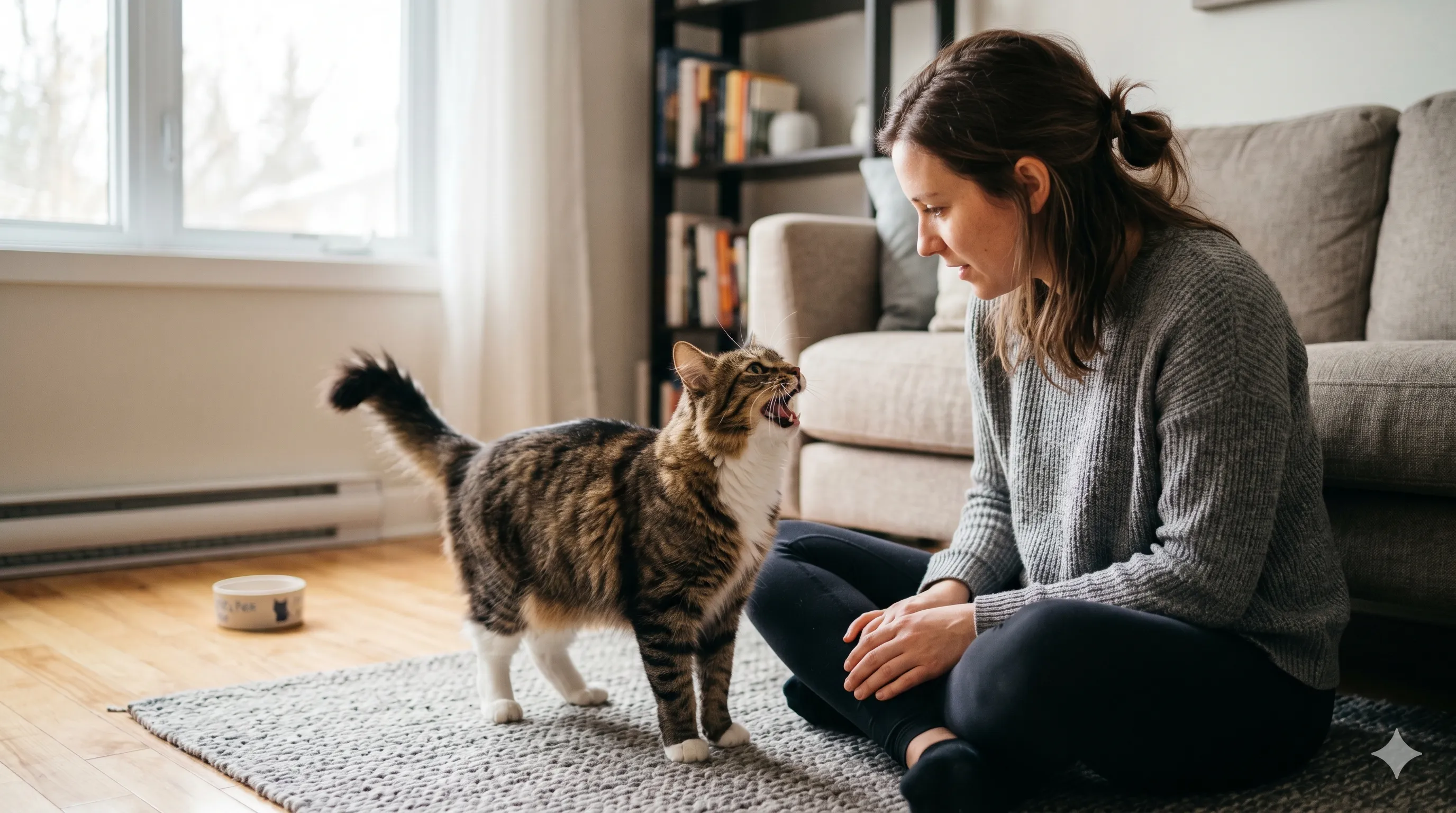
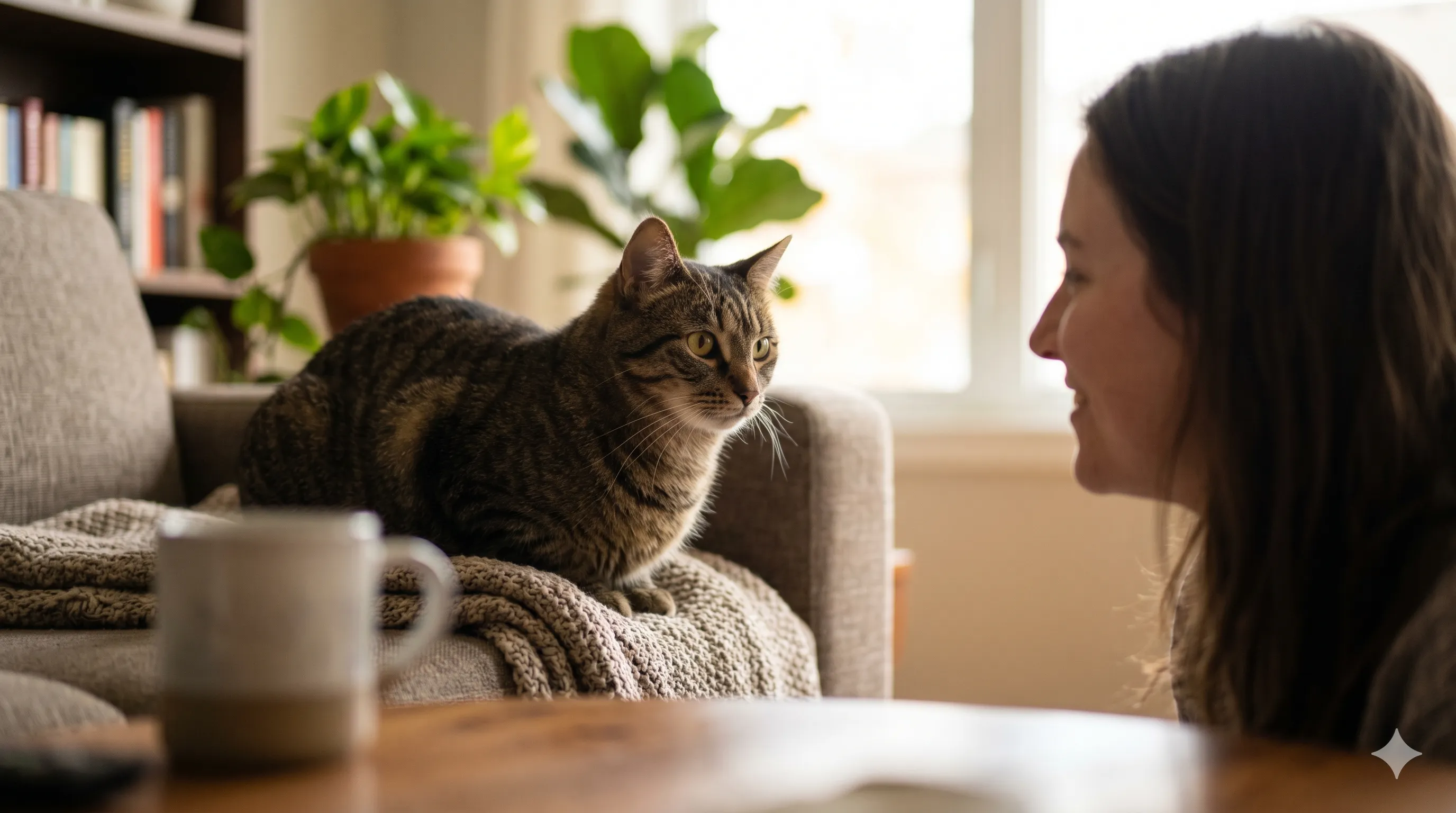
You pause during your day and suddenly notice your cat sitting across the room staring directly at you. Sometimes the stare feels soft and affectionate. Other times, it feels intense enough to make you wonder if something is wrong.
If you've been asking yourself "why does my cat stare at me?", you're definitely not alone. Many cat owners notice this behavior daily but struggle to understand what their cat is actually trying to communicate. slow blinking and kneading are both strong signs that your cat feels safe and emotionally connected to you
The truth is that staring is one of the most important ways cats communicate with humans.
Unlike dogs, cats rely much more heavily on body language, observation, eye contact, posture, and subtle behavioral cues. A cat's stare can express:
- Trust
- Curiosity
- Attention-seeking
- Expectation
- Hunting focus
- Stress or discomfort
The meaning depends heavily on context, body language, timing, and emotional state.
Once you understand why your cat stares, the behavior becomes much easier to interpret and often much more meaningful.
Why Does My Cat Stare at Me? (Quick Answer)
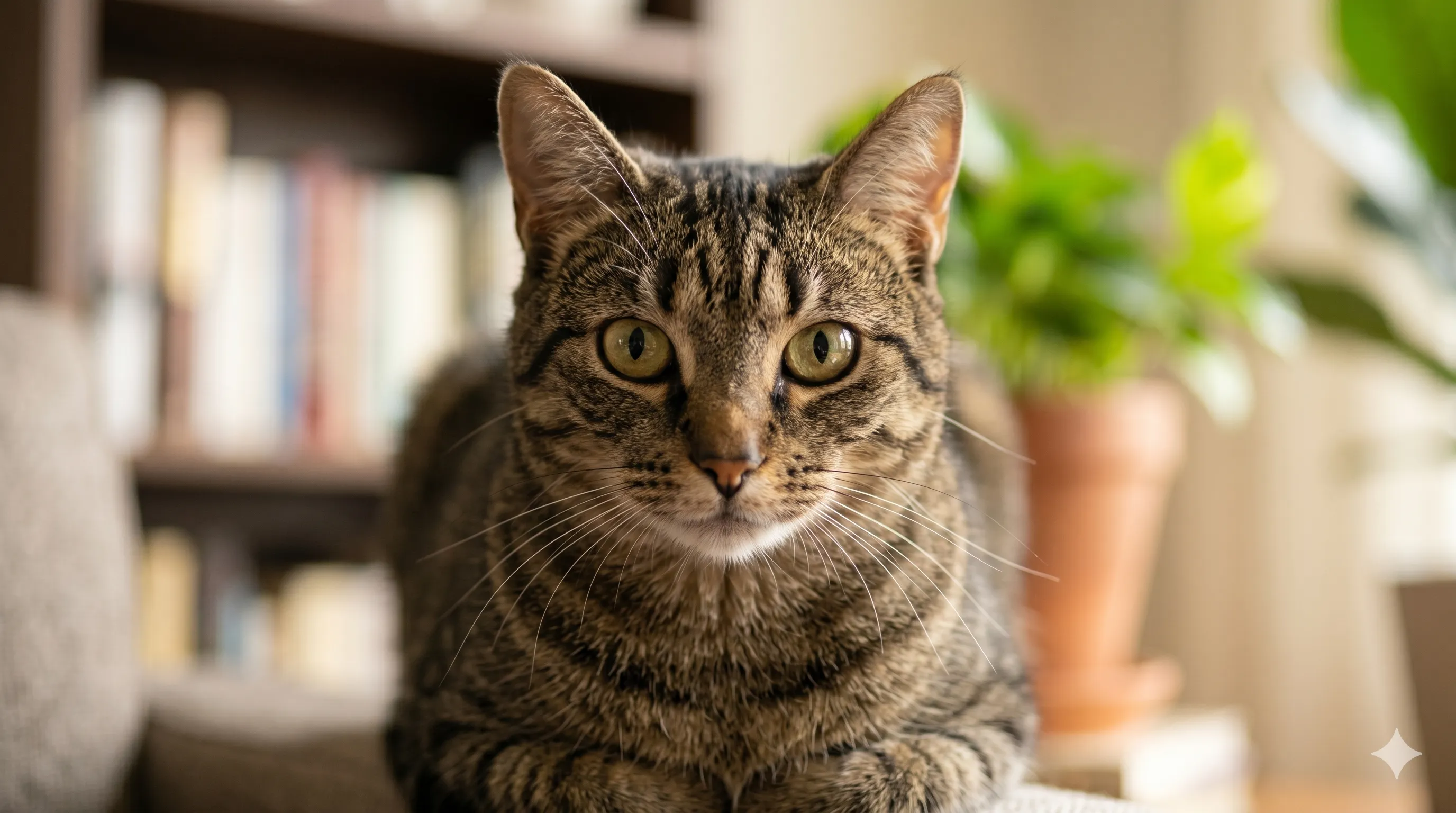
Cats stare at their owners to communicate emotions, monitor behavior, seek attention, express curiosity, or observe routines. In most situations, staring is completely normal and often signals trust, bonding, or expectation.
The key to understanding the stare is looking at the surrounding body language and environment.
Why Eye Contact Matters So Much to Cats
Cats are naturally observant animals.
In the wild, survival depends heavily on constantly monitoring:
- Movement
- Threats
- Prey
- Environmental changes
- Social behavior
Because of this, cats rely heavily on visual observation and body language instead of constant vocal communication.
Your cat watches you because you are the most active and important part of its environment.
Over time, cats also learn routines and emotional patterns by carefully observing human behavior.
Cat Staring Meaning & Response Guide
| Type of Stare | Possible Meaning | Should You Worry? | Helpful Response |
|---|---|---|---|
| Soft eyes + blinking | Trust and affection | No | Slow blink back |
| Wide alert eyes | Curiosity or observation | No | Observe calmly |
| Fixed intense stare | Focus or tension | Sometimes | Check body language |
| Staring + meowing | Attention or request | No | Respond appropriately |
| Staring + crouched posture | Hunting instinct | No | Redirect with play |
| Confused repetitive staring | Possible health concern | Potentially | Monitor behavior closely |
7 Real Reasons Why Cats Stare at You
1. Your Cat Feels Safe and Emotionally Connected
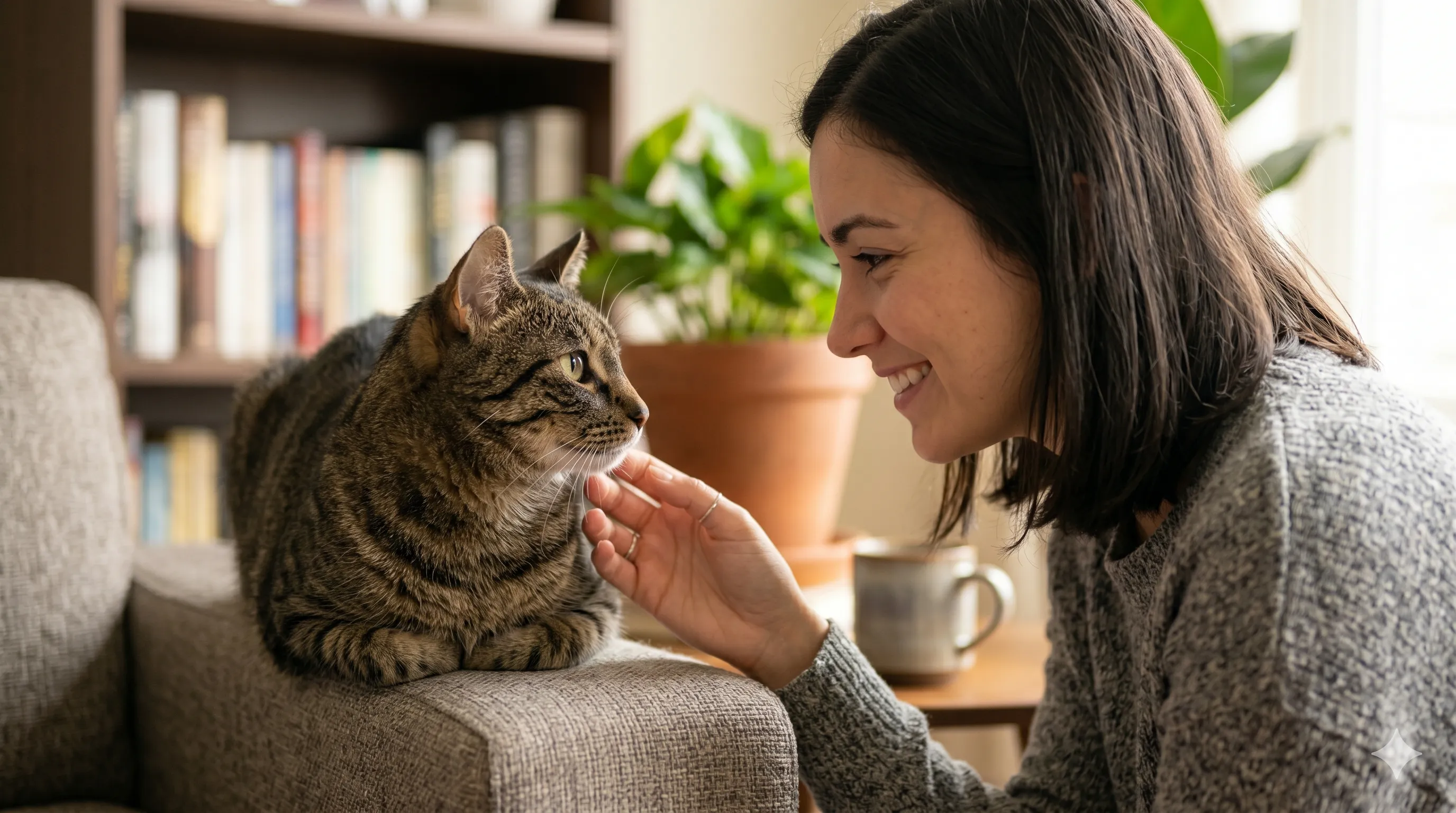
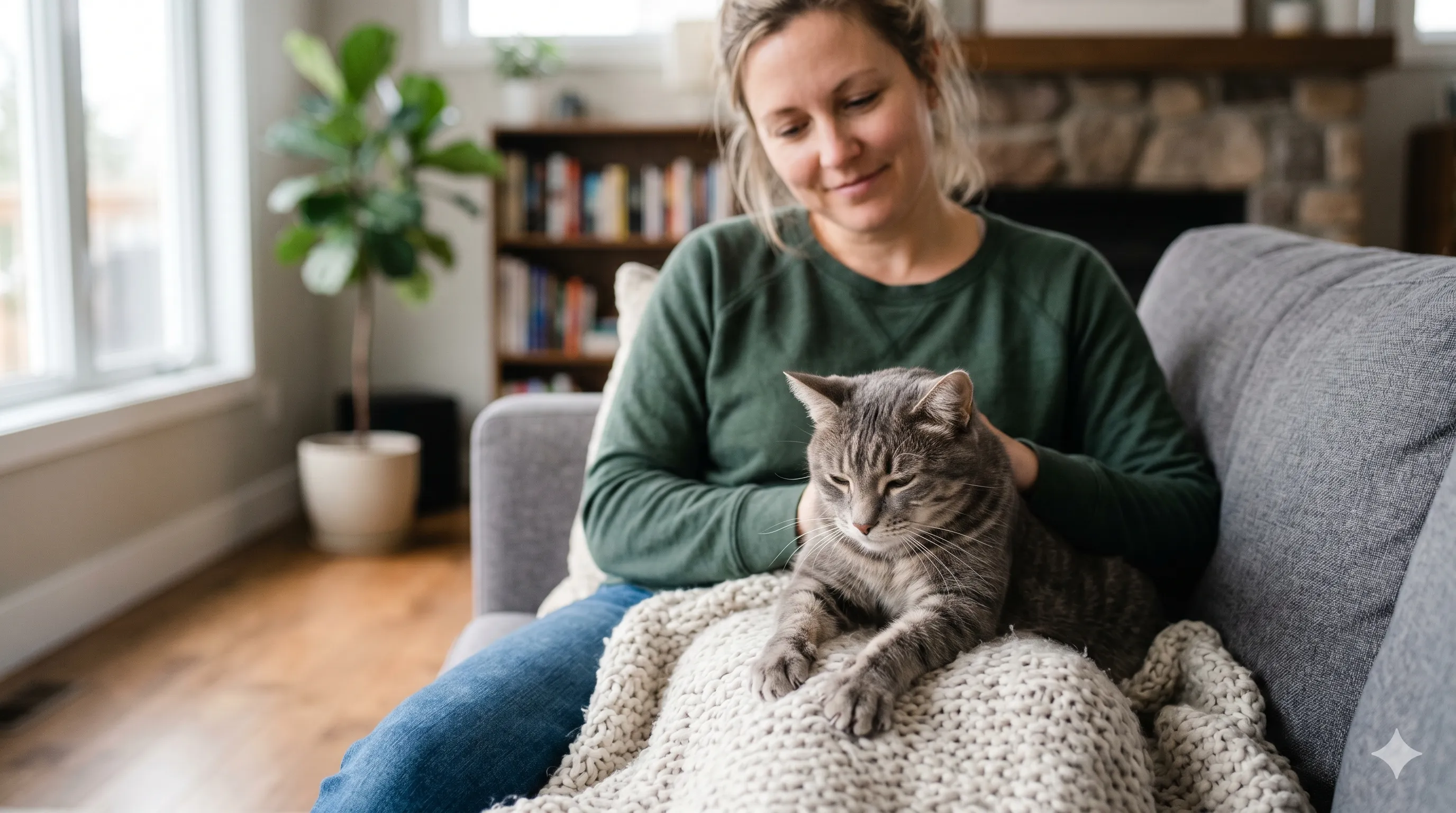
One of the most positive reasons cats stare is emotional bonding.
If your cat looks at you with:
- Relaxed posture
- Soft eyes
- Slow blinking
- Calm body language
the stare is usually a sign of trust and affection.
Cats naturally avoid vulnerable eye contact with individuals they do not trust. A relaxed stare often means your cat feels emotionally safe around you.
Slow blinking and kneading are both strong signs that your cat feels safe and emotionally connected to you. cats that follow their owners everywhere often use staring as another form of silent communication and attachment
Many cat behavior experts even refer to slow blinking as a feline version of a "kiss".
2. Cats Watch Humans Out of Curiosity
Cats are naturally curious observers.
You are the center of movement, sound, routines, and activity inside your home. Watching you helps your cat:
- Predict routines
- Understand patterns
- Monitor environmental changes
- Feel secure
This is especially common in indoor cats that rely heavily on observation for mental stimulation.
Your cat may simply find you interesting.
3. Your Cat Is Expecting Something
Many cats stare because they associate humans with valuable routines.
This commonly happens around:
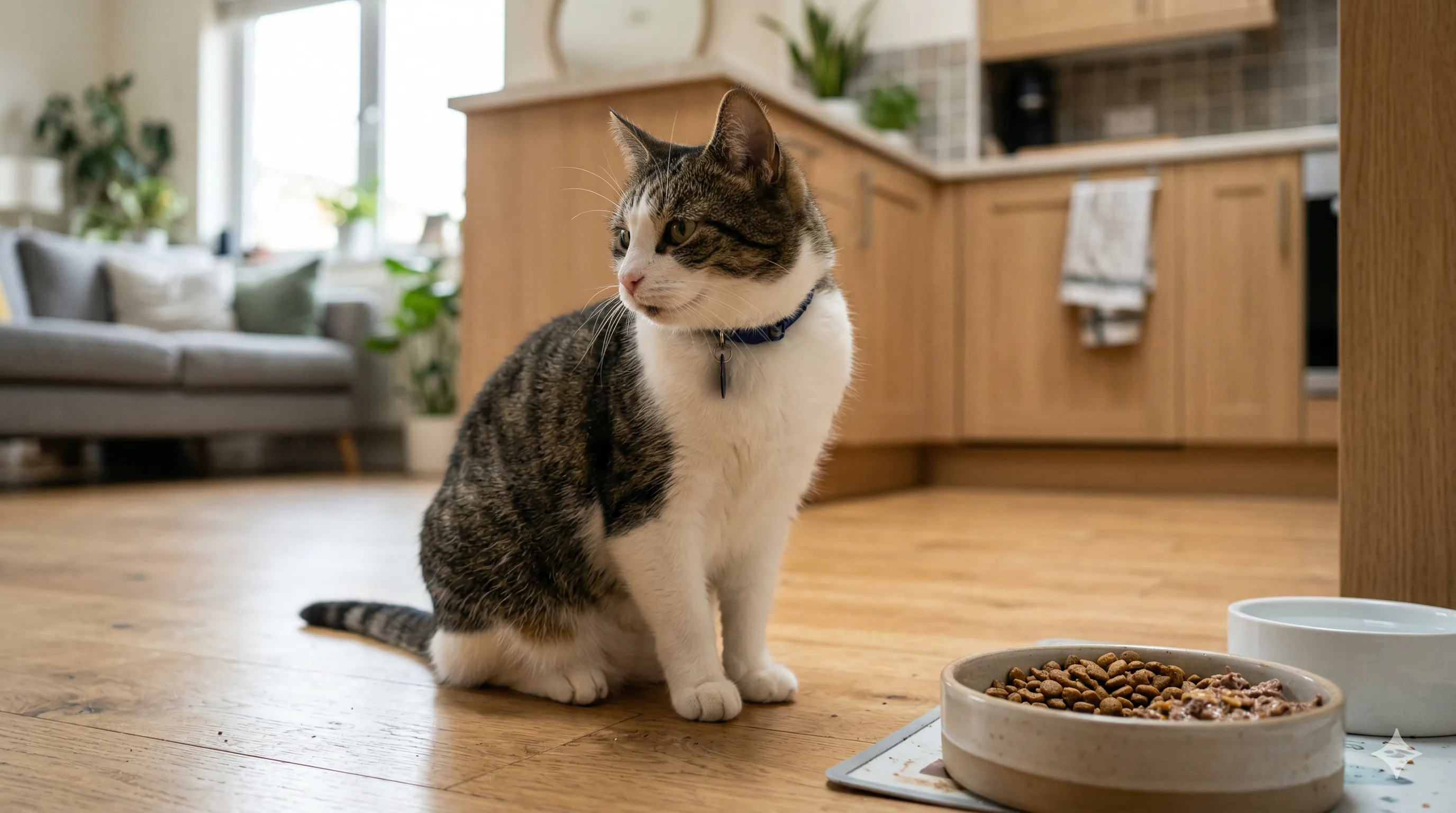
- Feeding times
- Treat schedules
- Playtime
- Door opening
- Morning wake-up routines
Cats quickly learn timing patterns and may stare persistently as a silent reminder that they expect something to happen.
This type of staring is often calm but highly focused.
4. Some Cats Stare to Get Attention
Not all cats communicate loudly.
Many cats prefer quieter attention-seeking behaviors such as:
- Staring
- Sitting nearby
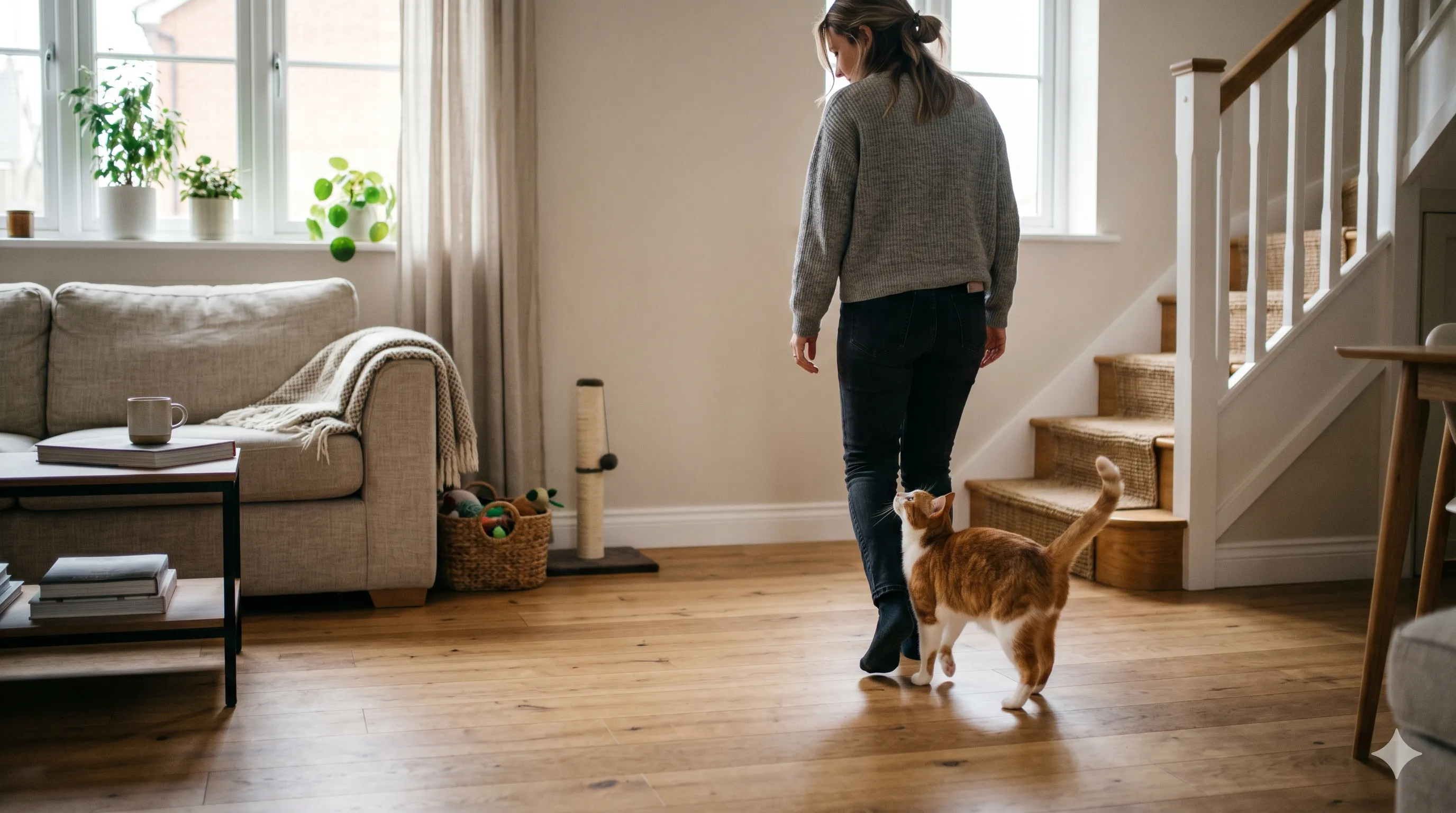
- Following owners
- Gentle paw touches
Cats that follow their owners everywhere often use staring as another form of silent communication and attachment. intense staring is sometimes connected to hunting instincts and playful zoomie behavior in cats
If staring consistently leads to interaction, petting, food, or play, the behavior naturally becomes reinforced.
5. Your Cat Is Monitoring Movement and Safety
Cats instinctively monitor their surroundings constantly.
Watching human movement helps cats stay aware of:
- Environmental changes
- Potential threats
- Routine shifts
- Activity patterns
This is especially common in:
- Alert cats
- Nervous cats
- Highly observant personalities
- New environments
Staring often helps cats feel more in control of their surroundings.
6. Hunting Instinct Can Trigger Intense Staring
Cats are natural predators.
A focused unblinking stare is actually part of a cat's hunting sequence.
You may notice this when your cat watches:
- Toys
- Moving feet
- Hands
- Small objects
- Fast movements
Intense staring is sometimes connected to hunting instincts and playful zoomie behavior in cats. sudden changes in staring behavior combined with excessive vocalization may indicate stress or nighttime behavioral issues
In these situations, the stare is not emotional it is instinctive concentration.
7. In Rare Cases, Staring May Signal Stress or Discomfort
Occasionally, staring can indicate emotional tension or discomfort.
This is more likely when staring appears alongside:
- Tense posture
- Dilated pupils
- Tail flicking
- Flattened ears
- Hissing
- Restlessness
A stressed or threatened cat may use staring as a warning signal before defensive behavior occurs.
Understanding surrounding body language becomes extremely important in these situations.
Normal vs Problematic Staring
Most cat staring behavior is completely harmless.
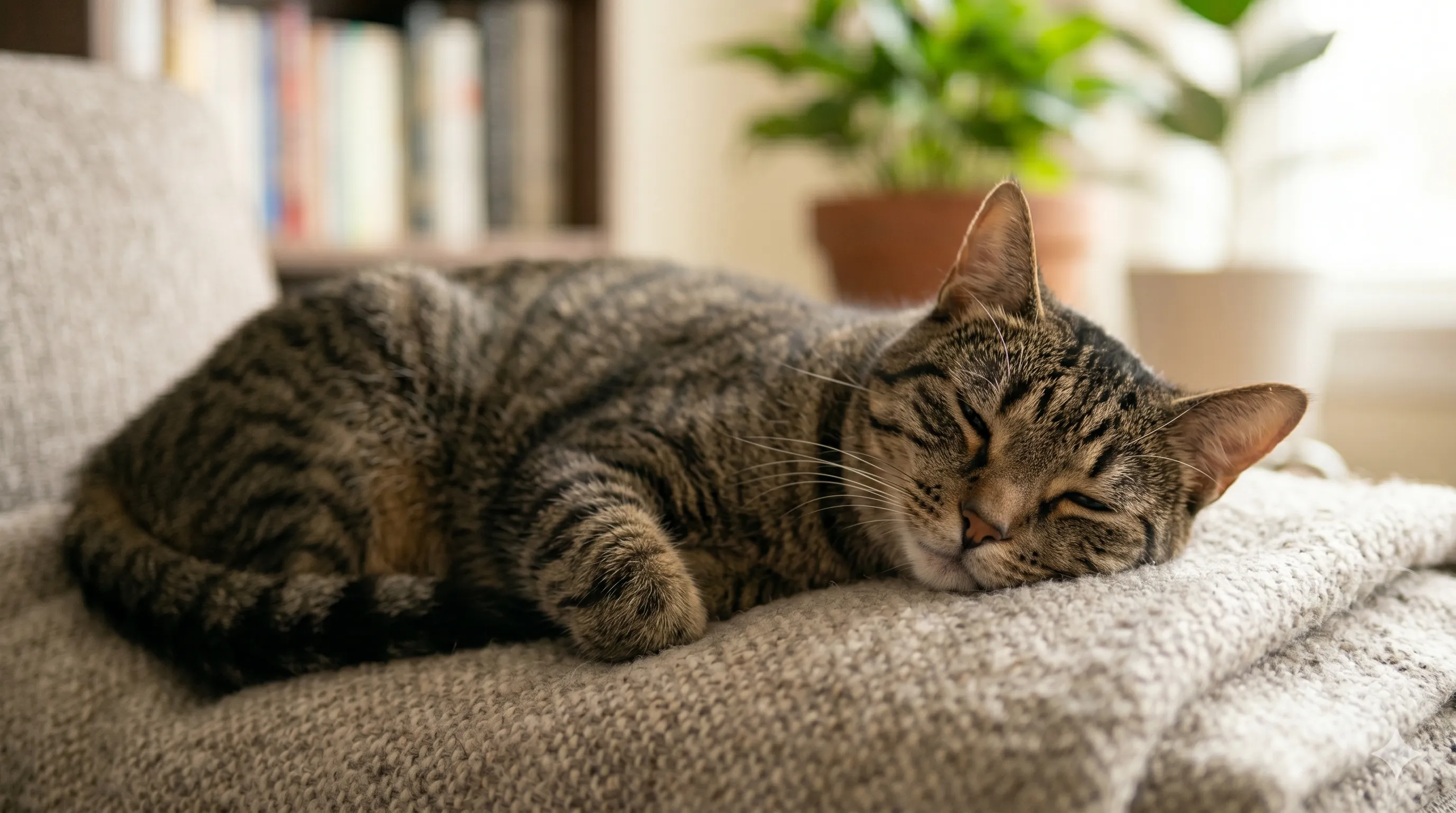
- Normal staring: Relaxed posture, blinking, curiosity, attention-seeking, or routine observation
- Potential concern: Obsessive staring, confusion, aggression, disorientation, or sudden unusual behavior
The emotional context surrounding the stare matters much more than the behavior itself.
When Should You Be Concerned?
While staring is usually normal, certain situations deserve closer attention.
Potential warning signs include:
- Sudden personality changes
- Aggressive body language
- Confusion or disorientation
- Unresponsiveness
- Compulsive repetitive staring
- Major behavioral changes
Sudden changes in staring behavior combined with excessive vocalization may indicate stress or nighttime behavioral issues. understanding feline body language helps owners recognize emotional signals more accurately
If unusual staring behavior appears suddenly or seems connected to confusion or illness, veterinary evaluation may be helpful.
How to Respond When Your Cat Stares at You
1. Slow Blink Back
One of the best ways to communicate comfort and trust to a cat is through slow blinking.
Relax your eyes and blink slowly in return.
Many cats respond positively because this body language signals safety and calmness.
2. Observe the Full Body Language
The eyes alone rarely tell the full story.
Pay attention to:
- Tail movement
- Ear position
- Posture
- Vocalizations
- Timing
This helps you interpret whether the stare means affection, attention-seeking, curiosity, or stress.
3. Respond to Genuine Needs
If your cat consistently stares during feeding time or play routines, it may simply be communicating expectations.
Meeting emotional and environmental needs helps reduce frustration-related behaviors.
4. Avoid Intense Dominant Eye Contact
Long intense eye contact can sometimes feel threatening to cats.
Instead of staring directly back aggressively, maintain softer relaxed eye contact.
This feels safer and more natural for most cats.
5. Maintain a Predictable Routine
Cats feel emotionally safer when routines remain stable.
Consistent:
- Feeding times
- Play schedules
- Sleep routines
- Interaction patterns
help reduce stress and excessive attention-seeking behaviors.
Common Mistakes Owners Make
- Assuming every stare means affection
- Ignoring body language context
- Overreacting to normal behavior
- Misinterpreting hunting focus as aggression
- Ignoring sudden behavioral changes
Example Scenario
The scenario below is an illustrative example of how this situation can play out, not a documented case study.
A cat owner noticed their cat staring intensely every evening from across the kitchen.
At first, the behavior seemed strange and slightly uncomfortable.
However, after observing the timing more carefully, the owner realized the cat had learned the exact dinner schedule and was silently waiting for food preparation to begin.
Once the feeding routine became more predictable, the staring became calmer and less persistent.
Final Thoughts
Understanding why does my cat stare at me helps decode one of the most subtle yet meaningful forms of feline communication.
In most situations, staring is completely normal and often reflects curiosity, observation, trust, emotional bonding, or routine expectations.
The key is learning to interpret the surrounding body language and environmental context rather than focusing on the stare alone.
Understanding feline communication signals helps owners build stronger emotional connections and healthier relationships with their cats. understanding feline communication signals helps owners build stronger emotional connections and healthier relationships with their cats
Once you begin recognizing the meaning behind your cat's stare, the behavior often feels much less mysterious and much more meaningful.
This content is written to provide general educational guidance for cat owners and pet families and is not a substitute for professional veterinary advice.
Medical Disclaimer
This content is provided for informational and educational purposes only and should not be considered veterinary, medical, behavioral, or training advice. While we strive for accuracy, we make no guarantees regarding completeness or results. Always consult a licensed veterinarian or qualified pet care professional before making decisions about your pet’s health, diet, or behavior.
AI Illustration Notice
Some images in this article may have been generated or enhanced using artificial intelligence for illustrative purposes.
Frequently Asked Questions
Cats stare at their owners to communicate emotions, observe routines, seek attention, express curiosity, or monitor their environment.
Yes, soft relaxed staring combined with slow blinking is often a strong sign of trust, affection, and emotional bonding.
An unblinking stare may indicate curiosity, intense focus, hunting instinct, tension, or strong attention toward movement or routines.
Soft relaxed eye contact and slow blinking are okay, but intense prolonged staring can sometimes feel threatening to cats.
Cats often stare while owners sleep because they are observing movement, monitoring routines, seeking comfort, or waiting for interaction.
Yes, sudden obsessive staring combined with confusion, aggression, anxiety, or major behavioral changes may indicate emotional stress or health concerns.
Most cats stare at their owners occasionally, although the frequency depends on personality, bonding, confidence, and communication style.
You should become concerned if staring appears suddenly alongside aggression, confusion, disorientation, or major changes in normal behavior.
Editorial Note
This article is part of PetNurture's educational library.
Topics draw on publicly available educational resources, recognised veterinary organisations, academic publications and established animal welfare references where appropriate.
The specific sources this article draws on are listed in its References section. If you spot an error, please let us know.
References
The information in this article has been reviewed and supported using the following sources.
PetMD
Confirms slow blinking signals trust and lack of threat, and that cats are more likely to approach people who slow-blink at them; supports the 'Your Cat Feels Safe and Emotionally Connected' and 'Slow Blink Back' sections of this article.
Accessed Aug 6, 2026
PetMD
Why Does My Cat Stare at Me? 6 Reasons Cats Stare and What To Do
Direct topical match covering curiosity, attention-seeking, and hunting-focus reasons for staring; supports the '7 Real Reasons Why Cats Stare at You' section of this article.
Accessed Aug 6, 2026
Pet Emergency Guidance
Every pet is unique. If your pet exhibits severe symptoms, sudden behavioral changes, or a medical emergency, do not rely on online guides — contact a licensed veterinarian or emergency clinic immediately.
About PetNurture
PetNurture is an educational library of pet care guides, interactive tools and practical resources for pet parents. We work continuously to keep our content accurate and up to date. Reader feedback helps us maintain content quality.
Related Articles
Popular Cat Guides
Cat
Cat Feeding Calculator
Calculate how much food your cat needs daily based on weight, age, and activity level.