Why Is My Guinea Pig Sneezing? Common Causes & Warning Signs
- Why Is My Guinea Pig Sneezing? (Quick Answer)
- Why Sneezing Deserves Attention in Guinea Pigs
- Common Causes of Guinea Pig Sneezing
- 1. Dusty or Scented Bedding
- 2. Hay Dust
- 3. Poor Ventilation and Ammonia Buildup
- 4. Scented Products and Household Irritants
- 5. Bacterial Respiratory Infection
- 6. Allergies
- Warning Signs That Need Attention
- When to See a Vet
- What Happens at the Appointment
- Treatment and Home Support
- Preventing Sneezing and Respiratory Problems
- Multi-Guinea-Pig Households
- Common Mistakes to Avoid
- Final Thoughts
Note: This article is for informational purposes only and does not replace professional veterinary advice.
If you've noticed your guinea pig sneezing more than usual, it's natural to wonder whether it's harmless or a sign that something's wrong. Guinea pigs sneeze for the same basic reason people do — something is irritating the inside of their nose — but the range of causes runs from completely normal to genuinely serious. A single sneeze while burrowing in hay is rarely worth worrying about. Repeated sneezing, especially alongside discharge, breathing changes, or a drop in appetite, is a different story. This guide walks through what usually causes guinea pig sneezing, the warning signs that separate a passing irritation from a respiratory infection, and what to do next.
Why Is My Guinea Pig Sneezing? (Quick Answer)
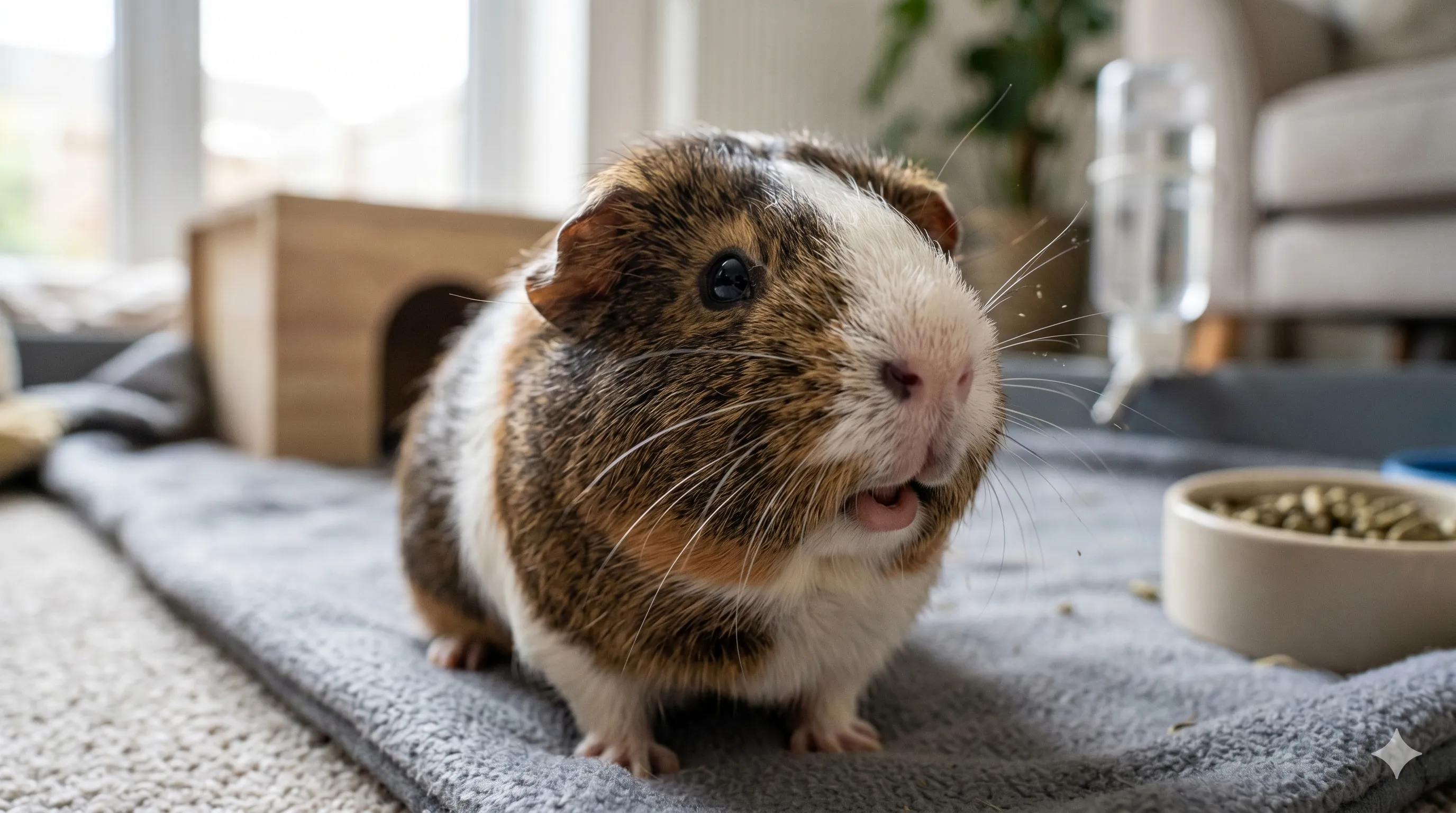
Guinea pigs most often sneeze because of dust, bedding particles, hay debris, poor ventilation, or scented household products irritating their nose. Occasional, isolated sneezing with no other symptoms is usually harmless. Frequent sneezing, sneezing with nasal or eye discharge, labored breathing, or reduced appetite can point to a bacterial respiratory infection and should be checked by a veterinarian experienced with guinea pigs or other exotic small mammals.
Why Sneezing Deserves Attention in Guinea Pigs
Guinea pigs are prey animals, and prey animals instinctively hide signs of illness — in the wild, looking sick makes an animal a target. That instinct doesn't disappear in a pet guinea pig's cage. By the time a respiratory problem is obvious enough for an owner to notice, it may already be more advanced than it looks. This is part of why respiratory infections in guinea pigs can escalate faster than owners expect, and why sneezing that repeats over more than a day or two is worth watching closely rather than waiting to see if it resolves on its own.
Common Causes of Guinea Pig Sneezing
1. Dusty or Scented Bedding
Fine dust in bedding is one of the most common everyday triggers, and softwood shavings like pine or cedar are more likely than other materials to release aromatic oils that irritate the respiratory tract. Switching to low-dust guinea pig bedding options resolves mild cases within a few days for many guinea pigs.
2. Hay Dust
Hay is essential to a guinea pig's diet and dental health, but a dusty batch can cause brief sneezing as your guinea pig noses through it. This type of sneezing is typically isolated and stops once the hay is finished or shaken out before feeding.
3. Poor Ventilation and Ammonia Buildup
Urine breaks down into ammonia, and in a cage that isn't cleaned often enough, ammonia fumes build up and irritate the nose and airways. This is one of the more preventable causes, and sticking to a consistent guinea pig cage cleaning schedule keeps ammonia from building up in the first place.
4. Scented Products and Household Irritants
Air fresheners, scented candles, cleaning sprays, perfume, and cigarette smoke can all irritate a guinea pig's sensitive respiratory system, even at levels a person wouldn't notice. Guinea pigs kept in rooms with frequent aerosol use tend to sneeze more.
5. Bacterial Respiratory Infection
The most serious cause of guinea pig sneezing is a bacterial respiratory infection, most often caused by Bordetella bronchiseptica or Streptococcus pneumoniae. These infections can range from a mild upper respiratory illness to rapidly progressing pneumonia. Because guinea pigs mask illness so effectively, an infection can already be serious by the time sneezing, discharge, or lethargy become noticeable. Unlike dust or hay irritation, a bacterial infection typically doesn't resolve on its own and needs veterinary treatment.
6. Allergies
Like people, some guinea pigs seem more sensitive than others to airborne particles — certain hay varieties, specific bedding materials, or dusty environments in general. If sneezing consistently follows exposure to one particular product, it may be worth switching brands to see whether symptoms improve, even without other signs of illness.
Warning Signs That Need Attention
Occasional sneezing with no other symptoms is rarely a concern. Watch more closely if sneezing appears alongside any of the following:
- Nasal discharge (clear, cloudy, or colored)
- Eye discharge or crusting
- Labored, rapid, or noisy breathing
- Wheezing or a clicking sound while breathing
- Reduced or absent appetite
- Lethargy or hiding more than usual
- Unexplained weight loss
- A head tilt (can indicate the infection has reached the inner ear)
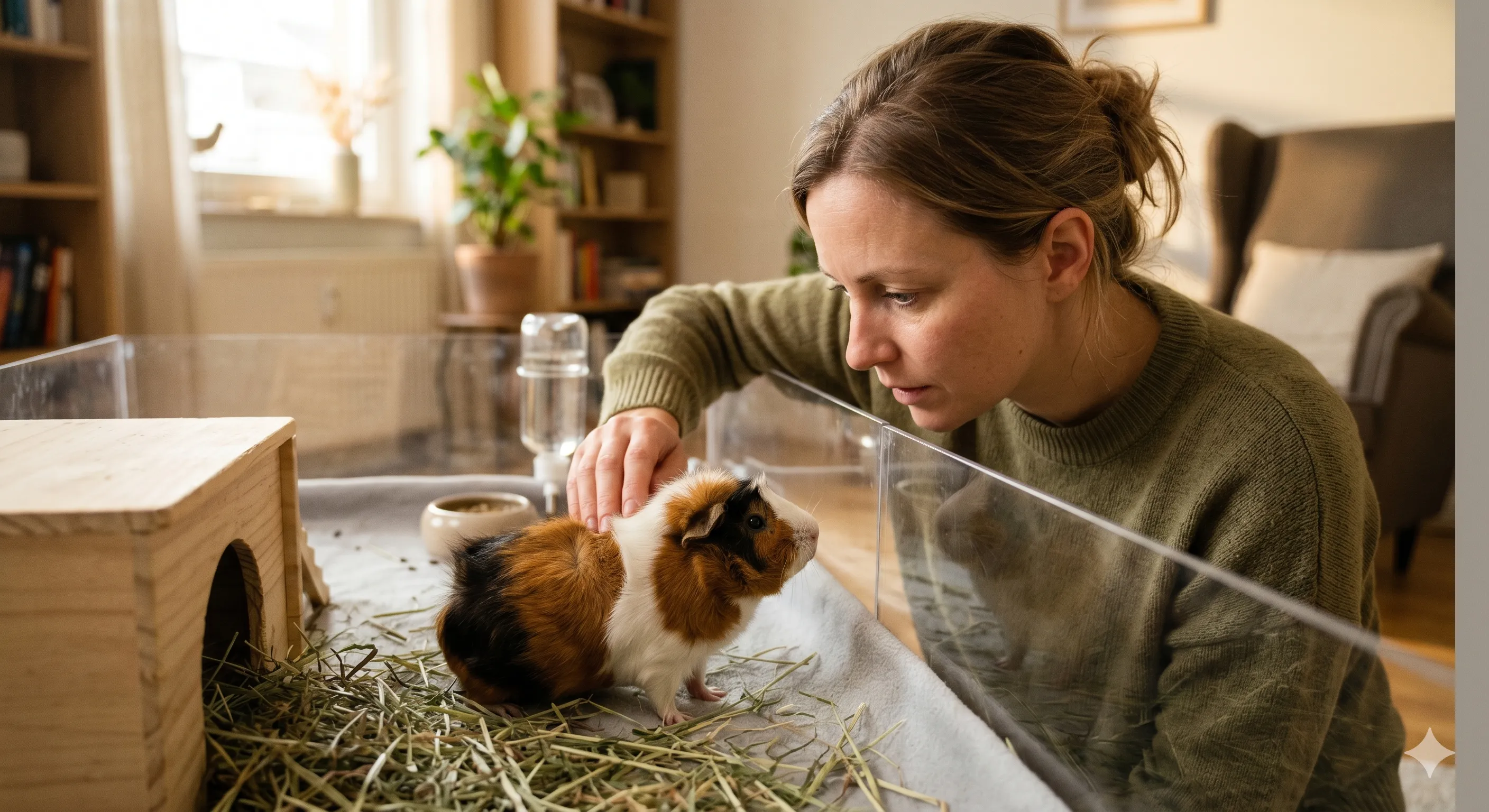
A guinea pig showing several of these signs together — rather than sneezing in isolation — is the clearest indicator that something beyond ordinary dust or hay irritation is going on. A guinea pig that also stops eating needs prompt attention, and our deeper look at guinea pig appetite loss warning signs covers the full list of signs to watch for.
When to See a Vet
Because guinea pigs decline quickly once a respiratory infection takes hold, it's better to have sneezing checked out and find nothing serious than to wait and lose ground on treatment. Contact a veterinarian — ideally one experienced with guinea pigs or other exotic small mammals — if sneezing:
- Continues for more than a day or two
- Is accompanied by any discharge, breathing changes, or appetite loss
- Comes with lethargy, hiding, or reduced activity
- Affects a guinea pig that is elderly, very young, pregnant, or already managing another health condition
A vet can listen to the lungs, examine for discharge, and determine whether antibiotics or other treatment are needed. Respiratory infections in guinea pigs are not something to diagnose or treat at home, since the wrong approach — or simply waiting too long — can allow a treatable infection to progress to pneumonia.
What Happens at the Appointment
A typical visit for a sneezing guinea pig usually starts with a physical exam — listening to the chest, checking the eyes and nose for discharge, and feeling for weight loss. Depending on what the vet finds, they may recommend further diagnostics such as bloodwork or imaging to check how far an infection has progressed, particularly if breathing sounds abnormal. Bringing a brief note of when the sneezing started, how often it happens, and any other changes you've noticed helps the vet get to a diagnosis faster.
Treatment and Home Support
Treatment depends entirely on the cause, which is why a veterinary diagnosis matters before doing anything else. If a vet confirms a bacterial infection, they'll typically prescribe a guinea-pig-safe antibiotic and may recommend supportive care at home during recovery. While you're waiting for or following a vet's guidance, you can help by:
- Switching to low-dust, unscented bedding
- Improving airflow around the enclosure without creating a cold draft
- Cleaning the cage more frequently to reduce ammonia buildup
- Removing scented candles, sprays, or air fresheners from the room
- Keeping food and water easily accessible if your guinea pig is feeling under the weather
- Monitoring appetite and droppings closely, since guinea pigs that stop eating can develop serious digestive complications within a day
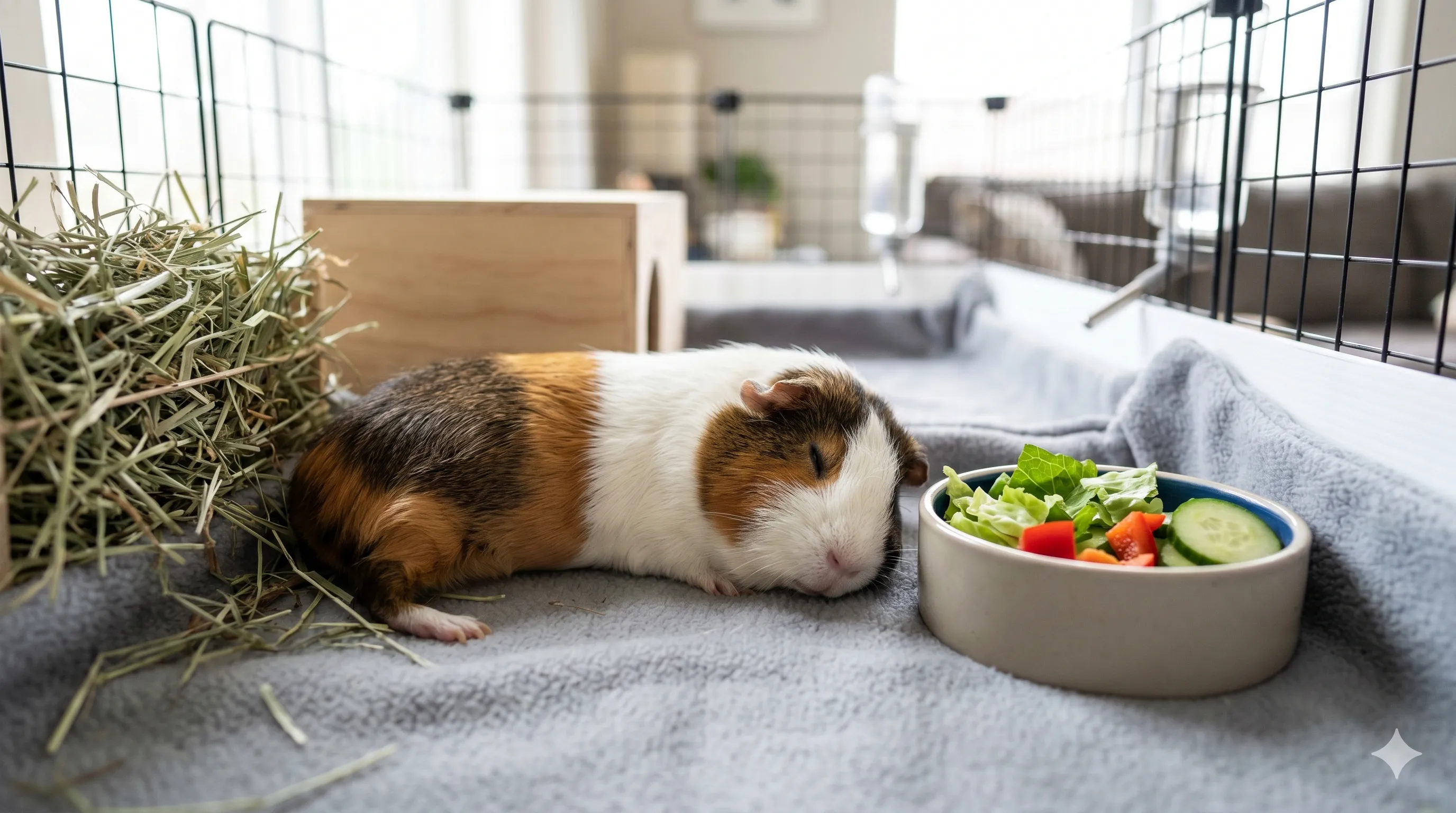
Preventing Sneezing and Respiratory Problems
- Choose low-dust, unscented bedding and store it somewhere dry
- Clean the cage on a consistent schedule rather than waiting until it smells
- Keep the enclosure in a well-ventilated room, away from drafts, heaters, and direct sun
- Buy hay in smaller batches and shake out dusty portions before feeding
- Avoid scented cleaning products, candles, and aerosols near the cage
- House guinea pigs away from smoke of any kind
- Keep new guinea pigs briefly separated and observed before introducing them to existing pets, since respiratory infections can spread between guinea pigs
Multi-Guinea-Pig Households
Because bacterial respiratory infections can pass between guinea pigs, a sneezing guinea pig in a shared enclosure is worth separating for observation until you know whether it's environmental or infectious. If one guinea pig is diagnosed with a bacterial infection, ask your vet whether cage mates should be checked too, even if they aren't showing symptoms yet.
Common Mistakes to Avoid
- Assuming sneezing will pass on its own without watching for other symptoms
- Switching to scented or softwood bedding without checking whether it's low-dust and unscented
- Waiting several days to call a vet once discharge or breathing changes appear
- Using human or other pet cold medications, which can be dangerous for guinea pigs
- Cleaning the cage with strong-smelling disinfectants that add a new irritant while removing another
Final Thoughts
Occasional sneezing is a normal part of life in a hay-filled, bedding-lined enclosure, and most of the time it isn't a sign of anything serious. What matters is paying attention to the pattern: isolated sneezes are usually fine, while frequent sneezing, discharge, or a drop in energy and appetite are signs to get your guinea pig checked out. Because guinea pigs are so good at hiding illness, treating repeated sneezing as an early warning — rather than something to wait out — gives your guinea pig the best chance at a fast, full recovery. For more on keeping your guinea pig's day-to-day environment healthy, see our complete guinea pig care guide.
The takeaway: a stray sneeze is normal, but repeated sneezing paired with discharge, breathing changes, or low appetite means it's time to call the vet.
This guide is intended to help you recognize warning signs early — it isn't a substitute for an exam from a veterinarian familiar with guinea pigs.
Medical Disclaimer
This content is provided for informational and educational purposes only and should not be considered veterinary, medical, behavioral, or training advice. While we strive for accuracy, we make no guarantees regarding completeness or results. Always consult a licensed veterinarian or qualified pet care professional before making decisions about your pet’s health, diet, or behavior.
AI Illustration Notice
Some images in this article may have been generated or enhanced using artificial intelligence for illustrative purposes.
Frequently Asked Questions
Frequent sneezing can mean ongoing irritation from dust or bedding or it can signal a bacterial respiratory infection. A single isolated sneeze is rarely a concern but repeated sneezing over more than a day or two is worth watching closely. If it continues or comes with discharge or breathing changes contact a vet.
Yes, dusty bedding is one of the most common everyday causes of sneezing in guinea pigs. Softwood shavings like pine or cedar tend to be worse offenders than paper-based or fleece bedding. Switching to a low-dust unscented option often clears up mild cases.
Yes, they can be. Bacterial infections such as Bordetella bronchiseptica or Streptococcus pneumoniae can progress from mild sneezing to pneumonia fairly quickly. Because guinea pigs hide illness well an infection is often more advanced than it appears so prompt veterinary care matters.
Worry if sneezing happens repeatedly rather than once or twice or if it appears alongside nasal or eye discharge labored breathing lethargy or appetite loss. These combined signs point toward infection rather than simple dust irritation.
Dusty hay can trigger brief sneezing while your guinea pig noses through it. This type of sneezing usually stops on its own once the dusty portion is finished or shaken out. It's not typically a sign of illness on its own.
Use low-dust unscented bedding and clean the cage on a consistent schedule to limit ammonia buildup. Keep the enclosure away from scented candles sprays and smoke and store hay somewhere dry. Good ventilation without a direct draft also helps.
Yes, if sneezing continues for more than a day or two or comes with discharge breathing changes or reduced appetite. It's better to have a vet rule out infection early since guinea pigs can decline quickly once a respiratory illness takes hold.
Guinea pigs cannot catch human colds since human cold viruses don't infect them the way they infect people. Their sneezing is almost always caused by environmental irritants or guinea-pig-specific bacteria rather than a virus passed from a person.
Some guinea pigs with a respiratory infection develop wheezing a clicking sound while breathing or noticeably labored breathing alongside sneezing. Any unusual breathing sound paired with sneezing is a reason to schedule a vet visit rather than wait it out.
Editorial Note
This article is part of PetNurture's educational library.
Topics draw on publicly available educational resources, recognised veterinary organisations, academic publications and established animal welfare references where appropriate.
The specific sources this article draws on are listed in its References section. If you spot an error, please let us know.
References
The information in this article has been reviewed and supported using the following sources.
VCA Animal Hospitals
Health Problems in Guinea Pigs
Confirms pneumonia and respiratory infections in guinea pigs cause sneezing, nasal/eye discharge, and breathing difficulty, and that overcrowding and stress increase infection risk; supports the 'Respiratory Infection' and 'Warning Signs' sections of this article.
Accessed Aug 6, 2026
RSPCA
Confirms guinea pigs hide illness as prey animals and that behavior changes should prompt closer monitoring; supports the 'When to See a Vet' section of this article.
Accessed Aug 6, 2026
PetMD
Respiratory Bacterial Disease in Guinea Pigs
Confirms Bordetella bronchiseptica as a primary cause of bacterial respiratory infection in guinea pigs, with sneezing, nasal discharge, and anorexia as common signs; supports the Bacterial Respiratory Infection and Warning Signs sections of this article.
Accessed Aug 13, 2026
Pet Emergency Guidance
Every pet is unique. If your pet exhibits severe symptoms, sudden behavioral changes, or a medical emergency, do not rely on online guides — contact a licensed veterinarian or emergency clinic immediately.
About PetNurture
PetNurture is an educational library of pet care guides, interactive tools and practical resources for pet parents. We work continuously to keep our content accurate and up to date. Reader feedback helps us maintain content quality.
Related Articles

Popular Guinea Pig Guides
Guinea Pig
Guinea Pig Cage Size Calculator
Find the minimum recommended cage size for your guinea pigs.
Guinea Pig
Guinea Pig Feeding Calculator
Calculate daily food portions for your guinea pig by weight.