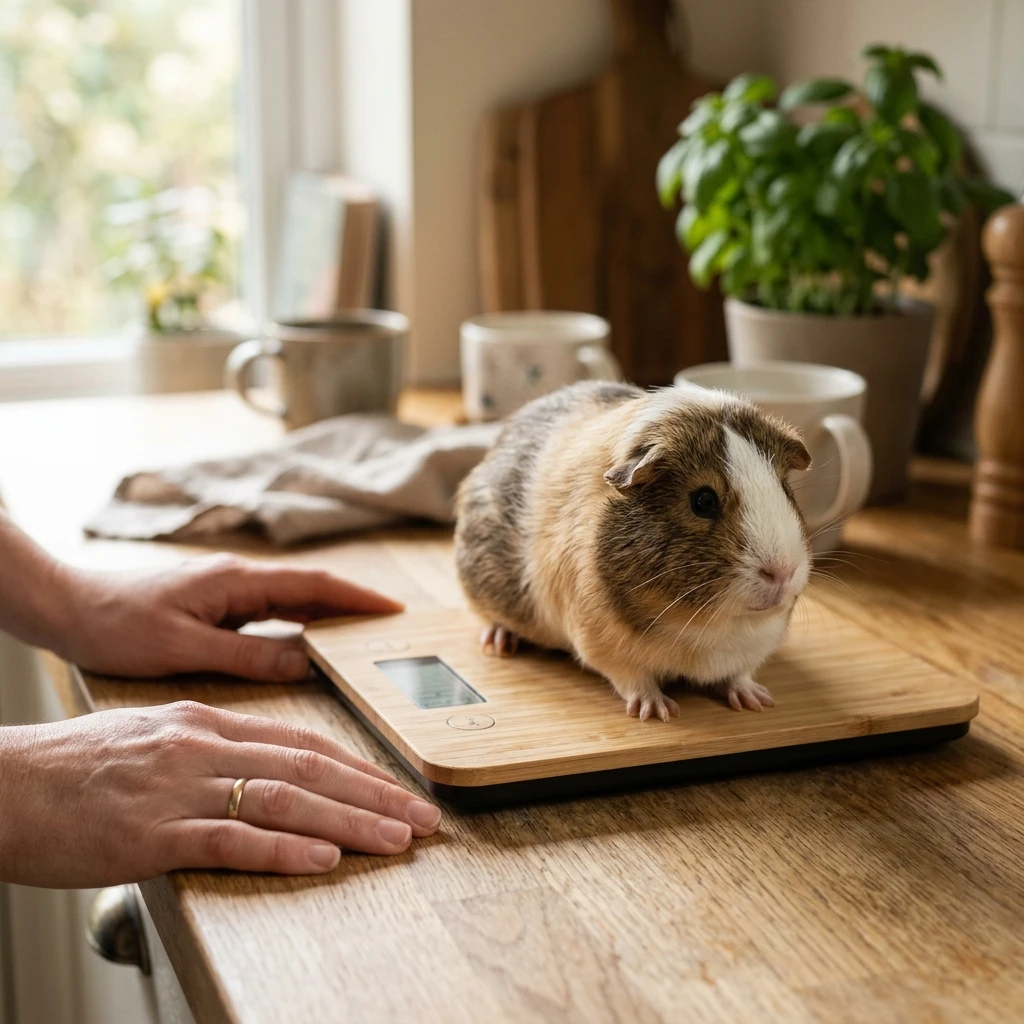
Guinea Pig Poop Meaning Chart (Healthy vs Unhealthy Poop)
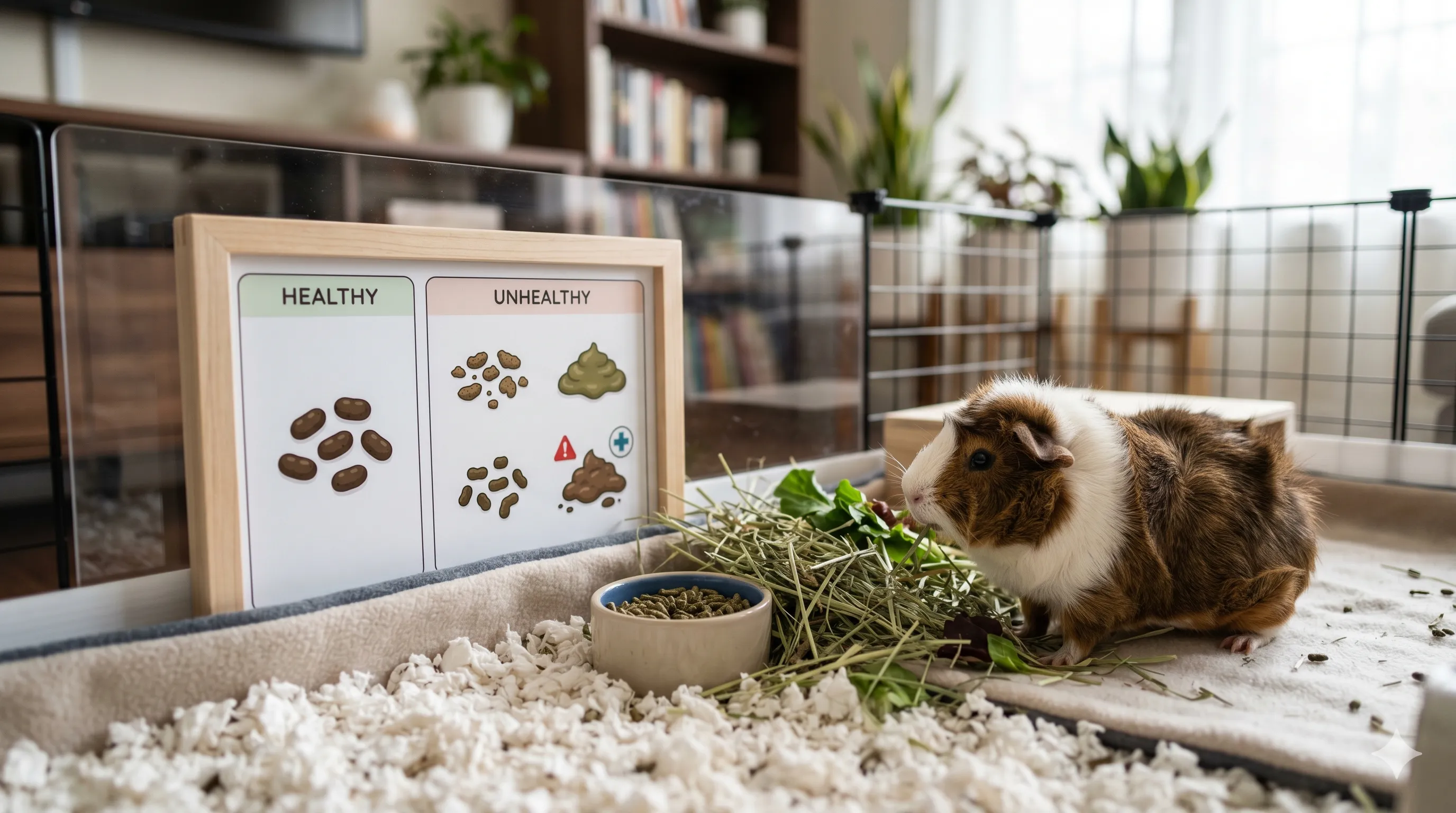
- Guinea Pig Poop Meaning Chart
- What Healthy Guinea Pig Poop Looks Like
- Why Guinea Pig Poop Is Important for Health Monitoring
- Common Types of Unhealthy Guinea Pig Poop
- 1. Small Dry Pellets
- 2. Soft Misshapen Droppings
- 3. Watery Diarrhea
- 4. Mucus-Covered Stool
- What Different Poop Colors May Mean
- Understanding Cecotropes in Guinea Pigs
- Common Causes of Abnormal Guinea Pig Poop
- Poor Diet
- Sudden Food Changes
- Dehydration
- Stress
- Dental Problems
- Infections and Parasites
- Warning Signs That Require Veterinary Attention
- How to Keep Your Guinea Pig's Digestive System Healthy
- Provide Unlimited Hay
- Offer Fresh Water Daily
- Feed Vegetables Gradually
- Limit Sugary Treats
- Monitor Droppings Daily
- Schedule Regular Health Checks
- What Should Healthy Guinea Pig Poop Smell Like?
- Final Thoughts
Note: This article is for informational purposes only and does not replace professional veterinary advice.
Monitoring your guinea pig's droppings may not be the most glamorous part of pet ownership, but it is one of the most important. Guinea pigs produce a large number of droppings every day, and those droppings provide valuable clues about digestion, hydration, nutrition, stress levels, and overall health.
If you've been searching for a guinea pig poop meaning chart, understanding what healthy and unhealthy droppings look like can help you identify potential problems before they become serious.
Because guinea pigs naturally hide signs of illness, changes in poop are often among the first warning signals that something is wrong. A healthy guinea pig typically produces firm, oval-shaped brown pellets consistently throughout the day. Changes in color, size, texture, smell, or frequency can indicate dietary issues, dehydration, digestive upset, infections, or other medical concerns.
In this complete guide, you'll learn how to identify healthy guinea pig poop, understand common abnormal droppings, discover possible causes, and know when veterinary care may be necessary.
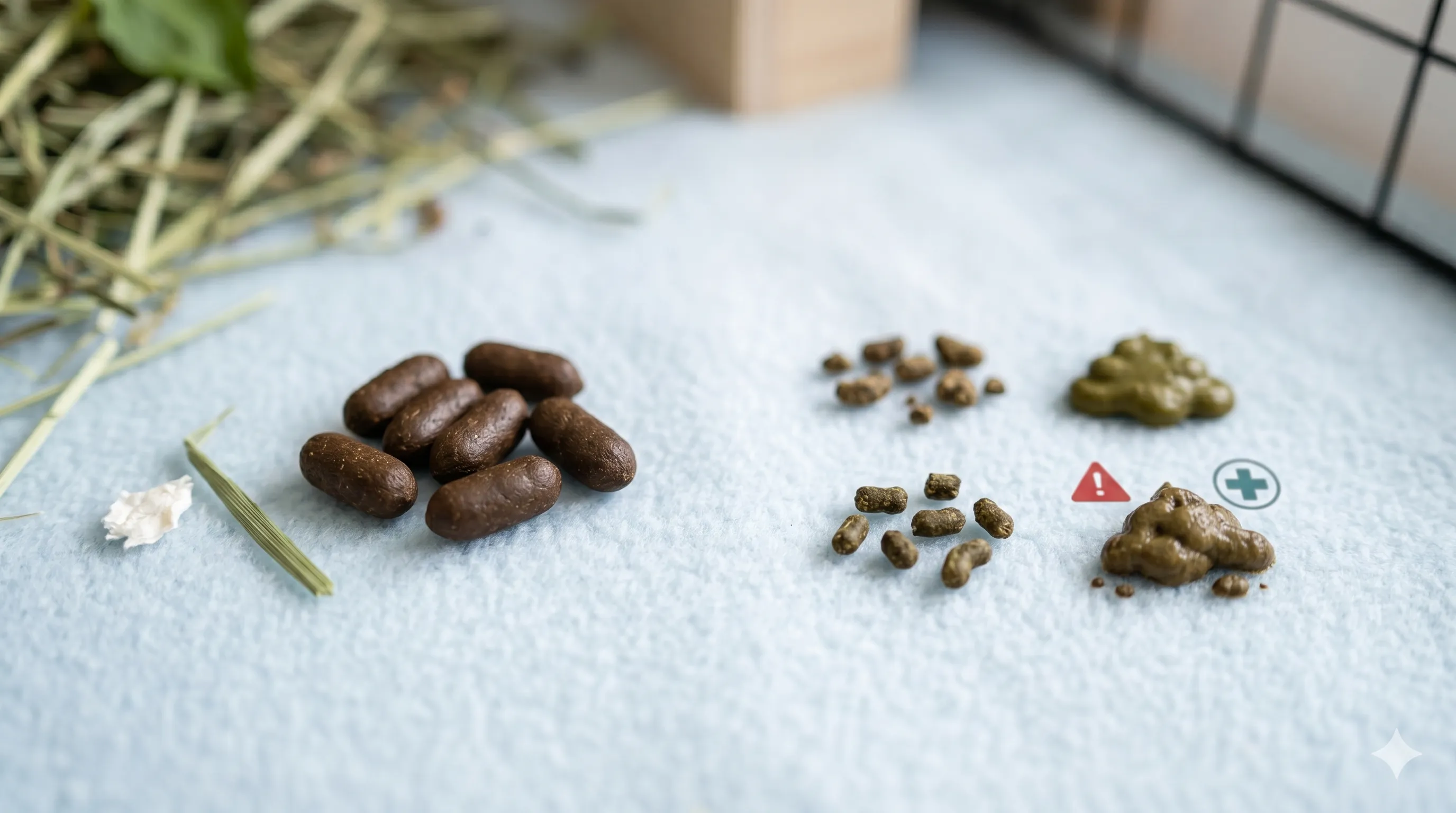
Guinea Pig Poop Meaning Chart
| Poop Type | Possible Meaning | Level of Concern |
|---|---|---|
| Firm, oval, brown pellets | Healthy digestion | Low |
| Small dry pellets | Dehydration or reduced food intake | Moderate |
| Soft misshapen droppings | Dietary imbalance or digestive upset | Moderate |
| Watery diarrhea | Serious digestive illness | High |
| Mucus-covered stool | Inflammation or infection | High |
| Very tiny pellets | Pain, illness, reduced appetite | High |
| Blood in stool | Medical emergency | Very High |
| No droppings produced | Digestive slowdown or blockage | Emergency |
What Healthy Guinea Pig Poop Looks Like
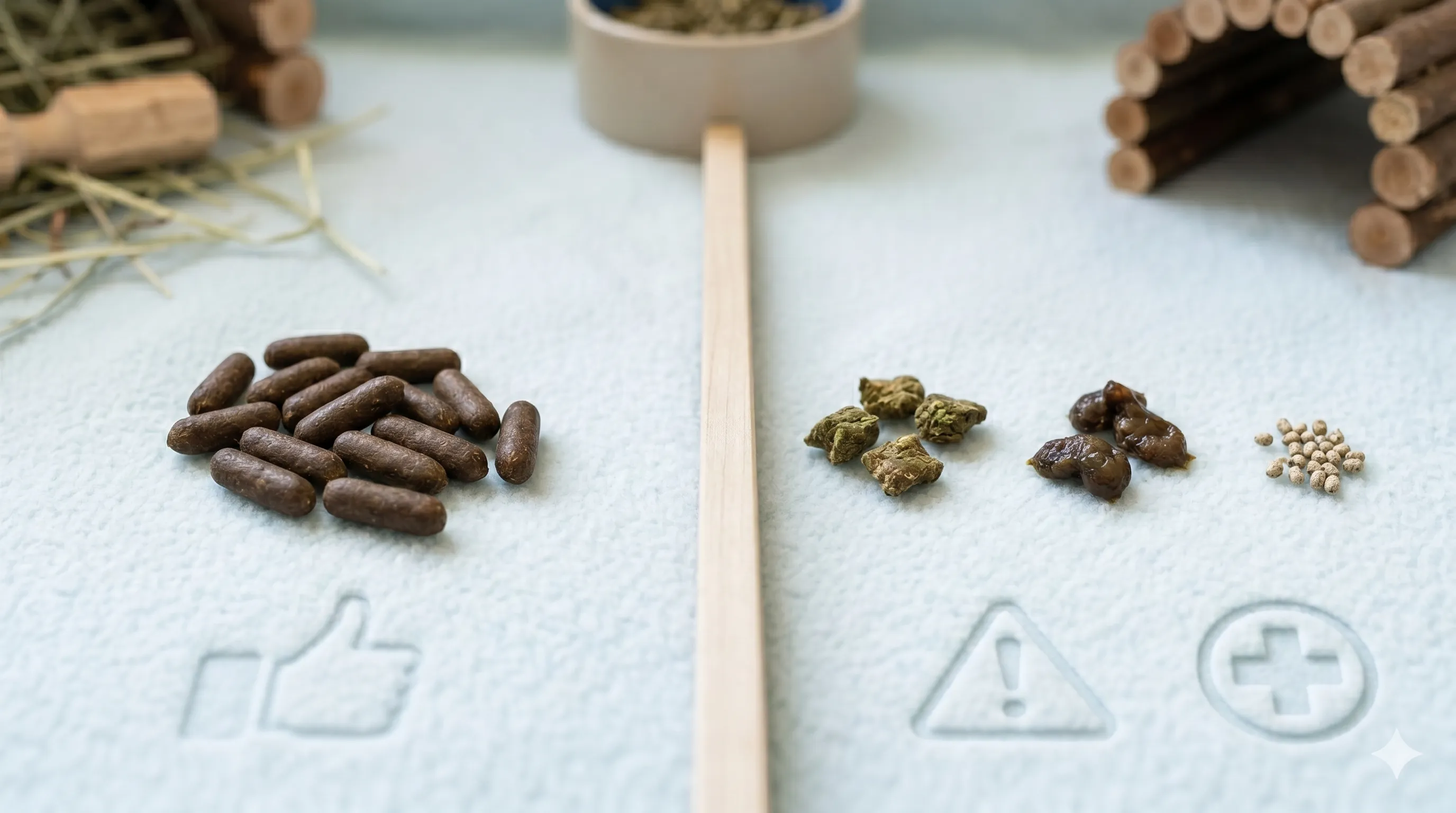
Healthy guinea pig droppings tend to be remarkably consistent. Once you become familiar with your pet's normal poop appearance, it becomes easier to notice potential health changes.
Healthy droppings should generally be:
- Firm but not rock hard
- Oval-shaped
- Medium to dark brown
- Uniform in size
- Dry on the outside
- Produced frequently throughout the day
Guinea pigs consume large amounts of hay, which supports healthy digestion and contributes to normal stool production.
Most healthy guinea pigs produce dozens, and sometimes hundreds, of droppings daily.
Why Guinea Pig Poop Is Important for Health Monitoring
Unlike dogs and cats, guinea pigs often hide signs of illness until they become quite sick. This natural prey-animal behavior makes daily observation extremely important.
Changes in droppings may help identify:
- Digestive problems
- Dehydration
- Nutritional deficiencies
- Stress-related issues
- Dental disease
- Parasitic infections
- Serious gastrointestinal conditions
Many guinea pig health problems first appear through changes in eating habits and stool quality.
signs of illness in guinea pigsCommon Types of Unhealthy Guinea Pig Poop
1. Small Dry Pellets
Small, dry droppings are often associated with dehydration or reduced food consumption.
Possible causes include:
- Not drinking enough water
- Dental problems
- Pain
- Stress
- Illness reducing appetite
If dry pellets continue for more than a day, further investigation may be needed.
2. Soft Misshapen Droppings
Soft droppings often indicate digestive imbalance.
Potential causes include:
- Sudden diet changes
- Too many sugary treats
- Excess fruit
- Insufficient hay intake
- Digestive sensitivity
Occasional soft stools may not be alarming, but persistent problems should not be ignored.
3. Watery Diarrhea
True diarrhea is uncommon in healthy guinea pigs and should always be taken seriously.
Symptoms may include:
- Watery stool
- Messy rear end
- Dehydration
- Lethargy
- Reduced appetite
Because diarrhea can quickly become life-threatening, prompt veterinary attention is recommended.
4. Mucus-Covered Stool
Visible mucus may indicate irritation or inflammation within the digestive tract.
Possible causes include:
- Bacterial infections
- Parasites
- Digestive inflammation
- Severe dietary imbalance
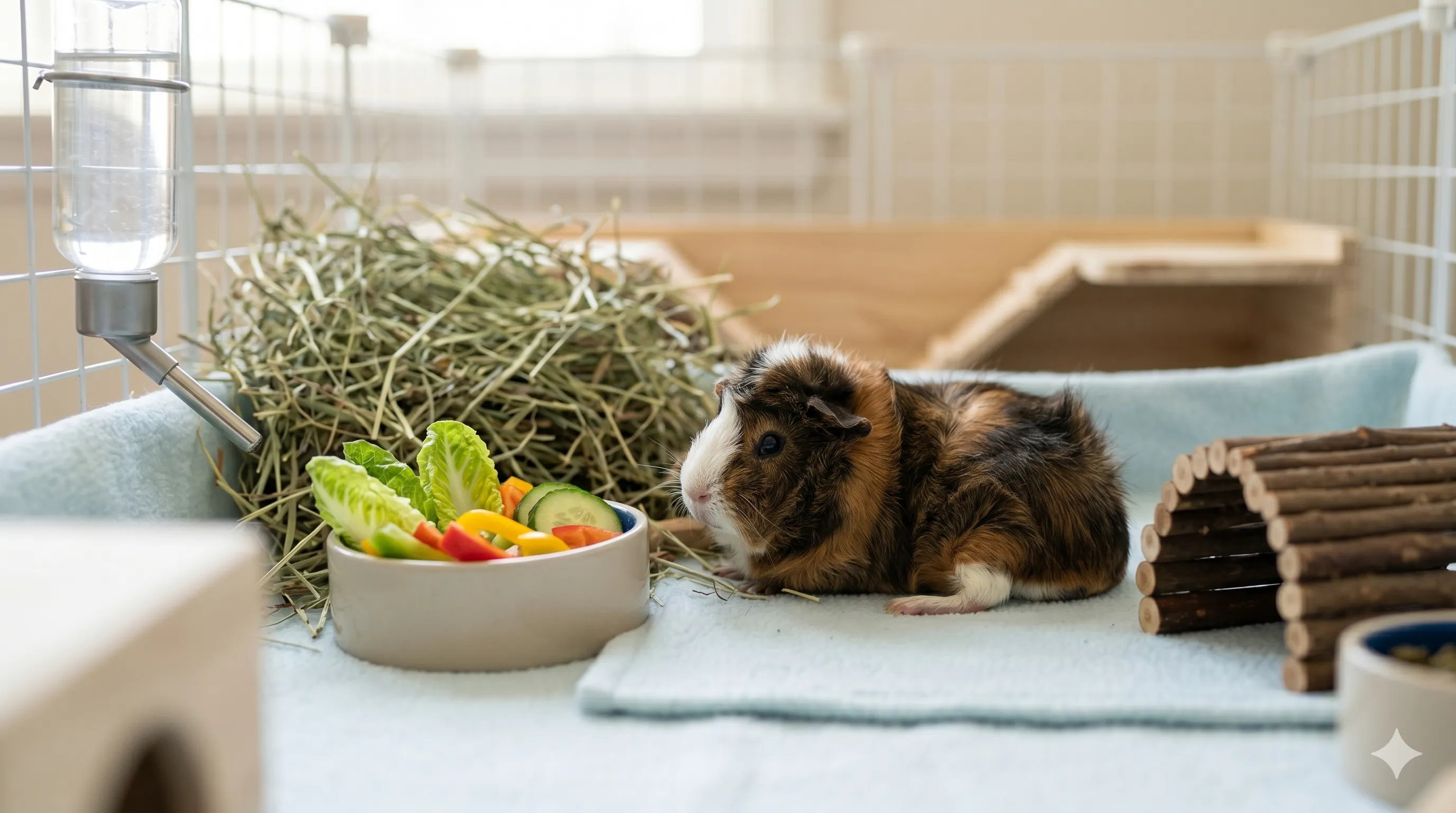
Mucus-covered droppings warrant veterinary evaluation.
What Different Poop Colors May Mean
Normal guinea pig poop ranges from medium brown to dark brown.
| Color | Possible Explanation |
|---|---|
| Medium brown | Normal healthy stool |
| Dark brown | Normal variation |
| Greenish tint | Recent vegetable consumption |
| Black tar-like stool | Possible bleeding, veterinary attention needed |
| Red streaks | Possible blood, seek veterinary care |
| Pale stool | Dietary or digestive concern |
Color changes should always be evaluated alongside other symptoms and overall behavior.
Understanding Cecotropes in Guinea Pigs
Many owners become concerned after noticing unusual soft droppings, only to discover they are actually cecotropes.
Cecotropes are special nutrient-rich droppings produced by the digestive system.
Guinea pigs normally consume these directly from their bodies, allowing them to absorb additional nutrients and beneficial bacteria.
Cecotropes are:
- Softer than regular droppings
- Clustered together
- Nutrient-rich
- Normally eaten immediately
Finding occasional cecotropes is not necessarily a sign of illness.
understanding guinea pig body languageCommon Causes of Abnormal Guinea Pig Poop
Poor Diet
Diets low in hay and high in sugary treats commonly contribute to digestive problems.
Sudden Food Changes
Introducing new foods too quickly can upset the delicate balance of gut bacteria.
Dehydration
Insufficient water intake often results in smaller, drier droppings.
Stress
Environmental changes, loud noises, travel, or social conflicts may affect digestion.
Dental Problems
Guinea pigs with painful teeth often eat less, leading to reduced stool production.
Infections and Parasites
Bacterial, viral, and parasitic illnesses can cause significant stool abnormalities.
Warning Signs That Require Veterinary Attention
Contact an exotic veterinarian promptly if abnormal droppings occur alongside:
- Loss of appetite
- Lethargy
- Weight loss
- Bloating
- Difficulty breathing
- Blood in stool
- Continuous diarrhea
- No droppings for several hours
Guinea pigs can deteriorate rapidly when digestive issues develop.
guinea pig sounds and communicationHow to Keep Your Guinea Pig's Digestive System Healthy
Provide Unlimited Hay
Hay should make up the majority of a guinea pig's diet and is critical for healthy digestion.
Offer Fresh Water Daily
Proper hydration helps maintain normal stool consistency.
Feed Vegetables Gradually
Introduce new foods slowly to avoid digestive upset.
Limit Sugary Treats
Excess fruit and treats can disrupt healthy gut function.
Monitor Droppings Daily
Daily observation helps identify changes before serious problems develop.
Schedule Regular Health Checks
Routine veterinary examinations can help detect underlying issues early.
What Should Healthy Guinea Pig Poop Smell Like?
Healthy guinea pig droppings generally have very little odor.
A strong foul smell may indicate:
- Digestive imbalance
- Dietary issues
- Infection
- Poor cage hygiene
Sudden odor changes should not be ignored, especially if accompanied by stool changes.
Final Thoughts
Your guinea pig's droppings provide one of the easiest and most reliable ways to monitor overall health.
Healthy poop should be firm, oval-shaped, consistently sized, and brown in color. Changes in size, texture, color, frequency, or smell can often signal developing health concerns before other symptoms appear.
Regular observation, proper nutrition, unlimited hay, fresh water, and prompt veterinary care when abnormalities arise can help keep your guinea pig healthy and comfortable for years to come.
This article is intended for educational purposes only and should not replace professional veterinary advice. If your guinea pig develops diarrhea, blood in stool, appetite loss, lethargy, or significant stool changes, consult an experienced exotic veterinarian promptly.
Medical Disclaimer
This content is provided for informational and educational purposes only and should not be considered veterinary, medical, behavioral, or training advice. While we strive for accuracy, we make no guarantees regarding completeness or results. Always consult a licensed veterinarian or qualified pet care professional before making decisions about your pet’s health, diet, or behavior.
AI Illustration Notice
Some images in this article may have been generated or enhanced using artificial intelligence for illustrative purposes.
Frequently Asked Questions
Healthy guinea pig poop should be firm, oval-shaped, medium to dark brown, consistent in size, and produced frequently throughout the day.
Small droppings may indicate dehydration, reduced food intake, stress, pain, dental problems, or developing illness.
Occasional soft droppings may occur after dietary changes, but persistent soft stool can indicate digestive imbalance and should be monitored closely.
Diarrhea may be caused by infections, parasites, severe dietary changes, digestive disease, or other medical conditions and often requires prompt veterinary care.
Healthy guinea pig poop is usually medium brown to dark brown in color.
Mucus-covered stool may indicate digestive tract irritation, inflammation, infection, or other gastrointestinal problems that require veterinary attention.
Healthy guinea pigs typically produce dozens to hundreds of droppings every day because of their high-fiber diet.
Yes, sudden diet changes can disrupt gut bacteria and cause soft stools, abnormal droppings, or digestive upset.
Cecotropes are soft nutrient-rich droppings that guinea pigs normally consume to obtain additional nutrients and beneficial bacteria.
You should contact a veterinarian if abnormal poop occurs with appetite loss, lethargy, bloating, blood in stool, diarrhea, weight loss, or if your guinea pig stops producing droppings.
Editorial Note
This article is part of PetNurture's educational library.
Topics draw on publicly available educational resources, recognised veterinary organisations, academic publications and established animal welfare references where appropriate.
The specific sources this article draws on are listed in its References section. If you spot an error, please let us know.
References
The information in this article has been reviewed and supported using the following sources.
VCA Animal Hospitals
Confirms hay is critical for maintaining healthy gut bacteria and normal digestion; supports the emphasis on hay intake throughout this article.
Accessed Aug 6, 2026
VCA Animal Hospitals
Health Problems in Guinea Pigs
Confirms GI stasis and digestive illness as serious guinea pig health concerns linked to changes in droppings and appetite; supports the 'Warning Signs That Require Veterinary Attention' section of this article.
Accessed Aug 6, 2026
Pet Emergency Guidance
Every pet is unique. If your pet exhibits severe symptoms, sudden behavioral changes, or a medical emergency, do not rely on online guides — contact a licensed veterinarian or emergency clinic immediately.
About PetNurture
PetNurture is an educational library of pet care guides, interactive tools and practical resources for pet parents. We work continuously to keep our content accurate and up to date. Reader feedback helps us maintain content quality.
Related Articles
Popular Guinea Pig Guides
Guinea Pig
Guinea Pig Feeding Calculator
Calculate daily food portions for your guinea pig by weight.