What Pet Should I Get? Take the Quiz

Answer 8 quick questions about your time, space, experience and household, and we'll rank a dog, cat, rabbit, guinea pig and hamster for you. Thinking of a pet as a gift? Read the note below the quiz first.

1 of 8

How much time can you give a pet every day?

Include feeding, cleaning, exercise and play.

⏱️Under 30 minutesShort, simple routines
πŸ•About an hourA steady daily routine
⏳2 hours or moreLots of active time

How much space do you have?

Pets need room to move, hide and exercise.

🏒SmallStudio or small apartment
🏠MediumApartment or house
🌾LargeBig home or garden

What is your pet experience?

Some pets need more specialist care.

🐣First-time ownerNew to pets
🐾Some experienceHave had a pet before
πŸ†ExperiencedConfident with animal care

Who lives in your home?

Some pets suit children better than others, always with adult supervision.

πŸ‘€Single adultJust me
πŸ‘₯Adults onlyTwo or more adults
πŸ‘¨β€πŸ‘©β€πŸ‘§Children at homeKids live here
🏑Quiet householdCalm, peaceful home

How often are you away from home?

Some pets cannot be left alone for long.

🏠Home most of the dayRemote work or retired
πŸ’ΌAway on workdaysOut 6 to 9 hours
✈️Away a lotTravel often

How much do you want to interact with your pet?

Some pets love cuddles; others are better to watch.

πŸ€—A lotCuddles, play, walks
πŸ–οΈSomeHandling now and then
πŸ‘€Mostly watchingEnjoy them doing their thing

Are you fine with a pet that is active in the evening and at night?

Hamsters and some other small pets are often most active after dark.

πŸŒ™YesNight noise is fine
😴NoI need quiet at night

How long can you commit to a pet?

Lifespans range from a few years to well over ten, according to the sources named on each result.

πŸ“…A few yearsUp to about 3 years
πŸ—“οΈAround 4 to 8 yearsA medium commitment
πŸ“†10 years or moreA long-term commitment
This quiz covers five common pets. It does not cover birds, fish, reptiles or other pets. Results are general suggestions, not a guarantee of how a pet will fit your life.
Quick Answer

The best pet depends on how much time, space and experience you have and who lives in your home. Dogs need the most daily time and cannot be left for long, cats suit many homes, rabbits and guinea pigs are social and should normally be kept in pairs, and hamsters are small, short-lived and live alone. This quiz scores five common pets against your answers.

How This Tool Works

Answer eight questions about your time, space, experience, household, schedule, interaction preference, night noise and commitment length.

  1. You answer eight questions about your life.
  2. Each pet is scored on how well its needs match your answers, with 2 points available per question.
  3. You get a ranked list with lifespan, relative cost, pros and cons, and a link to a tool for that pet.

Thinking of a Pet as a Gift?

A pet is a long commitment, not a surprise present. Lifespans range from about two to three years for a hamster (PDSA) and four to eight years for a guinea pig (PDSA), to 8 to 12 years for a rabbit (RSPCA) and roughly 8 to 15 years for a dog depending on size (AKC). PDSA says cats live to around 14 years on average.

  • Decide together, and make sure every adult in the home agrees to share care.
  • The RSPCA says no child should be the sole owner of any animal; an adult must always take responsibility.
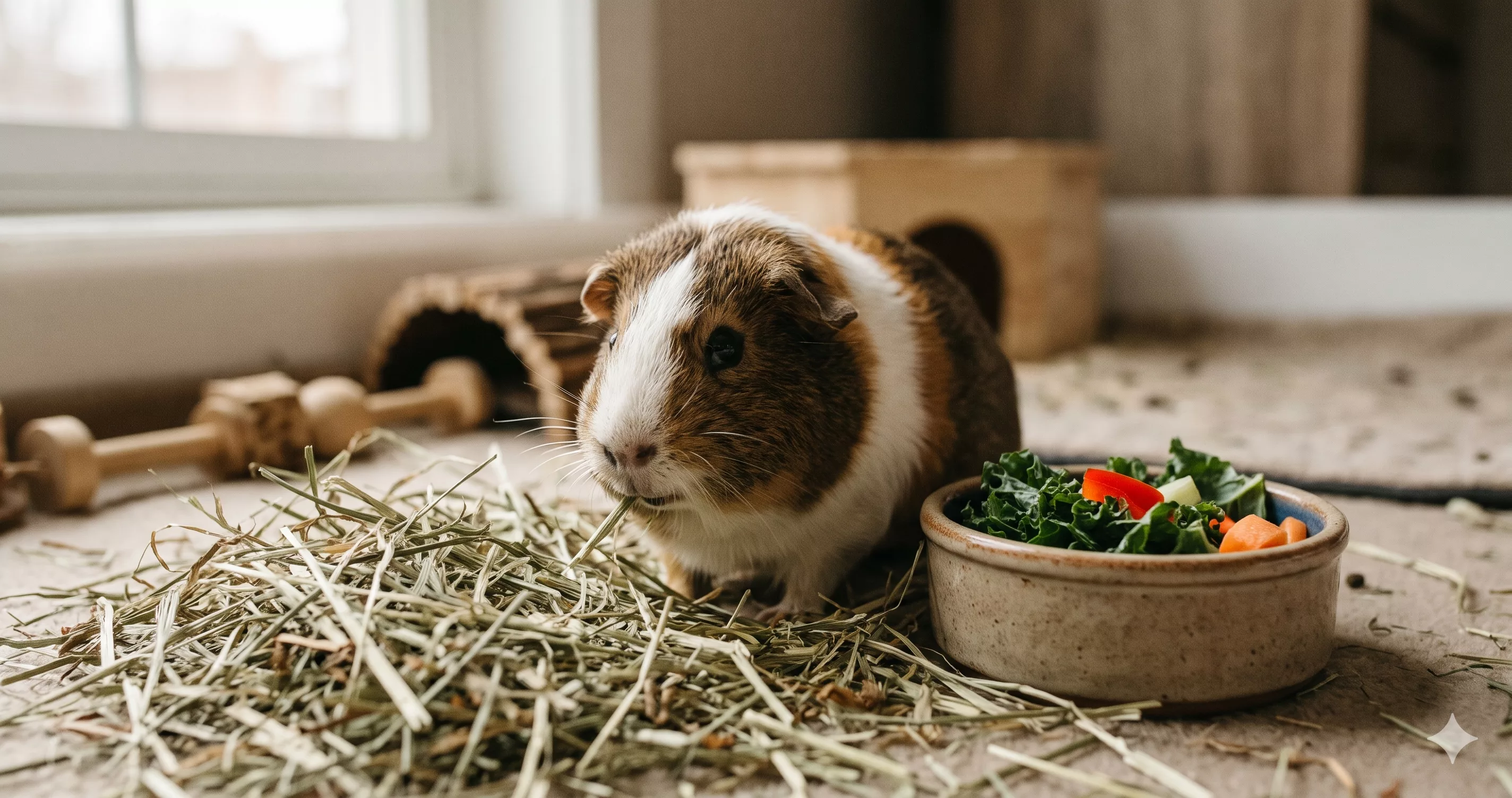
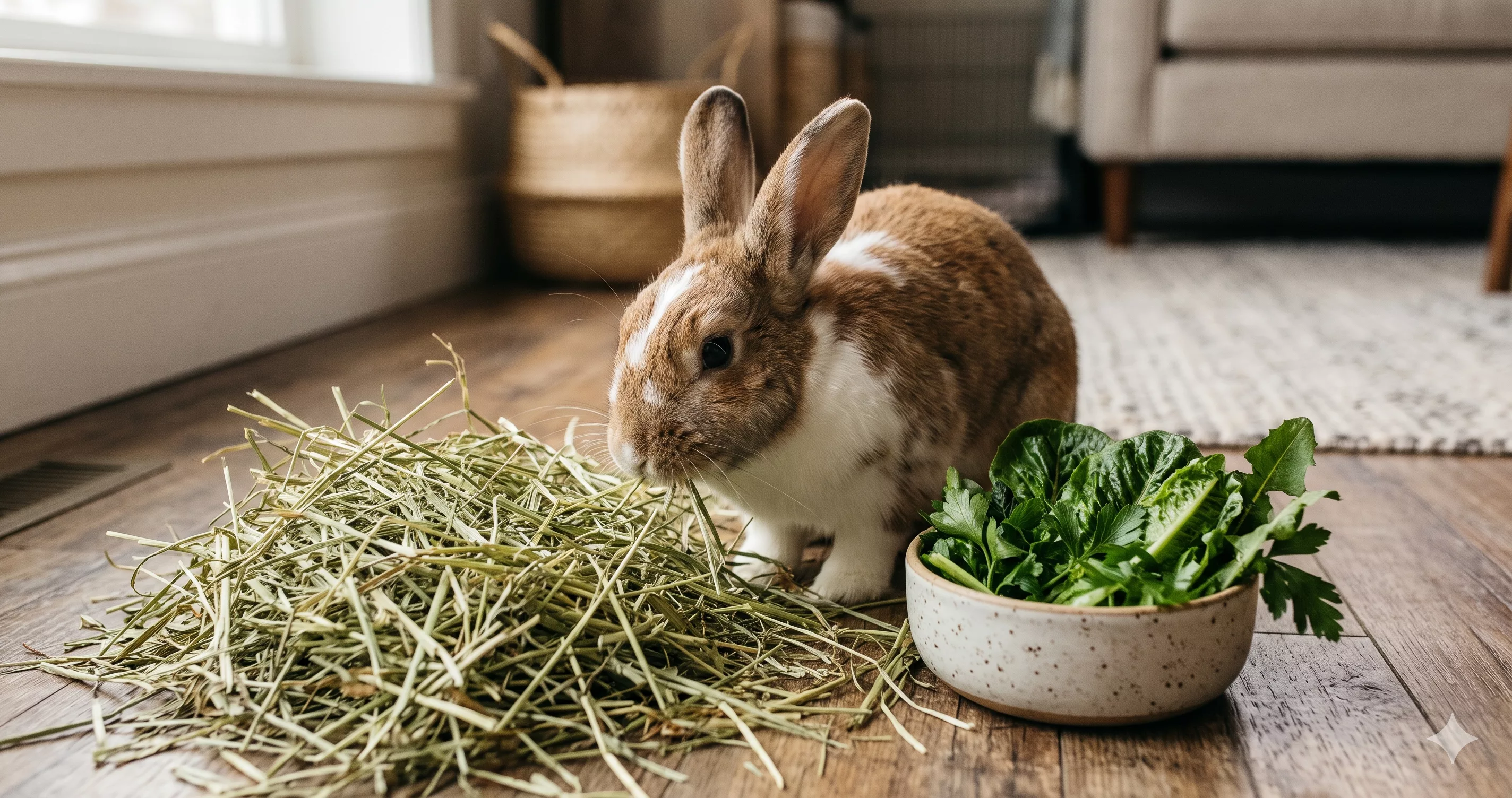
  • The RSPCA says rabbits should be kept in pairs at least and guinea pigs should not be kept alone, while PDSA says hamsters like to live alone. That changes cost and space.
  • Adopt from a shelter or rescue when you can, and meet the animal first.
  • Check your lease and local rules, and plan for vet bills and who will care for the pet when you travel.

How Results Are Estimated

Each pet has an editorial profile of its typical needs, and each question is worth up to 2 points (16 in total).

Lifespans come from AKC (dogs), PDSA (cats, about 14 years on average), RSPCA and PDSA (rabbits, who differ), PDSA and RSPCA (guinea pigs) and PDSA (hamsters). The need levels and relative cost labels are our editorial judgement and are not prices. Use the Pet Cost Calculator for numbers.

Questions (2 points each): daily time Β· space Β· experience Β· household Β· time away Β· interaction Β· night activity Β· commitment length Match % = (points earned Γ· 16) Γ— 100 A pet loses points when its needs exceed what you can offer, for example a dog needs more daily time than 30 minutes.

Important Limitations

This tool provides an estimate, not a diagnosis. Keep these limitations in mind when reading your result:

  • The quiz covers dogs, cats, rabbits, guinea pigs and hamsters only.
  • Pet needs vary a lot by breed, age and individual animal, and dog needs depend heavily on breed and size.
  • The profiles are general; they are not a substitute for talking to a vet, shelter or breeder.
  • Relative cost levels are editorial estimates, not prices.
  • Allergies, housing rules and local laws are not considered. Check them before adopting.

Example Calculation

How a match score is calculated for someone with limited time in a small apartment.

  1. Daily time (under 30 minutes): a dog needs a lot of daily time, so it scores few points; a hamster needs little and scores the full 2 points.
  2. Space (small): a cat or hamster scores the full 2 points; a rabbit scores fewer.
  3. The other six questions are scored the same way and added up.
  4. The total is divided by 16 and shown as a percentage.
Example result: a hamster or cat may score highest for this profile, and a dog lowest.

Frequently Asked Questions

It depends on your time, space and household. Our quiz rates the typical needs of each pet on our own editorial scale, not on a published ranking, and no source we read names one best first pet. Use the quiz to compare options, and ask a shelter or veterinarian about the individual animal.

Cats, guinea pigs and hamsters suit small homes best, as long as the enclosure is big enough. PDSA cites a minimum hamster cage size of 100 x 50 cm, and the RSPCA advises at least 3 m x 2 m x 1 m for two medium-sized rabbits, so rabbits need more room than many people expect.

No pet is a child's sole responsibility. The RSPCA says no child should be the sole owner of any animal and that rabbits suit older children, and PDSA says children should always be supervised around guinea pigs and should stroke and feed them on the ground. An adult must take responsibility for care.

Dogs and cats generally live longest: the AKC gives about 8 to 15 years for dogs depending on size, and PDSA says cats live to around 14 years on average. The RSPCA says rabbits typically live 8 to 12 years (PDSA says about 7 to 10 on average), PDSA says guinea pigs live four to eight years and the RSPCA says typically 5 to 6, and PDSA says hamsters typically live two to three years.

The RSPCA advises that rabbits should be kept in pairs at least and guinea pigs should not be kept alone. PDSA says hamsters like to live alone and that most species are solitary, while the RSPCA says some dwarf species can live together with the right setup.

Rarely. A pet is a long commitment, and the whole household should agree to it. Consider giving a gift card for supplies and letting the new owner choose the pet themselves from a shelter or rescue.

No. It covers dogs, cats, rabbits, guinea pigs and hamsters. Other pets have very different needs, so research them separately and talk to a vet who treats them.

References

General public resources referenced while researching this tool's topic.

Editorial Note

This tool is part of PetNurture's educational library. Its formulas and guidance draw on publicly available educational resources, recognised veterinary organisations, and established animal welfare references where appropriate β€” see the References section below for the specific sources used on this page.

It is provided for general educational purposes and is not a substitute for advice, diagnosis, or treatment from a qualified veterinarian.

Educational Use Notice

Last updated: May 2026

The information provided by this tool is for general educational and informational purposes only. Results are estimates, not a diagnosis, and may vary based on your pet's breed, age, health conditions, activity level, diet, and individual factors.

PetNurture does not provide veterinary, medical, or emergency care advice. Always consult a licensed veterinarian or qualified pet care professional regarding your pet's specific health, nutrition, or medical needs.

While we strive to keep calculations accurate and up to date, PetNurture makes no guarantees regarding completeness, reliability, or accuracy. Use this tool at your own discretion.

How we calculate results: This tool uses commonly referenced veterinary formulas, feeding guidelines, and breed-size estimates to provide general educational guidance. Individual pets may have different nutritional, behavioral, or medical needs that are not captured by any generalized formula.