Christmas Pet Hazards: Tree, Tinsel, Plants & Food (2026 Guide)
- Christmas Pet Safety at a Glance
- The Christmas Tree
- Stability and Supervision
- Tree Water
- Needles and Sap
- Tinsel, Baubles, Lights and Other Decorations
- Tinsel
- Baubles and Ornaments
- Lights and Cables
- Edible Decorations
- Artificial Snow
- Christmas Plants
- Christmas Food and Drink
- Wrapping Paper, Ribbon and Gifts
- Noise, Visitors and Medicines
- Small Pets at Christmas
- What to Do If Your Pet Swallows Something
- Expert Tips for a Pet-Safe Christmas
- Common Christmas Pet Mistakes
- Conclusion
Note: This article is for informational purposes only and does not replace professional veterinary advice.
Quick Answer
The main Christmas hazards for pets are tinsel and ornaments that can block the gut or cut the mouth, tree water with fertiliser, chocolate and raisins and xylitol, bones, and plants such as holly and mistletoe. Secure the tree, keep risky items out of reach and contact a licensed veterinarian straight away if your pet swallows something.
Christmas brings a tree, lights, wrapping paper, rich food and visitors into a home, and several of those things can hurt a pet. This guide covers the main Christmas hazards for dogs and cats, including the tree and its water, tinsel, baubles and lights, chocolate and other festive foods, and poisonous plants such as holly and mistletoe. It also covers small pets and what to do if your pet may have swallowed something. Every hazard below comes from the ASPCA or the UK charity PDSA, and we say which one at each point.
Christmas Pet Safety at a Glance
- Tinsel is a serious hazard. The ASPCA says it is especially attractive to cats and that even a small amount can cause severe vomiting, dehydration or a blockage that may need surgery. PDSA says it can cause serious injury or death if swallowed.
- Secure the tree. Fix it tightly so it cannot fall on your pet and cover the water dish.
- Keep ornaments and lights out of reach. They are a choking hazard and broken pieces can cut the mouth and gut.
- Chocolate is toxic. Keep chocolate decorations and wrapped sweets out of reach of cats and dogs.
- Some festive plants are toxic. Holly and mistletoe are named by both the ASPCA and PDSA.
- Watch the wrapping. Ribbon and string can be a hazard if swallowed.
- If your pet eats something unsafe contact a licensed veterinarian straight away.
The Christmas Tree
Stability and Supervision
The ASPCA advises securing a Christmas tree tightly so it does not fall and injure your pet. PDSA says pets may pull a tree down and advises against leaving them unsupervised around it.
Tree Water
The ASPCA says tree water can contain fertiliser and other chemicals that are hazardous if a pet drinks them and advises covering the water dish with a skirt or towel. PDSA says not to add chemicals, fertilisers or preservatives to the water because many are toxic to pets, and notes that stagnant water can also carry harmful bacteria.
Needles and Sap
PDSA says tree needles can still cause serious harm, especially if a pet swallows them or they touch the eyes, and that they can irritate the mouth and stomach and be sharp on paws. It also says tree oils are toxic to pets and that swallowing them can lead to illness, liver damage or death.
Tinsel, Baubles, Lights and Other Decorations
Tinsel
This is the decoration both sources single out. The ASPCA says sparkly tinsel is especially attractive to cats and that even a small bit swallowed can cause severe vomiting, dehydration or an obstruction that may need surgery. PDSA says tinsel is a choking hazard that can lodge in the intestines and cause a blockage that may need emergency surgery. The simplest safe choice is to leave tinsel off the tree.
Baubles and Ornaments
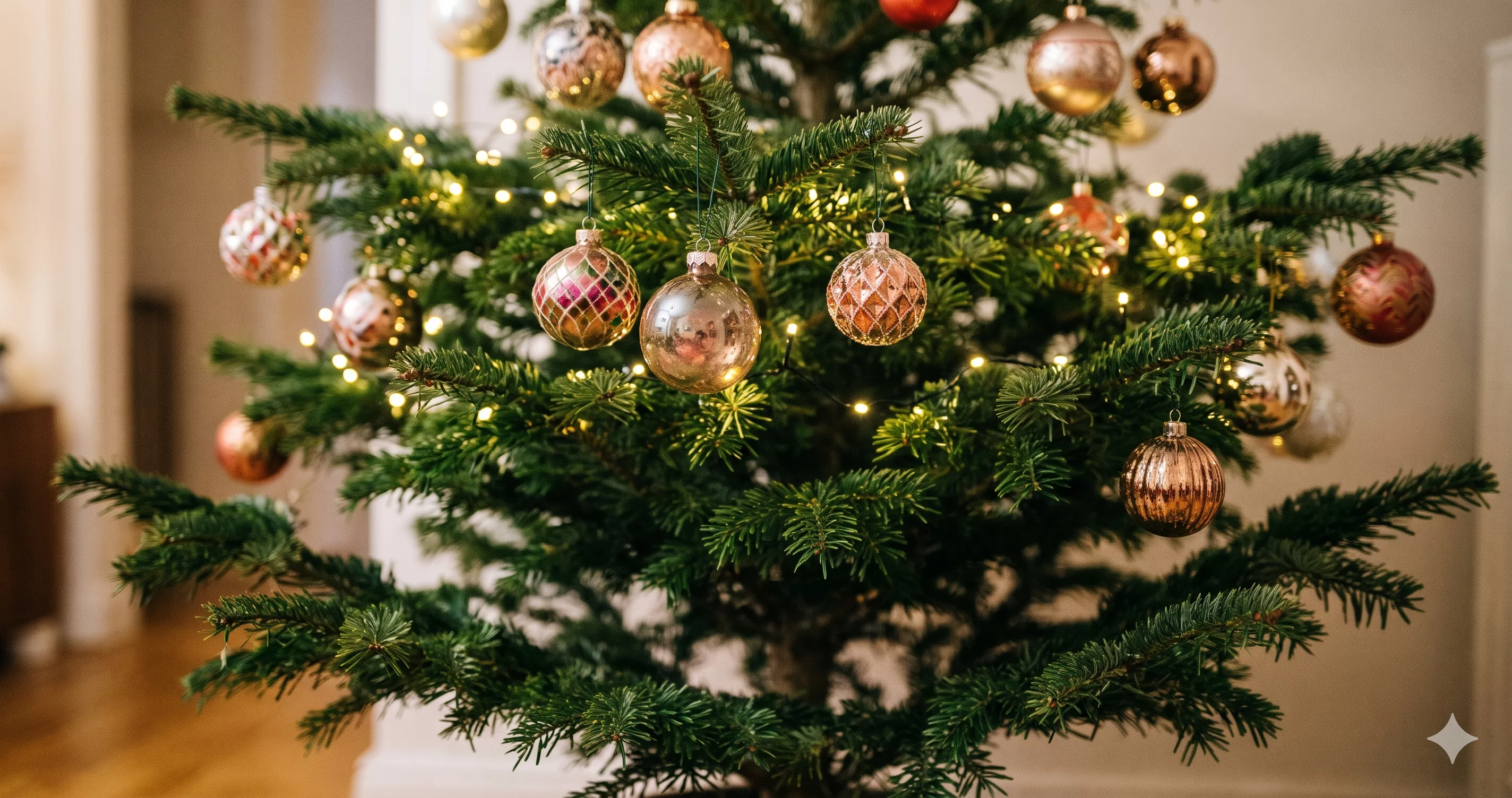
The ASPCA says ornaments are a choking hazard and that broken pieces can damage a pet's mouth and digestive tract, and advises keeping ornaments and decorative lights out of paws' reach. PDSA adds that a swallowed bauble can get stuck in the throat and stop a pet breathing, and that broken glass can injure paws. Put fragile and small ornaments on the higher branches or leave the lower branches bare.
Lights and Cables
PDSA warns of the risk of electric shocks from higher-voltage lights and lists small decorations, tinsel and fairy lights as a cause of serious blockage if swallowed. Keep cables tidy and out of chewing reach.
Edible Decorations
PDSA says chocolate decorations should go on the highest branches or be left off the tree, because chocolate damages the nervous system in cats and dogs and can be fatal. It also warns that sugar-free candy canes may contain xylitol, which it says is highly toxic to dogs.
Artificial Snow
PDSA says that if a pet eats a large amount of artificial snow a build-up could form in the stomach and cause a blockage. It says small amounts usually cause only mild stomach upset, and that snow imported from outside the UK may be toxic.
Christmas Plants
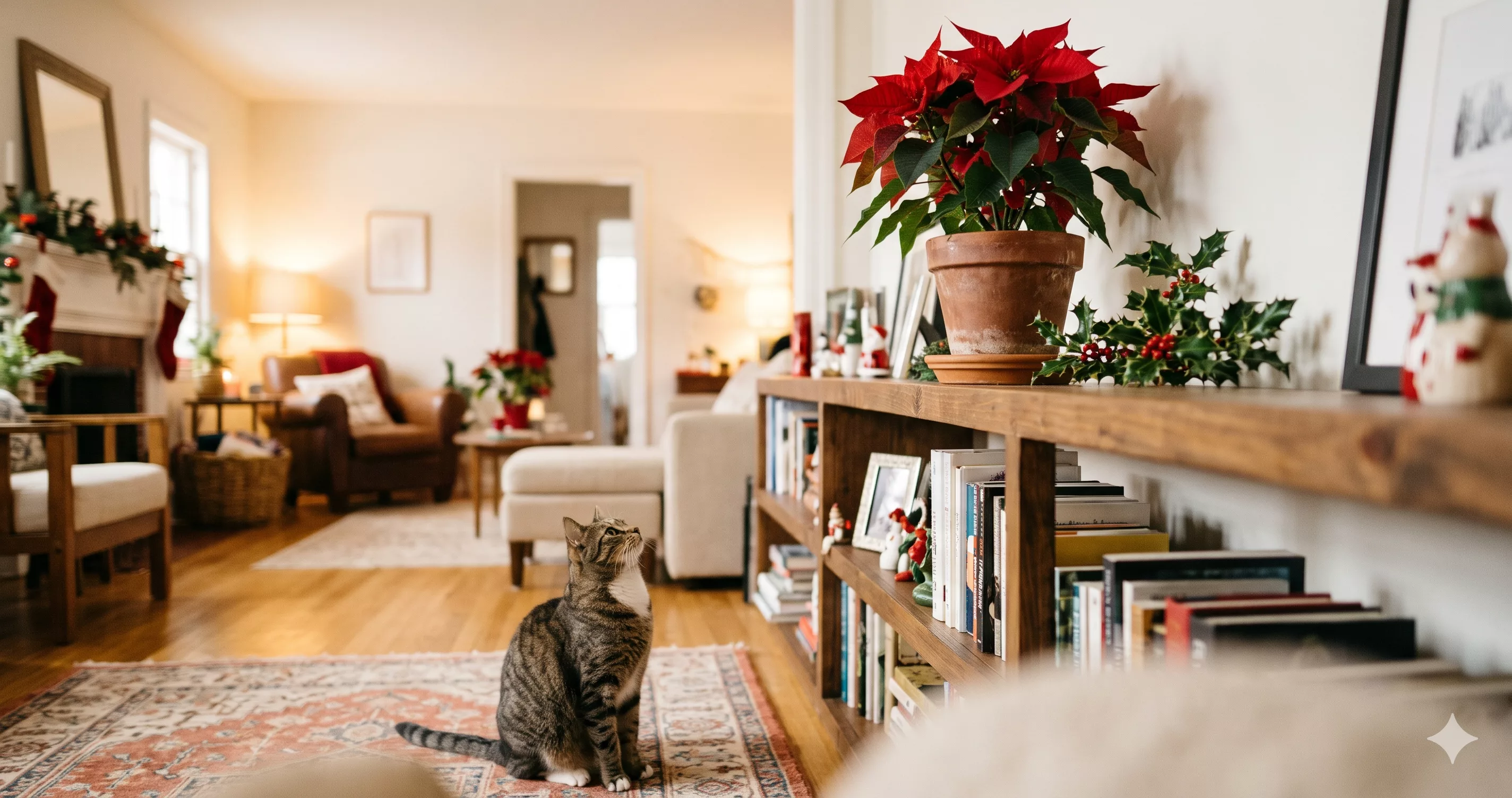
The ASPCA says popular festive plants such as holly and mistletoe can cause gastrointestinal upset and cardiovascular problems in pets when ingested, and suggests choosing a pet-friendly plant or an artificial one made from silk or plastic. PDSA names five plants dangerous to pets in a November 2025 post:
- Holly: the berries are toxic to cats and dogs and can upset the stomach.
- Mistletoe: toxic to cats and dogs because of a compound called viscotoxin.
- Poinsettia: the leaves and stems contain substances that can cause problems if eaten, such as vomiting and mouth irritation.
- Ivy: PDSA lists vomiting, diarrhoea and skin irritation as possible effects.
- Amaryllis: poisonous to both cats and dogs because it contains lycorine.
Our Holiday Plant Pet Safety Checker lets you look up a plant before you bring it home.
Christmas Food and Drink
PDSA's Christmas guide lists several foods to keep away from pets, and the ASPCA names others.
- Chocolate: PDSA calls it highly toxic to pets. The ASPCA asks owners to mind wrapped chocolate and sweets left under the tree.
- Raisins and dried fruit: PDSA lists mincemeat, currants, raisins and sultanas, including in Christmas pudding and mince pies.
- Xylitol: the ASPCA names desserts made with the artificial sweetener xylitol as a hazard.
- Onions and similar: PDSA lists onions, garlic, leeks and shallots, which it says can cause severe anaemia.
- Bones: PDSA says bones are a choking hazard.
- Alcohol: the ASPCA says alcohol can cause serious problems including comas and even death, and PDSA says it is toxic to pets.
- Rich leftovers: PDSA warns that sudden diet changes and overeating can cause stomach upsets.
For everyday foods, see our guide to safe human foods for dogs.
Wrapping Paper, Ribbon and Gifts
PDSA says sticky tape, bows, ribbons and string can be a hazard if swallowed, and that soft toys and battery-operated items can cause serious problems if chewed and swallowed. The ASPCA also advises avoiding ribbons, yarn and other long stringy playthings, which it says can get stuck in the intestines. Clear away wrapping as soon as presents are opened.
Noise, Visitors and Medicines
The ASPCA advises avoiding party poppers and loud noisemakers that can terrify pets and possibly damage sensitive ears. It also says all medications should be stored up high or locked away.
Small Pets at Christmas
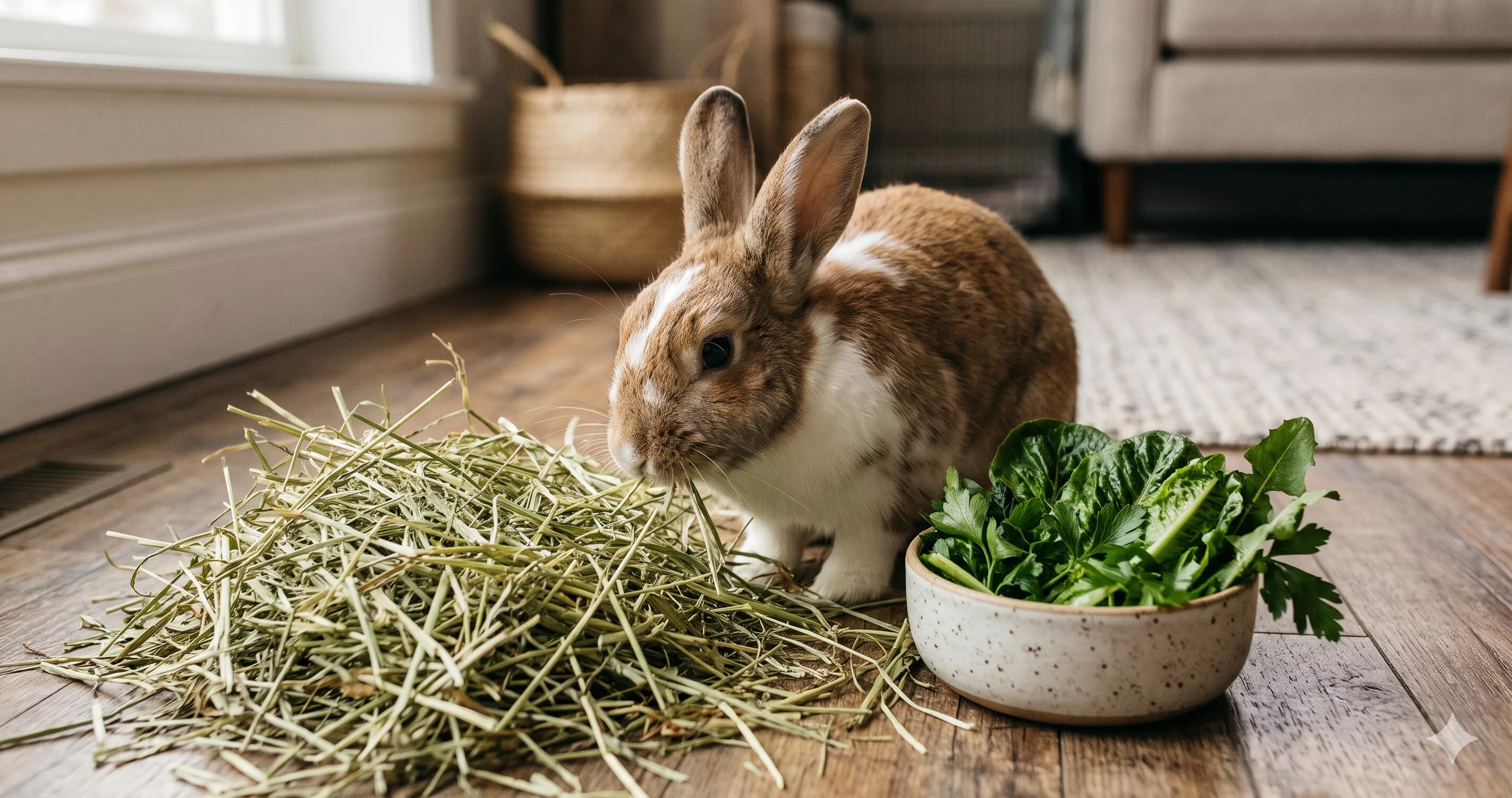
PDSA's Christmas guide does not name rabbits or guinea pigs. It says small pets may be unable to reach the top of the tree, advises keeping fairy light wires away from their enclosures and says not to decorate their cages with lights. We found no other source in our research on Christmas hazards specific to small pets, so for rabbits and guinea pigs follow that advice and contact a licensed veterinarian with any questions.
What to Do If Your Pet Swallows Something
Contact a licensed veterinarian or an emergency animal hospital straight away and do not wait for symptoms. In the US you can also call the ASPCA Animal Poison Control Center on (888) 426-4435 or Pet Poison Helpline on (855) 764-7661, though fees may apply. Keep the packaging or a photo of what was eaten and note your pet's weight and when it happened. Our guides to what to do if a dog is poisoned and cat poisoning symptoms and first aid explain the general steps. Do not try to treat your pet at home.
Expert Tips for a Pet-Safe Christmas
- Fix the tree firmly and cover the water dish.
- Leave tinsel off the tree altogether.
- Keep fragile and small ornaments and chocolate decorations high up.
- Choose artificial or pet-friendly plants.
- Save your vet's number and the poison line numbers in your phone before Christmas Day.
- Clear wrapping and food waste straight away.
Common Christmas Pet Mistakes
- Leaving a pet alone with the tree.
- Adding fertiliser or preservatives to the tree water.
- Hanging tinsel and chocolate decorations on low branches.
- Letting a pet have leftovers such as Christmas pudding or bones.
- Leaving wrapping ribbon and string within reach.
Conclusion
Most Christmas pet emergencies come from a short list: tinsel, ornaments, tree water, chocolate, raisins, bones and a few festive plants. Secure the tree, keep the risky items out of reach and call a licensed veterinarian at once if your pet swallows something. Try the Holiday Plant Pet Safety Checker on PetNurture before you buy your plants.
The most important Christmas rule is to contact a licensed veterinarian straight away if you think your pet has eaten something unsafe.
This guide is for general education and is not a substitute for veterinary care. If you think your pet has swallowed a harmful item or seems unwell, contact a licensed veterinarian or an emergency animal hospital right away.
Medical Disclaimer
This content is provided for informational and educational purposes only and should not be considered veterinary, medical, behavioral, or training advice. While we strive for accuracy, we make no guarantees regarding completeness or results. Always consult a licensed veterinarian or qualified pet care professional before making decisions about your pet’s health, diet, or behavior.
AI Illustration Notice
Some images in this article may have been generated or enhanced using artificial intelligence for illustrative purposes.
Frequently Asked Questions
Yes. The ASPCA says tinsel is especially attractive to cats and that even a small amount can cause severe vomiting and dehydration or a blockage that may need surgery. PDSA says it can cause serious injury or death if swallowed. The safest choice is to leave it off the tree.
Not always. The ASPCA says tree water can contain fertiliser and other chemicals that are hazardous if a pet drinks them. PDSA says not to add chemicals or preservatives to the water and that stagnant water can carry harmful bacteria. Cover the water dish.
PDSA says tree needles can still cause serious harm if swallowed and can irritate the mouth and stomach. It also says tree oils are toxic and can lead to illness or liver damage. Keep your pet away from the tree.
The ASPCA names holly and mistletoe. PDSA names holly and mistletoe plus poinsettia and ivy and amaryllis. Choose artificial or pet-friendly plants and use our Holiday Plant Pet Safety Checker to look up a plant.
No. PDSA lists mincemeat and currants and raisins and sultanas as toxic to dogs and says this includes Christmas pudding and mince pies. Keep them out of reach.
Yes. PDSA says chocolate damages the nervous system in cats and dogs and can be fatal. The ASPCA asks owners to mind wrapped chocolate left under the tree. Keep chocolate decorations on the highest branches or leave them off.
No. PDSA says bones are a choking hazard. Keep the bin and the plates out of reach and do not offer leftovers.
Contact a licensed veterinarian or an emergency animal hospital straight away and do not wait for symptoms. You can also call ASPCA Poison Control on (888) 426-4435 or Pet Poison Helpline on (855) 764-7661 though fees may apply. Keep the packaging or a photo of what was eaten.
PDSA advises keeping fairy light wires away from small pets' enclosures and not decorating their cages with lights. We did not find other small pet specific Christmas advice so contact a licensed veterinarian with questions.
What Should I Do Next?
A general decision guide — always use your own judgement and contact a veterinarian for anything beyond routine care.
- Move your pet away Stop further access to the item or food and remove it.
- Contact a licensed veterinarian Call your veterinarian or an emergency animal hospital straight away. In the US you can also call ASPCA Poison Control on (888) 426-4435 or Pet Poison Helpline on (855) 764-7661. Fees may apply.
- Collect the details Keep the packaging or take a photo of what was eaten and note your pet's weight and when it happened.
- Follow professional advice Do what the veterinarian or poison line tells you and do not try to treat your pet at home.
Common Mistakes
- Leaving a pet alone with the tree
- Adding fertiliser or preservatives to the tree water
- Hanging tinsel and chocolate decorations on low branches
- Letting a pet have leftovers such as Christmas pudding or bones
- Leaving wrapping ribbon and string within reach
Prevention Tips
- Fix the tree firmly and cover the water dish
- Leave tinsel off the tree
- Keep fragile ornaments and chocolate decorations high up
- Choose artificial or pet-friendly plants
- Save your vet's number and the poison line numbers before Christmas Day
- Clear wrapping and food waste straight away
Illustrative Example
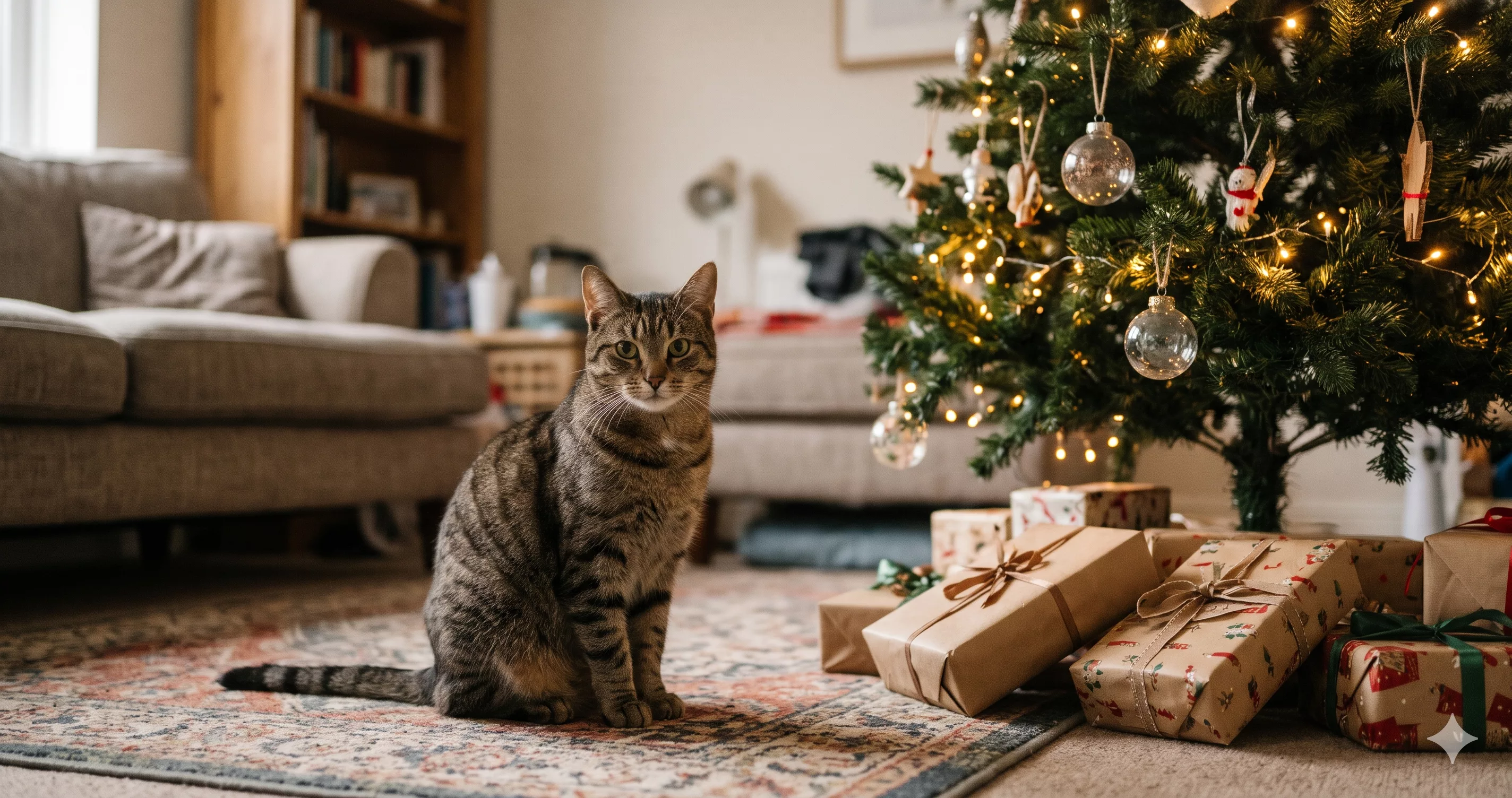
Picture a cat that loves anything shiny. A strand of tinsel falls from a low branch and the cat swallows it while the family is in the kitchen. Because the owner saved the vet's number and knew tinsel is a blockage risk the cat is seen the same evening.
Practical Checklist
- Fix the tree firmly and cover the water dish
- Leave tinsel off the tree
- Hang ornaments and chocolate decorations high up
- Check every plant before you bring it home
- Keep food waste and bones in a closed bin
- Save the vet and poison line numbers in your phone
Editorial Note
This article is part of PetNurture's educational library.
Topics draw on publicly available educational resources, recognised veterinary organisations, academic publications and established animal welfare references where appropriate.
The specific sources this article draws on are listed in its References section. If you spot an error, please let us know.
References
The information in this article has been reviewed and supported using the following sources.
ASPCA
Keep Your Pets Safe This Holiday Season
Tree secured and water dish covered; tree water can contain fertilizer and chemicals; ornaments choking hazard and broken shards damage mouth and gut; tinsel attractive to cats and can cause vomiting dehydration obstruction needing surgery; holly and mistletoe cause GI and cardiovascular problems; chocolate and xylitol desserts; alcohol; medications; poppers and noisemakers; long stringy playthings.
Accessed Nov 4, 2026
PDSA
Dangerous Christmas decorations to be aware of if you're a pet owner
17 November 2023. Artificial snow; tinsel choking hazard; baubles obstruction and broken glass; electric shock from higher-voltage lights; chocolate decorations and xylitol candy canes; tree needles; tree water chemicals and stagnant water; tree sap oils toxic.
Accessed Nov 4, 2026
PDSA
Five Christmas plants that are dangerous to pets
27 November 2025. Holly, mistletoe, poinsettia, ivy and amaryllis and the harms listed.
Accessed Nov 4, 2026
PDSA
Small decorations tinsel and fairy lights cause blockage; supervise around tree; chocolate; bones; onion family; mincemeat currants raisins sultanas; alcohol; overeating; ribbons string tape; battery items; wires near small pets' enclosures.
Accessed Nov 4, 2026
Pet Emergency Guidance
Every pet is unique. If your pet exhibits severe symptoms, sudden behavioral changes, or a medical emergency, do not rely on online guides — contact a licensed veterinarian or emergency clinic immediately.
Was this article helpful?
About PetNurture
PetNurture is an educational library of pet care guides, interactive tools and practical resources for pet parents. We work continuously to keep our content accurate and up to date. Reader feedback helps us maintain content quality.
Related Articles
all
Holiday Plant Pet Safety Checker
Check which holiday plants and decorations are toxic to dogs and cats.
all
Cold Weather Pet Safety Checker
Check how cold is too cold for your dog, cat, rabbit or guinea pig.
all
Which Pet Should I Get Quiz
Compare a dog, cat, rabbit, guinea pig and hamster for your lifestyle.