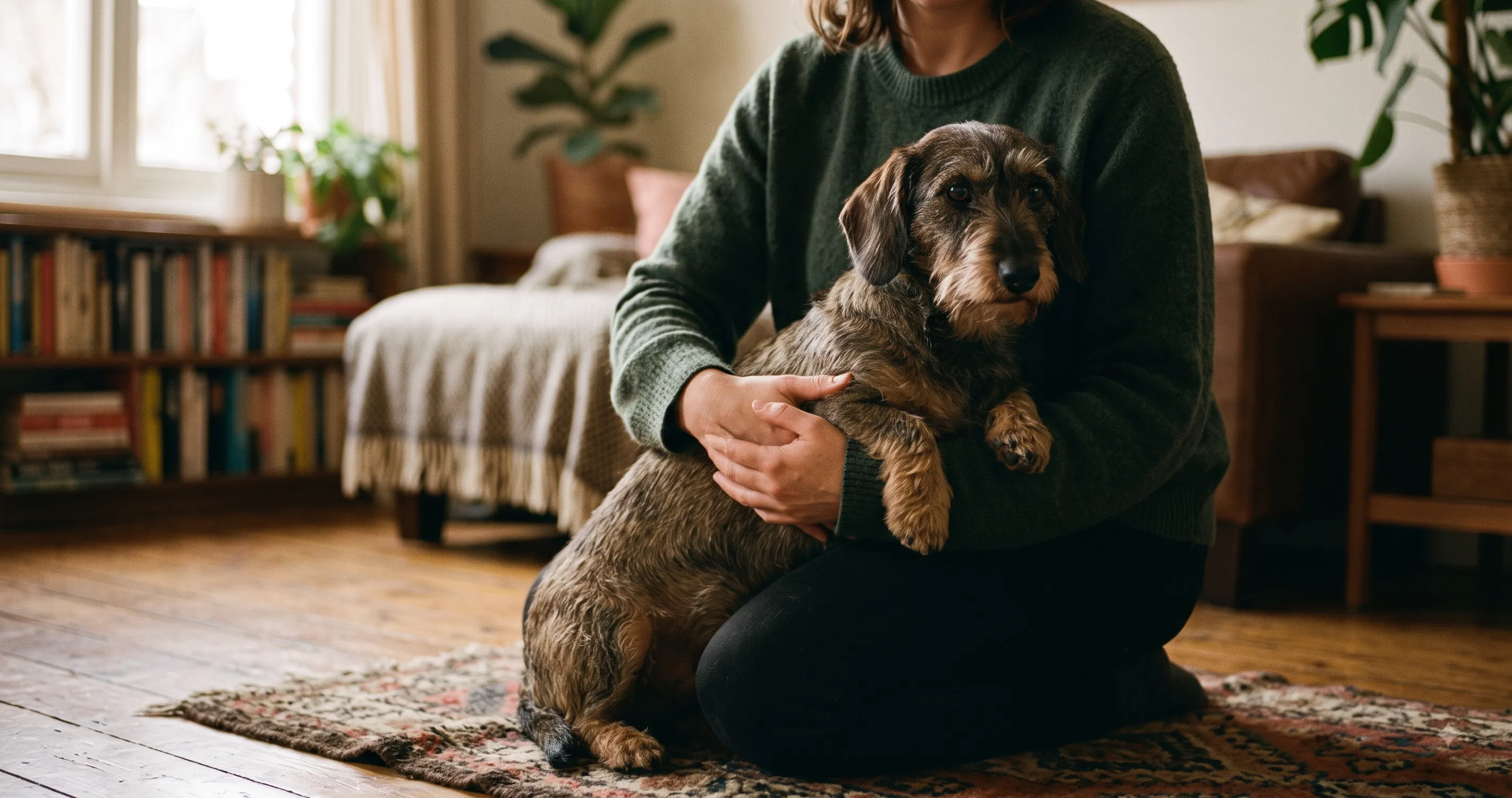
How Often Should You Bathe Your Dog? Complete Bathing Schedule by Breed, Coat Type & Lifestyle
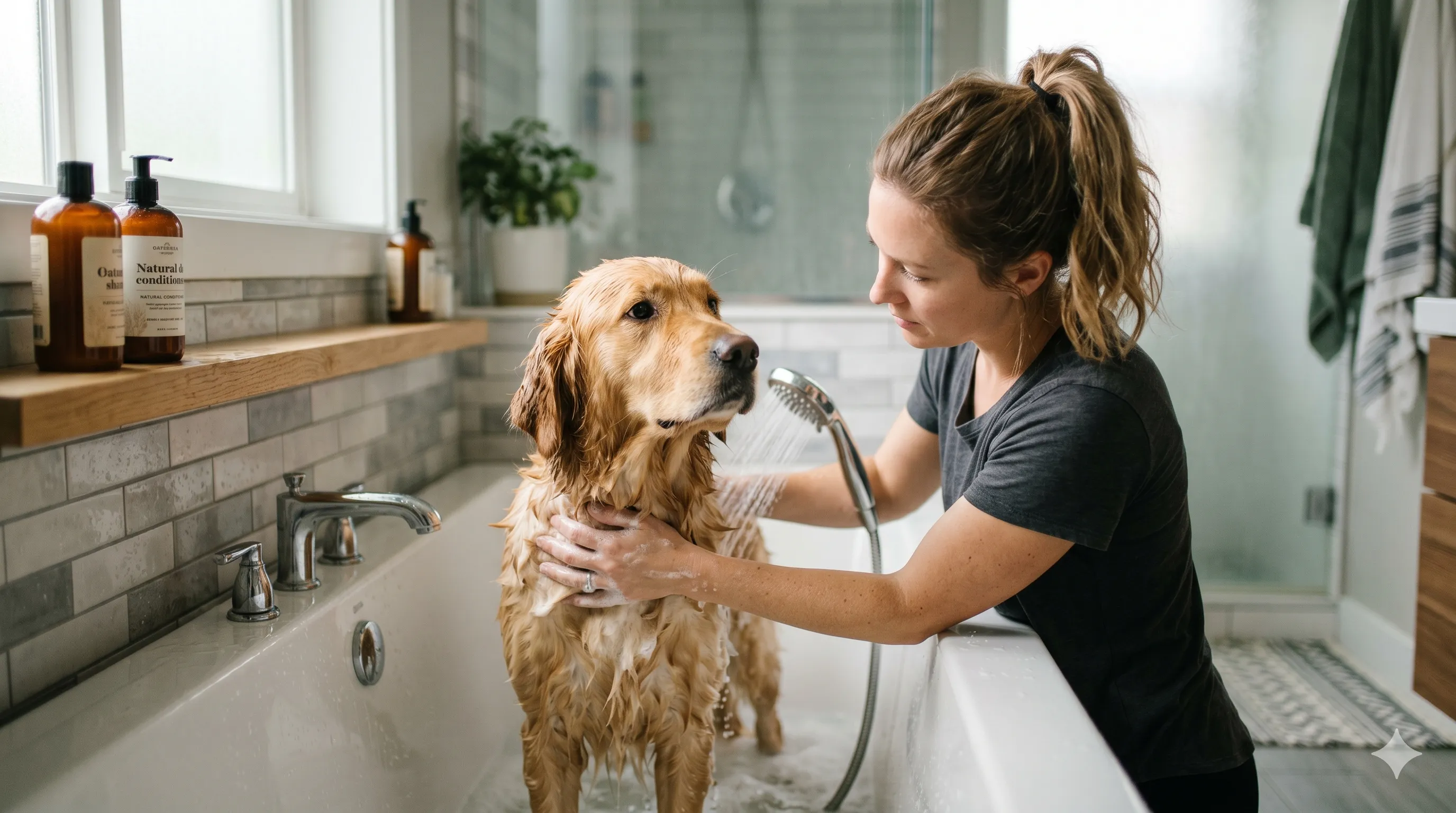
- How Often Should You Bathe Your Dog? (Quick Answer)
- Dog Bathing Frequency by Coat Type
- Why Bathing Too Often Can Be Harmful
- Signs Your Dog Is Being Bathed Too Frequently
- Signs Your Dog Probably Needs a Bath
- Indoor Dogs vs Outdoor Dogs
- Indoor Dogs
- Outdoor and Active Dogs
- How Breed Type Affects Bathing Needs
- Breeds That Often Need More Frequent Baths
- Breeds That Usually Need Less Frequent Baths
- Dogs With Sensitive Skin Require Different Routines
- The Best Way to Bathe a Dog Properly
- Brush Before Bathing
- Use Lukewarm Water
- Always Use Dog-Specific Shampoo
- Rinse Extremely Thoroughly
- Dry Completely
- How Grooming Impacts Shedding
- Common Dog Bathing Mistakes
- Using Human Soap or Shampoo
- Skipping Brushing Before Bathing
- Bathing Too Frequently
- Ignoring Ear Drying
- Rushing the Drying Process
- Can You Bathe a Dog Every Week?
- Behavioral Psychology: Why Some Dogs Hate Baths
- Example Scenario
- Final Thoughts
Note: This article is for informational purposes only and does not replace professional veterinary advice.
Bathing your dog seems simple until you realize that bathing too often can damage the skin, while bathing too little can lead to odor, irritation, oil buildup, and coat problems.
Many dog owners accidentally create skin issues by following inconsistent grooming habits or using products designed for humans instead of dogs.
The truth is that there is no universal bathing schedule that works for every dog.
The ideal routine depends on several important factors including:
- coat type,
- skin sensitivity,
- breed characteristics,
- activity level,
- environment,
- and overall health.
If you are wondering how often you should bathe your dog, the real goal is not simply cleanliness. Proper bathing is about protecting the skin barrier, maintaining healthy coat oils, preventing irritation, and supporting long-term skin health.
understanding how often to bathe your dog helps prevent skin and coat problemsThis guide explains how bathing frequency actually works, signs your dog may need more or fewer baths, grooming mistakes that cause skin problems, and expert-backed schedules based on coat type and lifestyle.
How Often Should You Bathe Your Dog? (Quick Answer)
Most healthy dogs benefit from bathing every 3-6 weeks, but the ideal schedule varies depending on coat type, outdoor exposure, shedding level, and skin condition.
Some dogs need baths far more frequently, while others stay healthy with minimal bathing.
The healthiest grooming routine balances cleanliness without stripping the skin's natural protective oils.
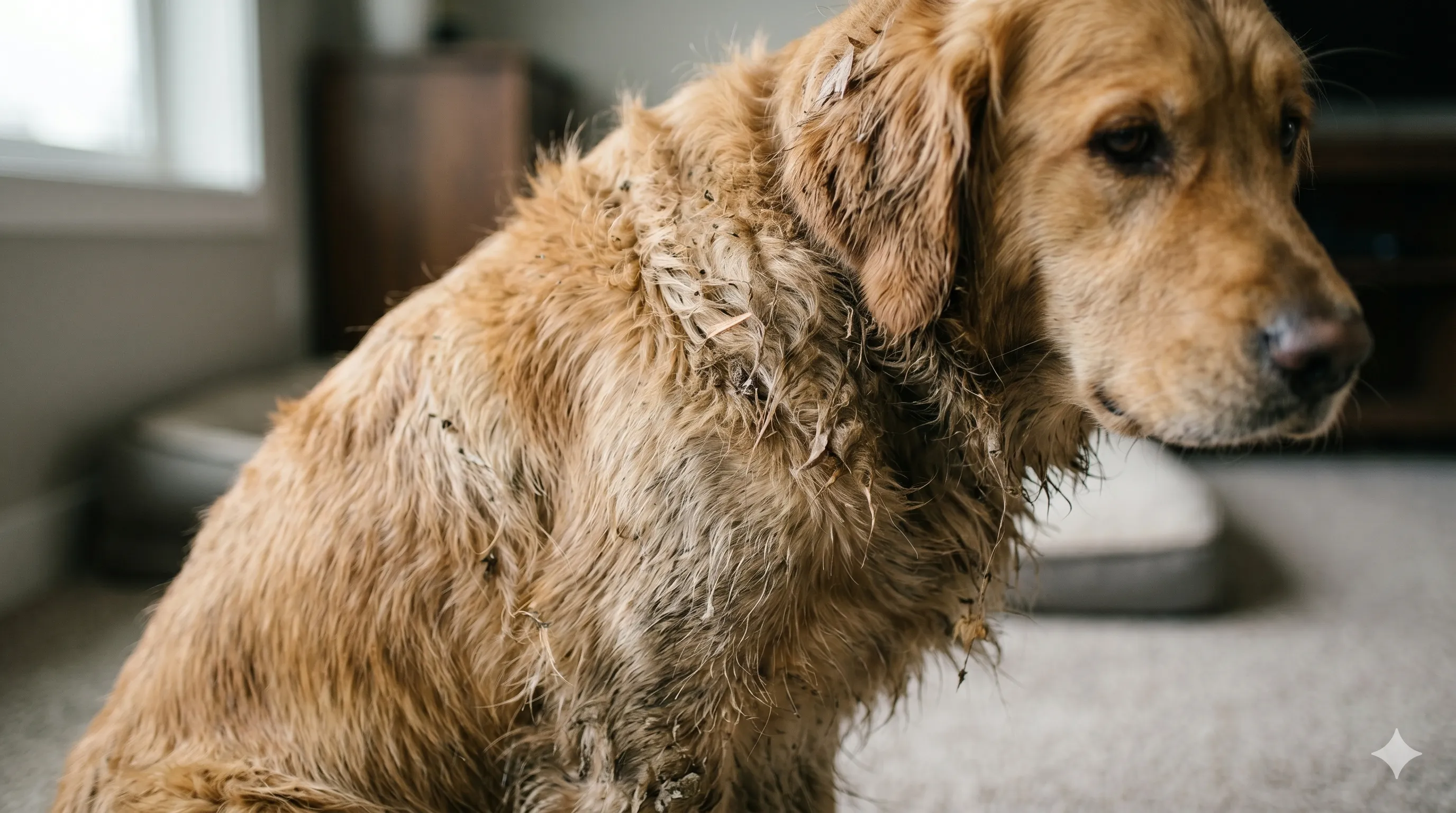
Dog Bathing Frequency by Coat Type
| Coat Type | Typical Bath Schedule | Special Considerations |
|---|---|---|
| Short-haired breeds | Every 4-8 weeks | Usually low maintenance |
| Medium double coats | Every 4-6 weeks | Regular brushing important |
| Long-haired breeds | Every 3-5 weeks | Prone to matting and odor |
| Curly or doodle coats | Every 3-4 weeks | High grooming maintenance |
| Dogs with oily skin | Every 1-2 weeks | May require medicated products |
| Hairless breeds | Weekly or biweekly | Skin protection is critical |
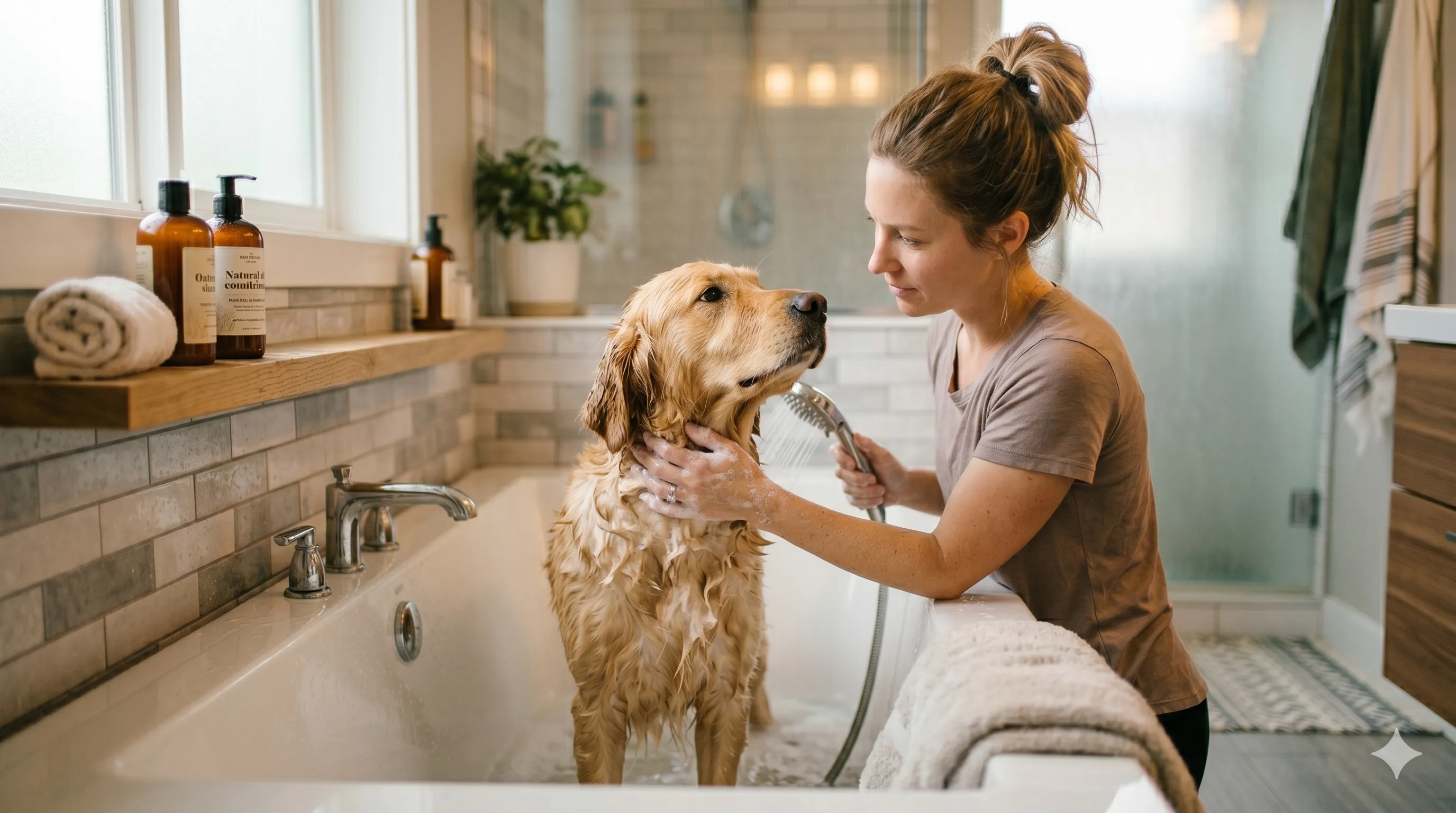
Why Bathing Too Often Can Be Harmful
One of the biggest grooming mistakes owners make is overbathing.
A dog's skin naturally produces oils that:
- protect the skin barrier,
- maintain coat shine,
- prevent dryness,
- and reduce irritation.
Frequent washing can strip these oils away.
This often leads to:
- dry skin,
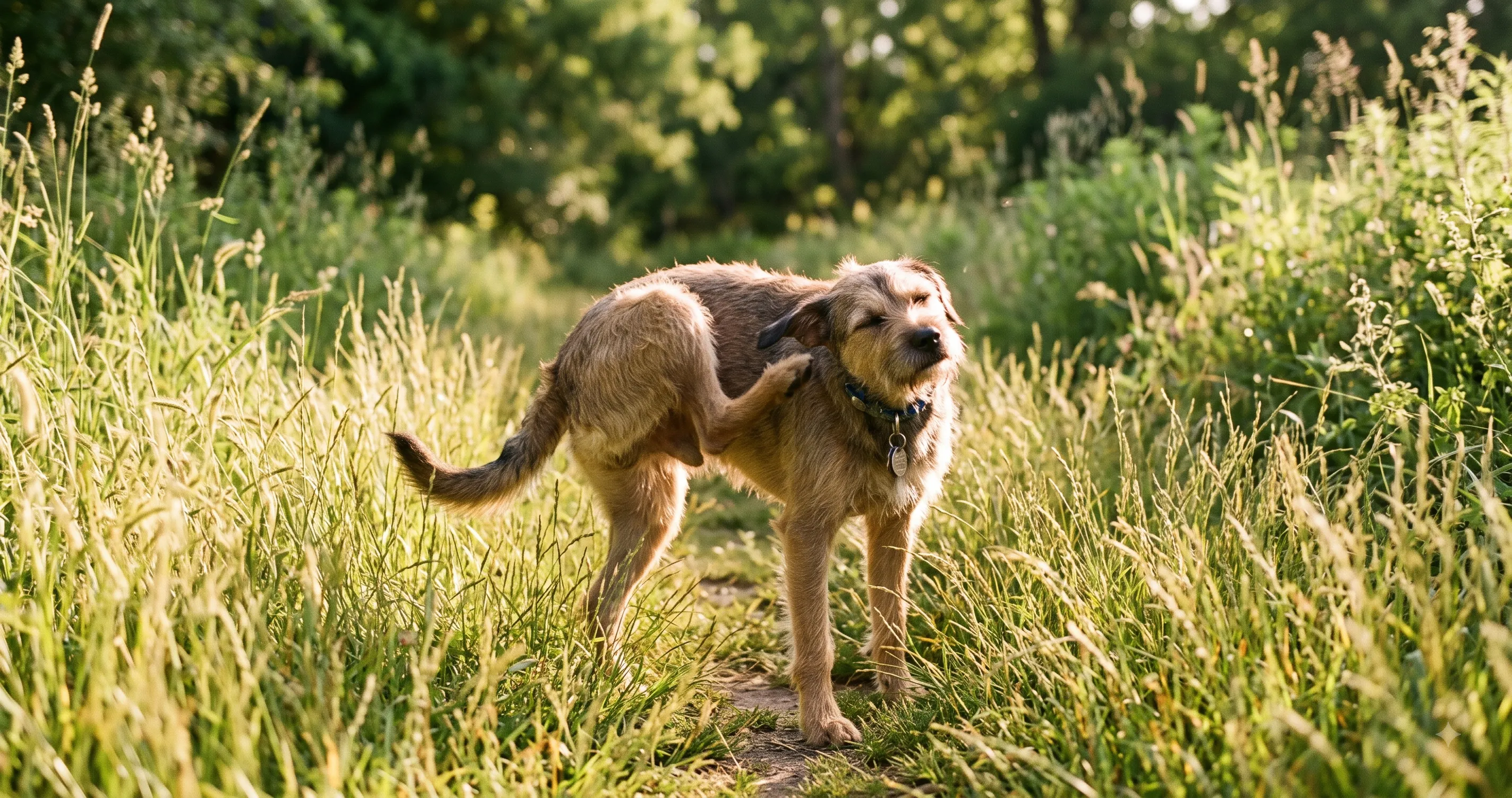
- itching,
- excess scratching,
- dull coat texture,
- and increased sensitivity.
Ironically, excessive bathing can sometimes increase odor because the skin overcompensates by producing more oil.
Signs Your Dog Is Being Bathed Too Frequently
- Flaky or dry skin
- Persistent itching
- Rough or brittle coat texture
- Increased shedding
- Skin redness or irritation
- Excessive licking or chewing
Signs Your Dog Probably Needs a Bath
Instead of following rigid dates only, many groomers recommend observing the dog's condition directly.
Common signs include:
- strong odor,
- greasy coat texture,
- visible dirt buildup,
- sticky fur,
- environmental debris,
- or increased outdoor exposure.
Dogs that swim frequently or spend time hiking, rolling in grass, or visiting dog parks often need more regular grooming.
Indoor Dogs vs Outdoor Dogs
Indoor Dogs
Dogs spending most of their time indoors generally stay cleaner longer and may need fewer baths.
However, indoor dogs can still develop oil buildup, odor, or allergy-related skin issues.
Outdoor and Active Dogs
Dogs regularly exposed to:
- mud,
- rain,
- grass,
- sand,
- or swimming environments
usually require more frequent bathing and coat maintenance.
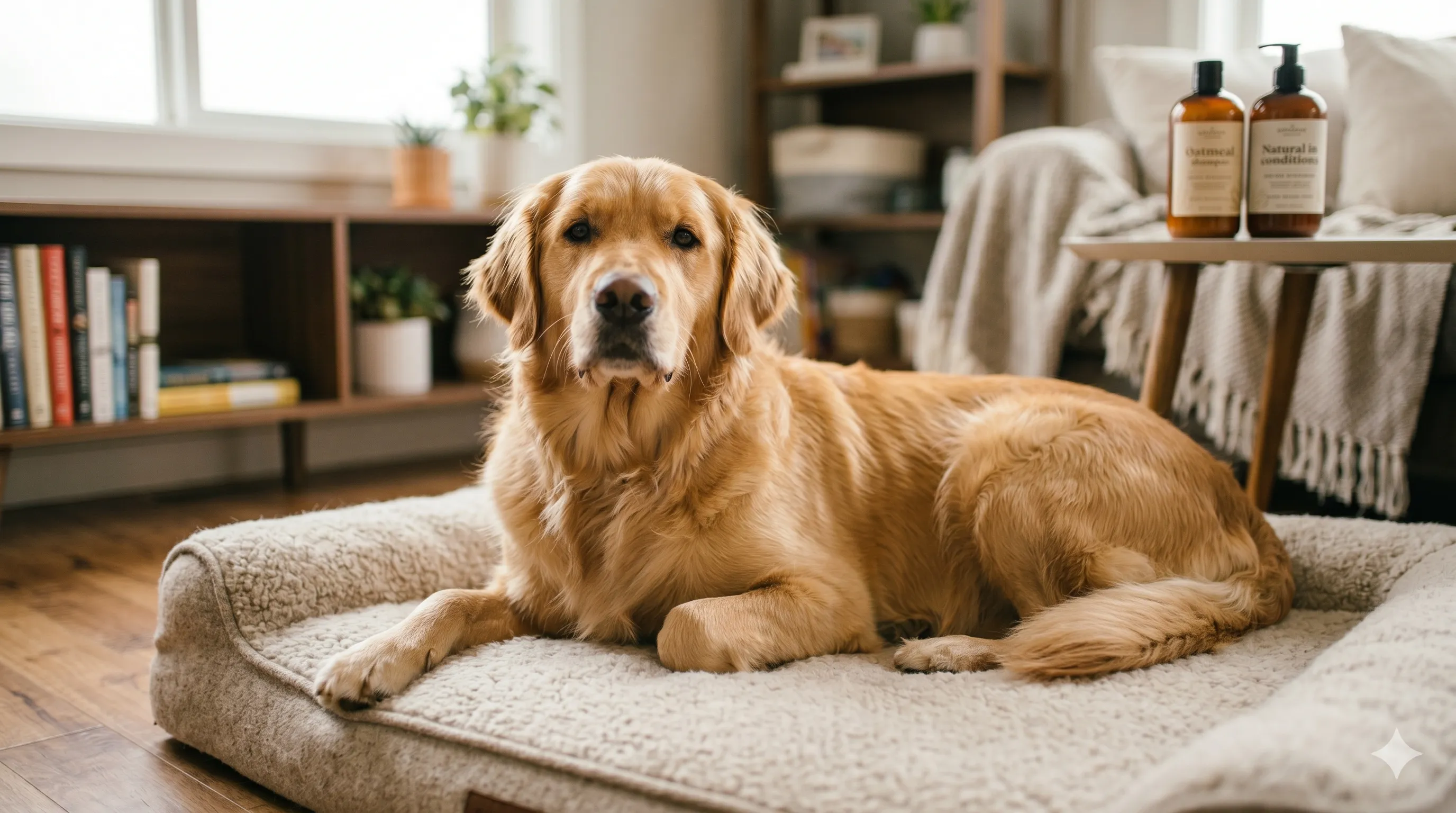
How Breed Type Affects Bathing Needs
Different breeds naturally produce different coat oils and grooming challenges.
Breeds That Often Need More Frequent Baths
- Poodles
- Doodles
- Cocker Spaniels
- Basset Hounds
- Bulldogs
- Hairless breeds
Breeds That Usually Need Less Frequent Baths
- Beagles
- Labradors
- Boxers
- Dobermans
- Short-haired terriers
Breed-specific coat structure changes how dirt, oils, and moisture accumulate.
Dogs With Sensitive Skin Require Different Routines
Some dogs have underlying skin sensitivities, allergies, or chronic irritation.
In these cases, the wrong bathing routine may worsen symptoms dramatically.
Dogs with allergies may require:
- medicated shampoos,
- special moisturizing products,
- or veterinarian-guided grooming schedules.
The Best Way to Bathe a Dog Properly
Brush Before Bathing
Brushing removes:
- loose fur,
- surface dirt,
- and tangles.
This also improves shampoo penetration.
Use Lukewarm Water
Hot water can irritate skin and increase dryness.
Lukewarm temperatures are safest and most comfortable.
Always Use Dog-Specific Shampoo
Human shampoos disrupt canine skin pH balance.
Dog shampoos are specifically formulated for canine skin biology.
Rinse Extremely Thoroughly
Leftover shampoo residue is one of the most common causes of post-bath itching.
Dry Completely
Moisture trapped in the coat can increase:
- odor,
- hot spots,
- fungal irritation,
- and skin discomfort.
How Grooming Impacts Shedding
Many owners believe bathing increases shedding.
In reality, proper bathing and brushing usually remove loose dead hair already trapped in the coat.
Consistent grooming often reduces overall hair accumulation around the home over time.
Common Dog Bathing Mistakes
Using Human Soap or Shampoo
This is one of the fastest ways to disrupt skin balance.
Skipping Brushing Before Bathing
Mats and tangles become harder to manage after getting wet.
Bathing Too Frequently
Overwashing often causes more skin issues than underwashing.
Ignoring Ear Drying
Moisture trapped in ears may increase infection risk.
Rushing the Drying Process
Damp fur can irritate the skin and trap bacteria.
Can You Bathe a Dog Every Week?
In some situations, yes.
Dogs with:
- medical skin conditions,
- heavy outdoor exposure,
- or specialized grooming needs
may tolerate weekly bathing when using gentle, dog-specific products.
However, routine weekly bathing is unnecessary for most healthy dogs.
Behavioral Psychology: Why Some Dogs Hate Baths
Bath resistance is often linked to negative emotional association.
Dogs may fear:
- slippery surfaces,
- water sounds,
- loss of control,
- or stressful past experiences.
Positive reinforcement, calm handling, gradual exposure, and predictable routines usually improve bath behavior over time.
calm handling techniques can help anxious dogs feel safer during grooming and bathingExample Scenario
The scenario below is an illustrative example of how this situation can play out, not a documented case study.
A dog owner bathed their Labrador every week believing it reduced odor.
Instead, the dog developed:
- dry flaky skin,
- constant scratching,
- and dull coat texture.
After switching to a 5-week bathing schedule, introducing regular brushing, and using a moisturizing dog shampoo, the skin condition improved noticeably within one month.
The owner also realized that frequent brushing controlled odor better than excessive bathing.
Final Thoughts
The ideal bathing schedule depends entirely on your dog's:
- coat type,
- skin condition,
- environment,
- and lifestyle.
Healthy grooming is not about making dogs smell artificially clean every few days.
It is about maintaining the natural balance that keeps skin protected and coats healthy.
Once you understand your dog's individual grooming needs, bathing becomes far more effective, safer for the skin, and much less stressful for both you and your pet.
This content is written for general educational purposes and should not replace veterinary guidance for dogs with persistent itching, chronic skin problems, unusual odor, or suspected allergies.
Medical Disclaimer
This content is provided for informational and educational purposes only and should not be considered veterinary, medical, behavioral, or training advice. While we strive for accuracy, we make no guarantees regarding completeness or results. Always consult a licensed veterinarian or qualified pet care professional before making decisions about your pet’s health, diet, or behavior.
AI Illustration Notice
Some images in this article may have been generated or enhanced using artificial intelligence for illustrative purposes.
Frequently Asked Questions
Most healthy dogs benefit from baths every 3–6 weeks, though the ideal schedule depends on coat type, skin condition, and lifestyle.
Some dogs can tolerate weekly baths when using gentle or medicated shampoos, but most dogs do not need bathing that often.
Overbathing can strip natural oils and cause dry skin, irritation, itching, and coat damage.
Strong odor, greasy fur, dirt buildup, or sticky coat texture are common signs your dog may need a bath.
Yes. Indoor dogs generally stay cleaner longer and usually require less frequent bathing than highly active outdoor dogs.
No. Human shampoos disrupt canine skin pH balance and may cause irritation or dryness.
Persistent odor after bathing may indicate skin issues, ear infections, poor drying, dental problems, or underlying health conditions.
Editorial Note
This article is part of PetNurture's educational library.
Topics draw on publicly available educational resources, recognised veterinary organisations, academic publications and established animal welfare references where appropriate.
The specific sources this article draws on are listed in its References section. If you spot an error, please let us know.
References
The information in this article has been reviewed and supported using the following sources.
American Kennel Club
How Often Should You Bathe Your Dog?
The AKC notes that bathing needs vary by coat type, with hairless breeds like the Chinese Crested needing weekly baths while long-coated breeds such as the Maltese or Collie can go from weekly to every four to six weeks if the coat is properly maintained in between.
Accessed Aug 6, 2026
American Kennel Club
How Often Should You Bathe Your Dog?
The AKC warns that overbathing double-coated breeds like Labrador Retrievers, Golden Retrievers, and Siberian Huskies can strip too much natural oil from the skin and disrupt the coat's seasonal insulating function.
Accessed Aug 6, 2026
Pet Emergency Guidance
Every pet is unique. If your pet exhibits severe symptoms, sudden behavioral changes, or a medical emergency, do not rely on online guides — contact a licensed veterinarian or emergency clinic immediately.
About PetNurture
PetNurture is an educational library of pet care guides, interactive tools and practical resources for pet parents. We work continuously to keep our content accurate and up to date. Reader feedback helps us maintain content quality.
Related Articles
Popular Dog Guides

Dog
Dog Calorie Calculator
Find the right daily calorie target for your dog's weight and activity level.