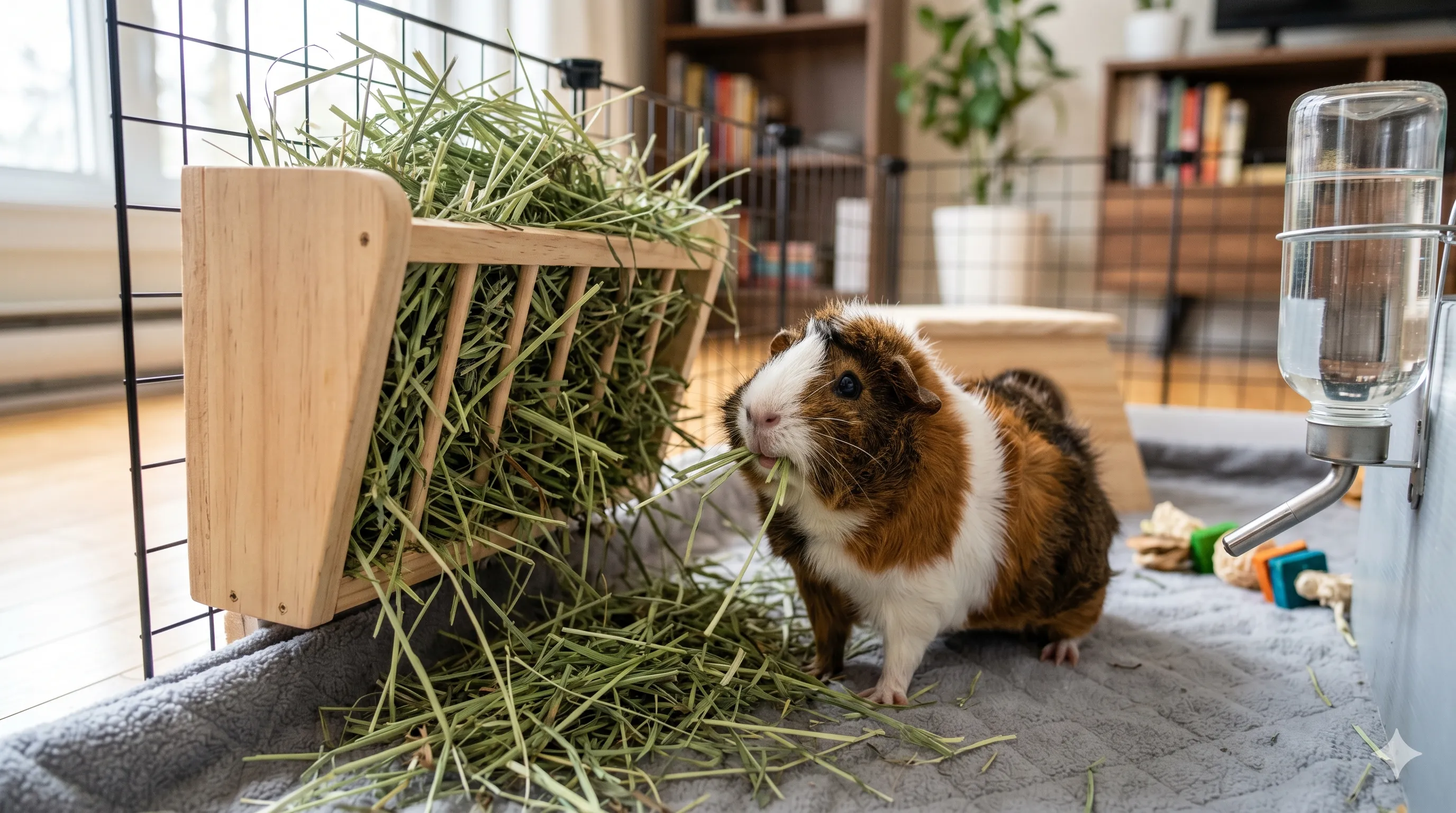
Can Guinea Pigs Eat Cucumbers? Hydration Benefits Explained
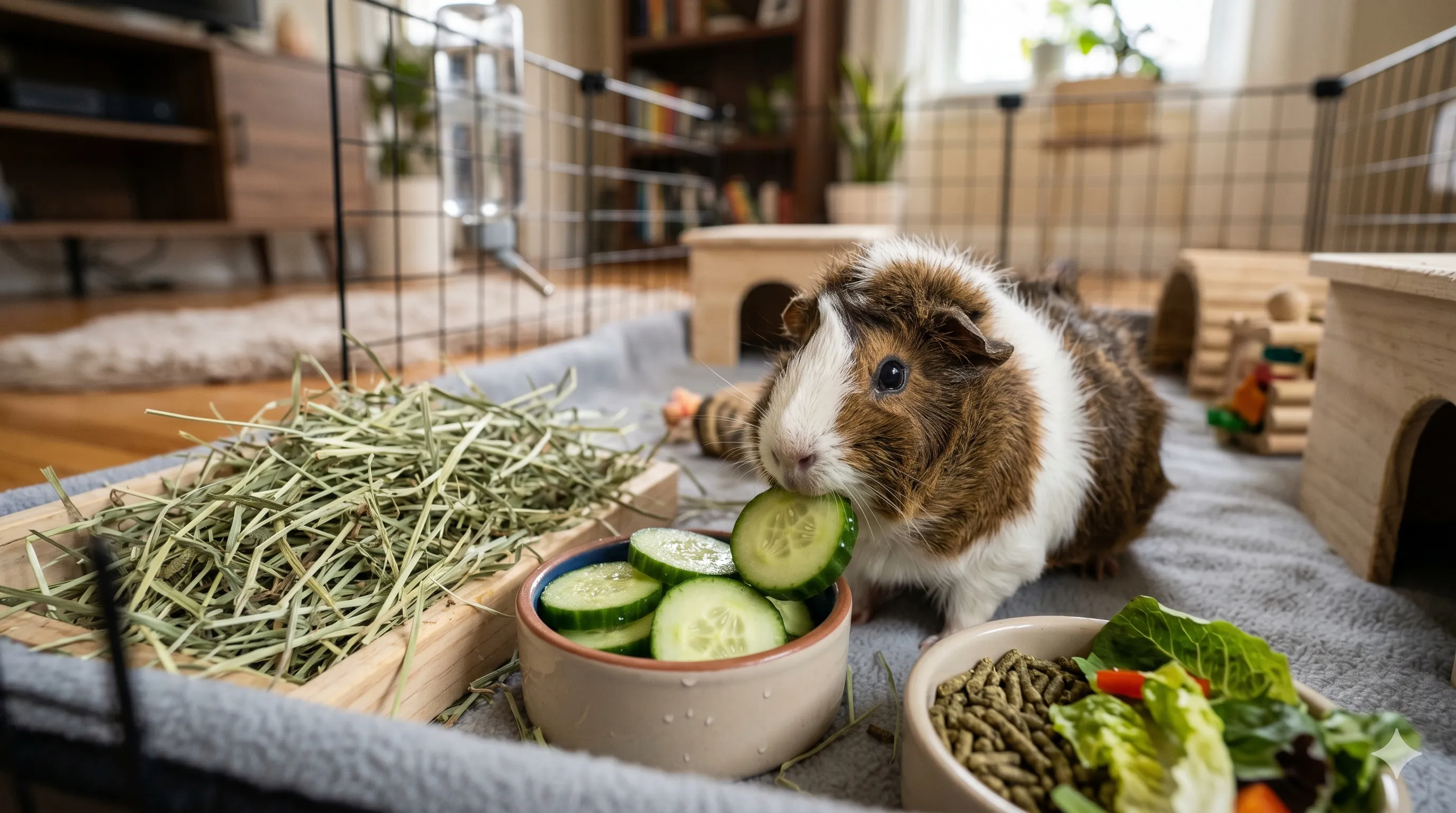
- Can Guinea Pigs Eat Cucumbers? (Quick Answer)
- Are Cucumbers Safe for Guinea Pigs?
- Nutritional Benefits of Cucumbers for Guinea Pigs
- Excellent Hydration Support
- Low Sugar Content
- Low-Calorie Vegetable
- Provides Small Amounts of Vitamin C
- Dietary Variety and Enrichment
- Can Guinea Pigs Eat Cucumber Skin?
- Can Guinea Pigs Eat Cucumber Seeds?
- How Much Cucumber Can Guinea Pigs Eat?
- How Often Can Guinea Pigs Eat Cucumbers?
- What Happens if a Guinea Pig Eats Too Much Cucumber?
- Can Baby Guinea Pigs Eat Cucumbers?
- Best Vegetables to Feed Alongside Cucumbers
- What Should Guinea Pigs Eat Every Day?
- Signs Your Guinea Pig Enjoys Cucumbers
- How to Introduce Cucumbers Safely
- Start Small
- Monitor Digestion
- Serve Fresh Raw Cucumber
- Maintain Dietary Variety
- Common Myths About Cucumbers for Guinea Pigs
- Myth: Cucumbers Can Replace Water
- Myth: More Cucumber Means Better Hydration
- Myth: Cucumber Skin Is Dangerous
- Myth: Guinea Pigs Can Live Mainly on Vegetables
- Final Thoughts
Note: This article is for informational purposes only and does not replace professional veterinary advice.
Many guinea pig owners look for healthy vegetables that provide hydration, variety, and enrichment without adding excessive sugar to their pet's diet. One vegetable that frequently appears on feeding lists is cucumber. This often leads owners to ask: can guinea pigs eat cucumbers?
The good news is that cucumbers are generally considered safe for guinea pigs and can be a refreshing addition to a balanced diet. Their high water content, mild flavor, and crunchy texture make them appealing to many guinea pigs, especially during warmer weather.
However, like any food outside of hay and water, cucumbers should be offered in appropriate portions. Feeding too much cucumber can lead to digestive issues, while relying on cucumbers as a major food source can create nutritional imbalances.
In this complete feeding guide, you'll learn whether cucumbers are healthy for guinea pigs, the benefits and risks, serving sizes, whether the skin and seeds are safe, and how to include cucumbers in a healthy long-term feeding routine.
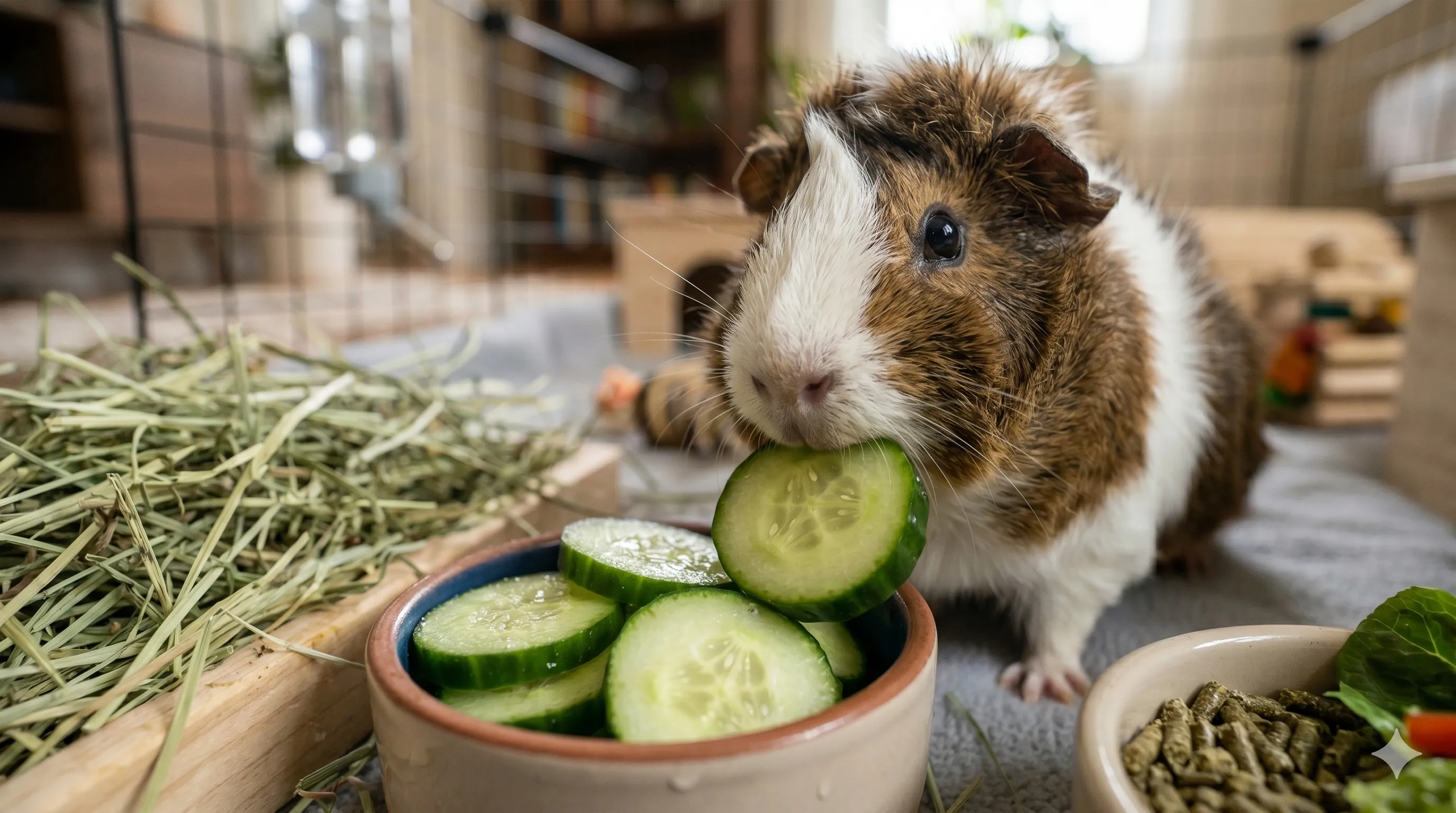
Can Guinea Pigs Eat Cucumbers? (Quick Answer)
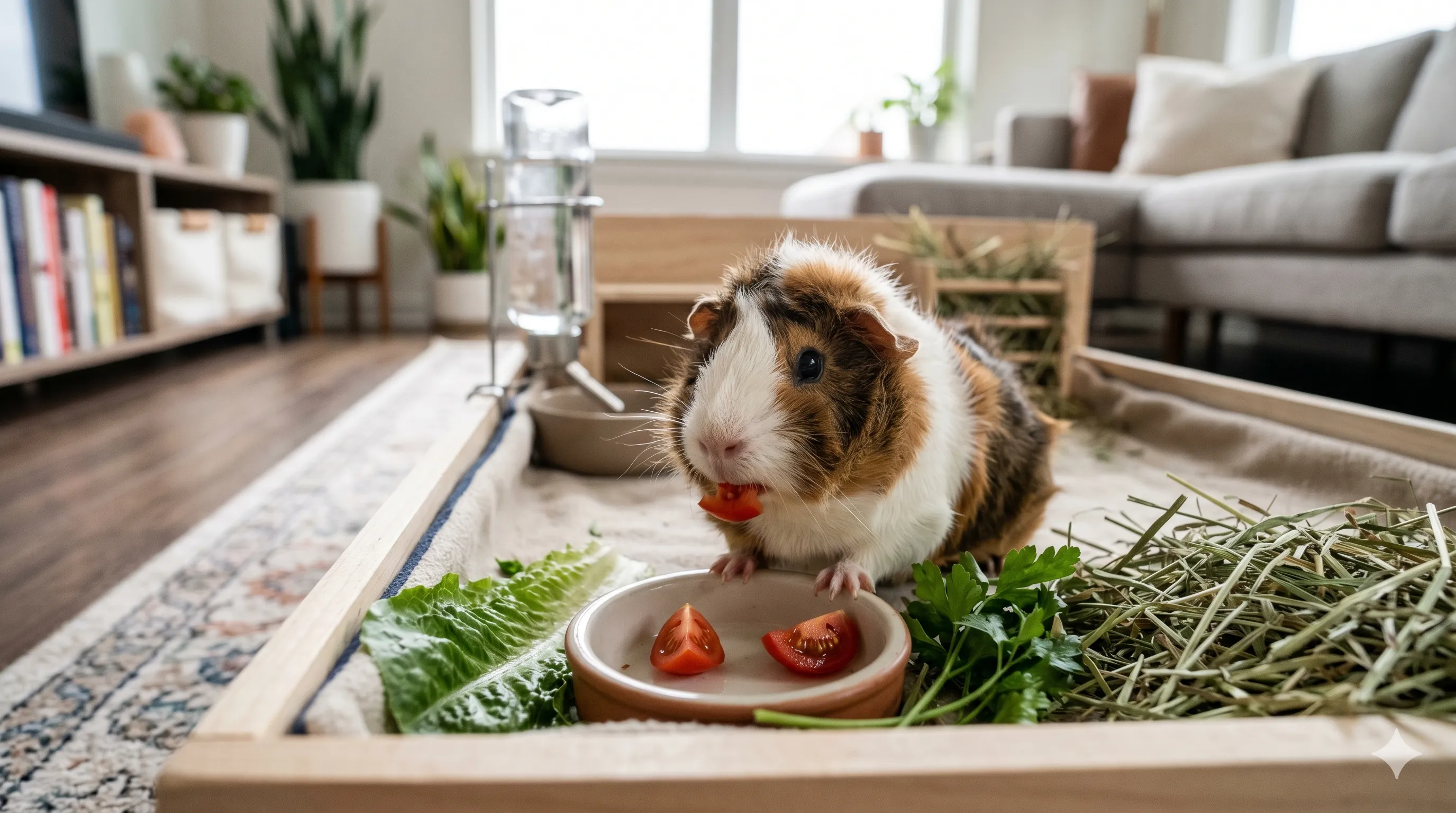
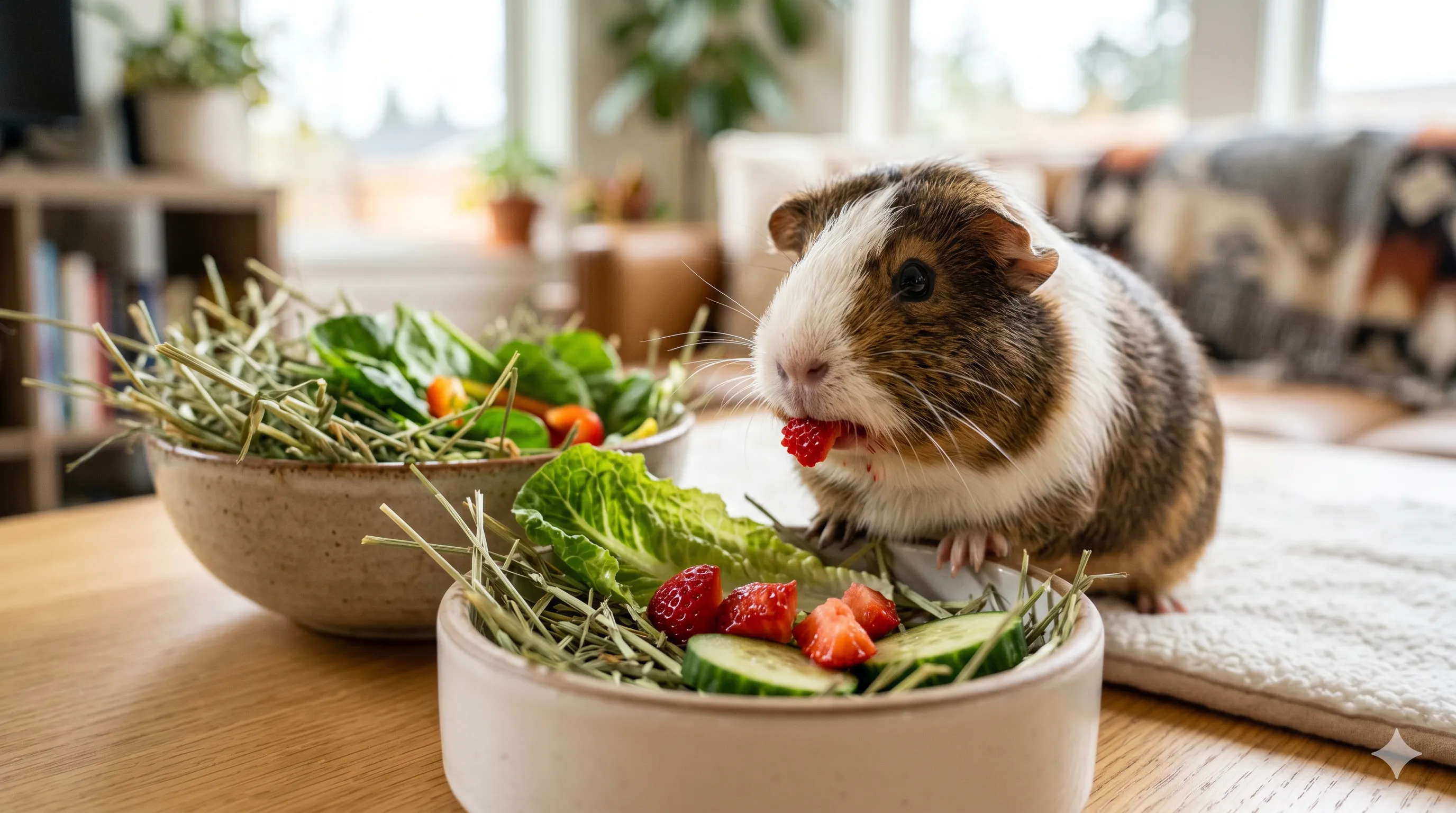
Yes, guinea pigs can safely eat cucumbers in moderation. Cucumbers are low in calories, low in sugar, and contain a high amount of water that may help support hydration. Most guinea pigs can enjoy small cucumber portions several times per week as part of a varied vegetable rotation.
However, too much cucumber may contribute to soft stools or digestive upset because of its high moisture content.
Are Cucumbers Safe for Guinea Pigs?
Cucumbers are generally considered one of the safer vegetables for guinea pigs when fed properly.
They are:
- Low in sugar
- Low in calories
- High in water content
- Easy to chew
- Suitable for regular vegetable rotation
Because cucumbers are relatively mild, they are often well tolerated by guinea pigs that have sensitive digestive systems.
That said, even healthy vegetables should be introduced gradually and fed in moderation.
Nutritional Benefits of Cucumbers for Guinea Pigs
Excellent Hydration Support
The biggest benefit of cucumbers is their water content.
Cucumbers are made up of approximately 95% water, making them one of the most hydrating vegetables available.
This can be especially useful during:
- Summer months
- Warm indoor conditions
- Periods of increased thirst
- Hot weather environments
While cucumbers should never replace drinking water, they can help supplement overall hydration.

Low Sugar Content
Unlike fruits such as apples and strawberries, cucumbers contain very little natural sugar.
This makes them a healthier option for regular feeding.
If you're comparing different snacks, you may also find useful information in complete guinea pig care guide.
Low-Calorie Vegetable
Cucumbers are naturally low in calories, making them a good choice for guinea pigs that need variety without consuming excess energy.
Because obesity can contribute to long-term health issues, lower-calorie vegetables often make excellent additions to a balanced diet.
Provides Small Amounts of Vitamin C
Guinea pigs cannot produce vitamin C naturally and must obtain it through their diet.
Cucumbers do contain some vitamin C, although they are not among the richest sources.
Vegetables such as bell peppers typically provide significantly more vitamin C than cucumbers.
For overall nutrition planning, celery feeding guide for guinea pigs can help owners better understand dietary requirements.
Dietary Variety and Enrichment
Offering different vegetables helps prevent boredom and encourages natural foraging behaviors.
The crisp texture of cucumber provides:
- Mental stimulation
- Environmental enrichment
- Dietary variety
- Natural chewing activity
Can Guinea Pigs Eat Cucumber Skin?
Yes, guinea pigs can generally eat cucumber skin.
In fact, the skin contains additional fiber and nutrients that can contribute to the vegetable's overall value.
Before feeding cucumber skin:
- Wash thoroughly
- Remove dirt and debris
- Reduce potential pesticide residue
Whenever possible, many owners prefer organically grown cucumbers, although properly washed conventional cucumbers are usually acceptable.
Can Guinea Pigs Eat Cucumber Seeds?
Yes, cucumber seeds are generally safe.
Unlike certain fruit seeds, cucumber seeds do not contain harmful compounds that pose significant toxicity concerns.
The soft seeds found inside standard cucumbers are typically easy for guinea pigs to chew and digest.
There is generally no need to remove them before feeding.
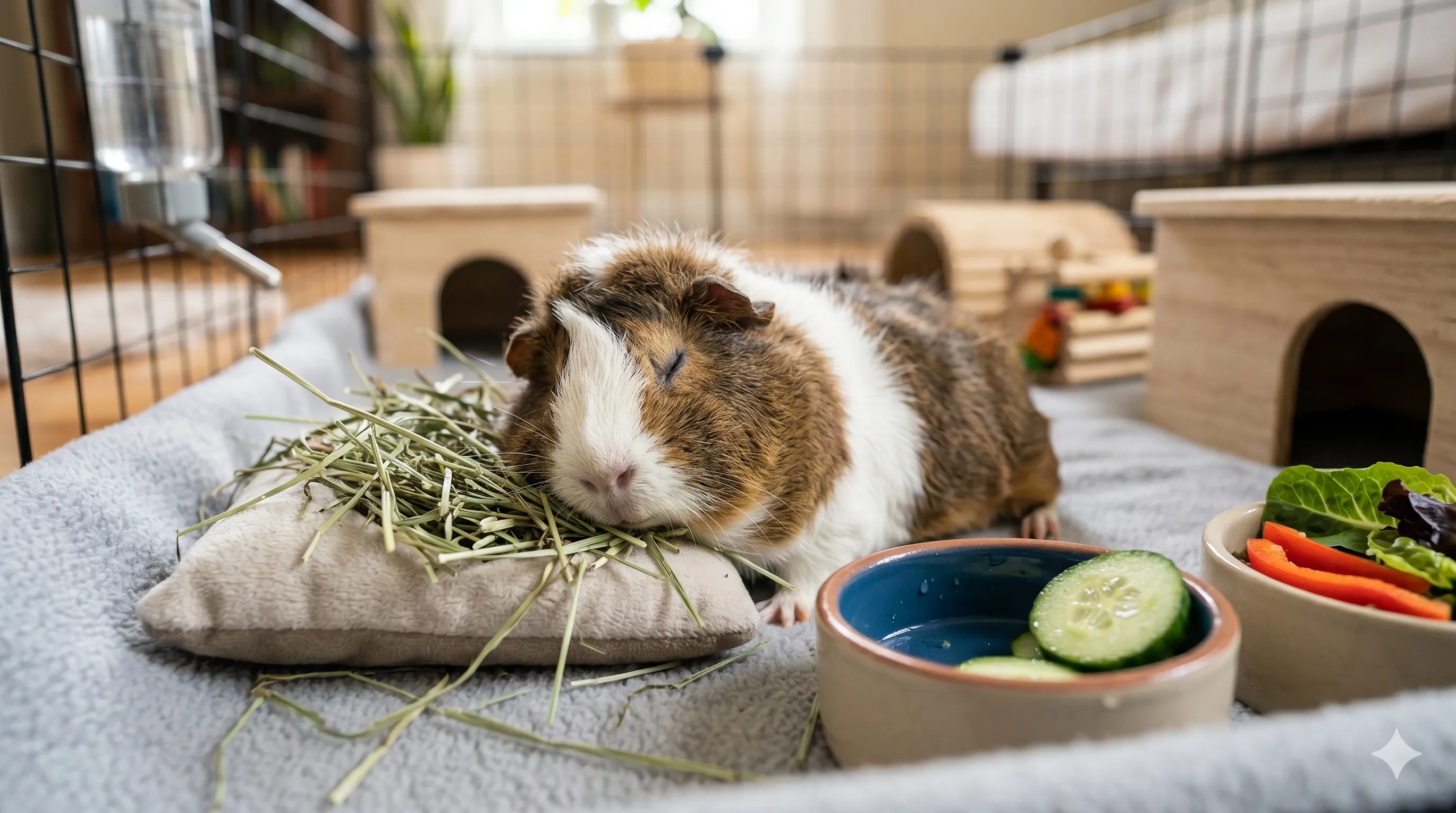
How Much Cucumber Can Guinea Pigs Eat?
Even healthy foods require portion control.
A typical serving size may include:
- One or two cucumber slices
- Several small chunks
- A handful of bite-sized pieces
The exact amount depends on:
- Body size
- Age
- Overall diet
- Individual digestive sensitivity
Offering moderate portions helps maximize benefits while minimizing digestive issues.
How Often Can Guinea Pigs Eat Cucumbers?
Most healthy guinea pigs can safely eat cucumber several times per week.
A common feeding schedule includes:
- Two to four times weekly
- Part of a mixed vegetable serving
- Rotated alongside other vegetables
Providing variety is generally healthier than feeding the same vegetable every day.
can guinea pigs eat apples safelyWhat Happens if a Guinea Pig Eats Too Much Cucumber?
Although cucumber is considered safe, excessive amounts may create problems.
The high water content can sometimes contribute to:
- Soft stools
- Loose droppings
- Mild digestive upset
- Reduced hay consumption
These issues usually occur when cucumbers are fed too frequently or in very large portions.
Moderation remains important.
Can Baby Guinea Pigs Eat Cucumbers?
Young guinea pigs can usually eat small amounts of cucumber once they are established on a healthy diet.
However, growing guinea pigs should primarily focus on:
- Unlimited hay
- Quality pellets
- Fresh water
- Appropriate vegetables
Any new food should be introduced gradually so owners can monitor digestion and appetite.
Best Vegetables to Feed Alongside Cucumbers
Cucumbers work best as part of a diverse vegetable rotation.
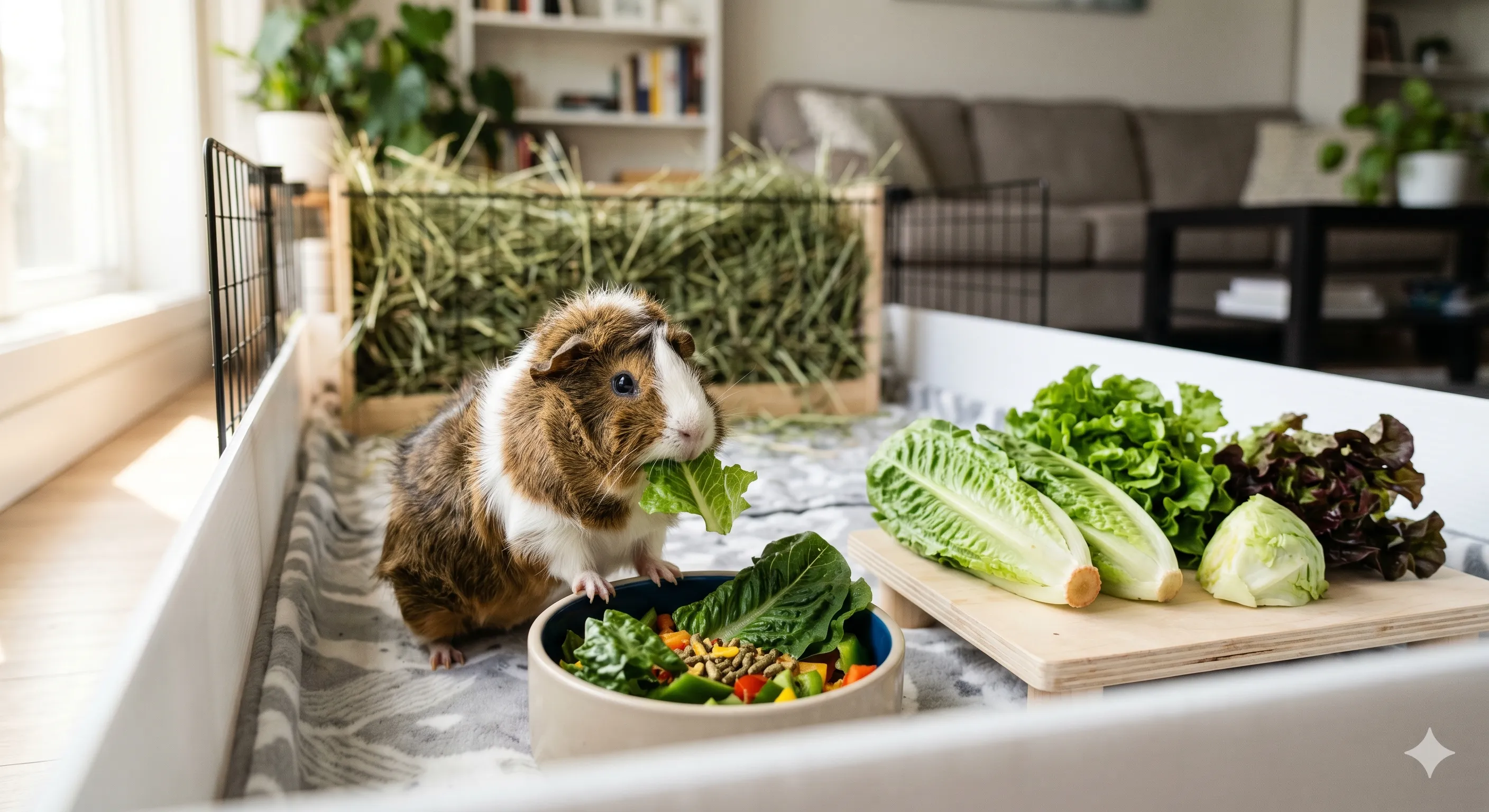
Good companion vegetables include:
- Bell peppers
- Romaine lettuce
- Cilantro
- Zucchini
- Celery
- Small carrot portions
Variety helps provide a wider range of nutrients and encourages healthy eating habits.
Many owners also rotate foods discussed in can guinea pigs eat carrots every day and daily hay requirements for guinea pigs.
What Should Guinea Pigs Eat Every Day?
It's easy to focus on treats and vegetables while overlooking the most important dietary component.
A healthy guinea pig diet should primarily consist of:
- Unlimited grass hay
- Fresh clean water
- Quality guinea pig pellets
- Fresh vegetables
Hay remains the foundation of digestive health and proper dental wear.
For detailed guidance, see best lettuce varieties for guinea pigs.
Signs Your Guinea Pig Enjoys Cucumbers
Many guinea pigs quickly show enthusiasm when cucumber is offered.
Common signs include:
- Immediate interest
- Excited squeaking
- Quick consumption
- Returning for more
Of course, individual preferences vary. Some guinea pigs may prefer lettuce, peppers, or other vegetables instead.
How to Introduce Cucumbers Safely
Start Small
Offer only a small piece the first time.
Monitor Digestion
Watch for:
- Soft stools
- Bloating
- Appetite changes
- Digestive discomfort
Serve Fresh Raw Cucumber
Avoid:
- Pickles
- Seasoned cucumber dishes
- Processed foods
- Sugary products
Fresh raw cucumber is the safest choice.
Maintain Dietary Variety
Even healthy vegetables should be rotated regularly.
Balanced nutrition comes from variety rather than relying heavily on a single food source.
Common Myths About Cucumbers for Guinea Pigs
Myth: Cucumbers Can Replace Water
While hydrating, cucumbers should never replace access to fresh drinking water.
Myth: More Cucumber Means Better Hydration
Excessive cucumber can cause digestive issues rather than improve health.
Myth: Cucumber Skin Is Dangerous
Properly washed cucumber skin is generally safe for healthy guinea pigs.
Myth: Guinea Pigs Can Live Mainly on Vegetables
Hay remains the most important food in a guinea pig's diet.
Final Thoughts
Guinea pigs can safely enjoy cucumbers as a refreshing, low-calorie, low-sugar vegetable. Their high water content makes them especially appealing during warm weather, while their crunchy texture provides enrichment and dietary variety.
Both cucumber flesh and skin are generally safe when washed properly, and the soft seeds usually do not need to be removed.
As with all vegetables, moderation is important. Cucumbers should complement a diet built around unlimited hay, fresh water, quality pellets, and a variety of nutritious vegetables.
When fed responsibly, cucumbers can be a healthy and enjoyable addition to your guinea pig's feeding routine.
This article is intended for educational purposes only and should not replace professional veterinary advice. Consult a qualified exotic animal veterinarian if your guinea pig develops digestive issues, appetite loss, or unusual symptoms following dietary changes.
Medical Disclaimer
This content is provided for informational and educational purposes only and should not be considered veterinary, medical, behavioral, or training advice. While we strive for accuracy, we make no guarantees regarding completeness or results. Always consult a licensed veterinarian or qualified pet care professional before making decisions about your pet’s health, diet, or behavior.
AI Illustration Notice
Some images in this article may have been generated or enhanced using artificial intelligence for illustrative purposes.
Frequently Asked Questions
Yes, guinea pigs can safely eat cucumbers in moderate portions as part of a balanced diet.
Yes, cucumbers provide hydration low calories dietary variety and small amounts of beneficial nutrients.
Yes, cucumber skin is generally safe when washed thoroughly before feeding.
Yes, soft cucumber seeds are generally safe and do not need to be removed.
Most guinea pigs can safely eat one or two cucumber slices or several small chunks a few times per week.
Yes, excessive cucumber may contribute to soft stools or digestive upset because of its high water content.
Yes, baby guinea pigs can eat small amounts of cucumber once they are established on a healthy diet.
Guinea pigs should primarily eat unlimited hay fresh water quality pellets and a variety of fresh vegetables.
Editorial Note
This article is part of PetNurture's educational library.
Topics draw on publicly available educational resources, recognised veterinary organisations, academic publications and established animal welfare references where appropriate.
The specific sources this article draws on are listed in its References section. If you spot an error, please let us know.
References
The information in this article has been reviewed and supported using the following sources.
RSPCA
RSPCA guidance lists cucumber among the fresh vegetables that can be offered daily as a vitamin C source.
Accessed Aug 6, 2026
PetMD
PetMD notes cucumber may cause excessive gas and bloating in some guinea pigs if fed in excess, so it should not be a primary food.
Accessed Aug 6, 2026
Pet Emergency Guidance
Every pet is unique. If your pet exhibits severe symptoms, sudden behavioral changes, or a medical emergency, do not rely on online guides — contact a licensed veterinarian or emergency clinic immediately.
About PetNurture
PetNurture is an educational library of pet care guides, interactive tools and practical resources for pet parents. We work continuously to keep our content accurate and up to date. Reader feedback helps us maintain content quality.
Related Articles
Popular Guinea Pig Guides


Guinea Pig
Guinea Pig Feeding Calculator
Calculate daily food portions for your guinea pig by weight.